November 2026: Chile's Ministry of Defence is preparing a new document that will incorporate transnational organised crime, mass irregular migration, and climate change into its strategic environment analysis. The Ministry, under the leadership of Minister Fernando Barros, has been working since July on updating the National Defence Policy , a document that has not been revised since the version published in 2021, during Sebastián Pinera’s second term.
One of the new elements included in the draft text is the explicit incorporation of transnational organised crime as part of the analysis of the country's strategic environment, alongside mass irregular migration and the effects of climate change. The formal launch of the project took place on July 27 at the National Academy of Political and Strategic Studies (ANEPE). The process comprises six stages, three of which have already been completed, and is projected to conclude in December so that it can be submitted to President José Antonio Kast before being sent to the Comptroller General's Office for review.
Álvarez pointed out that the objectives maintain continuity with previous documents, such as the 2017 National Defence Book and the 2020 Defence Policy, and seek to clarify the Kast administration's position regarding global and regional security, and above all, state sovereignty. As he explained to media reporters: "Currently, at the global and regional levels, security challenges persist, such as transnational organised crime, the effects of migration, and the consequences of climate change, which justify the need to incorporate them into the definition of the strategic environment".
The undersecretary himself specified that organised crime already appeared as a potential threat in the assessment of the environment of the 2020 Defence Policy, and that the main responsibility continues to lie with the competent authorities and the police, including the Maritime Police of the Navy.
The Defence sector, it was clarified, provides support in specific and limited areas: border control, technical, logistical, and transportation support, transfer of residual information, airspace surveillance, and airport security. This distinction is relevant because the new policy does not imply direct intervention by the Armed Forces in public security, although it does require them to consider scenarios in which they can contribute with specific capabilities. It has been envisaged that the text will eliminate the gender perspective as an objective of the Armed Forces, an element that was included in the proposal prepared by Gabriel Boric's administration.
That 2025 update, approved in November of that year and sent to the Comptroller General's Office, was withdrawn in March 2026 by Minister Barros himself upon the new government taking office. The decree was never published. The Kast administration opted for a more in-depth review of the content, particularly the identification of threats, the relationship between defence and internal security, and international positioning, in line with the priority it has given to the Agenda against Organised Crime and Terrorism (ACOT) and the Border Shield Plan.
In parallel, a cross-party group of 27 senators submitted a draft agreement in early November to formally request the updating of the Military and Defence Policy, emphasising modernisation of deterrent capabilities, cybersecurity, protection of strategic interests (Antarctica, Strait of Magellan, maritime projection) and long-term planning.
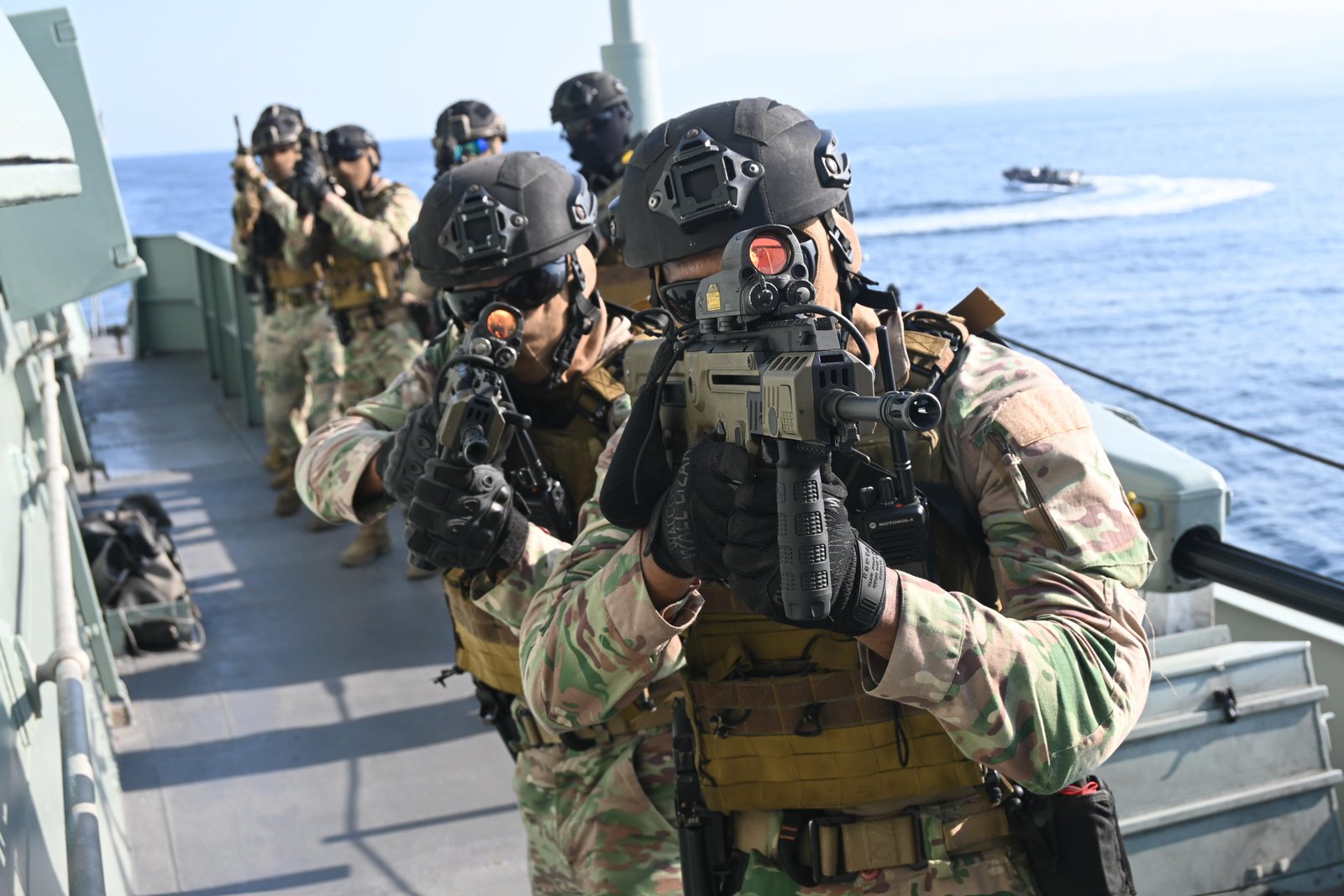
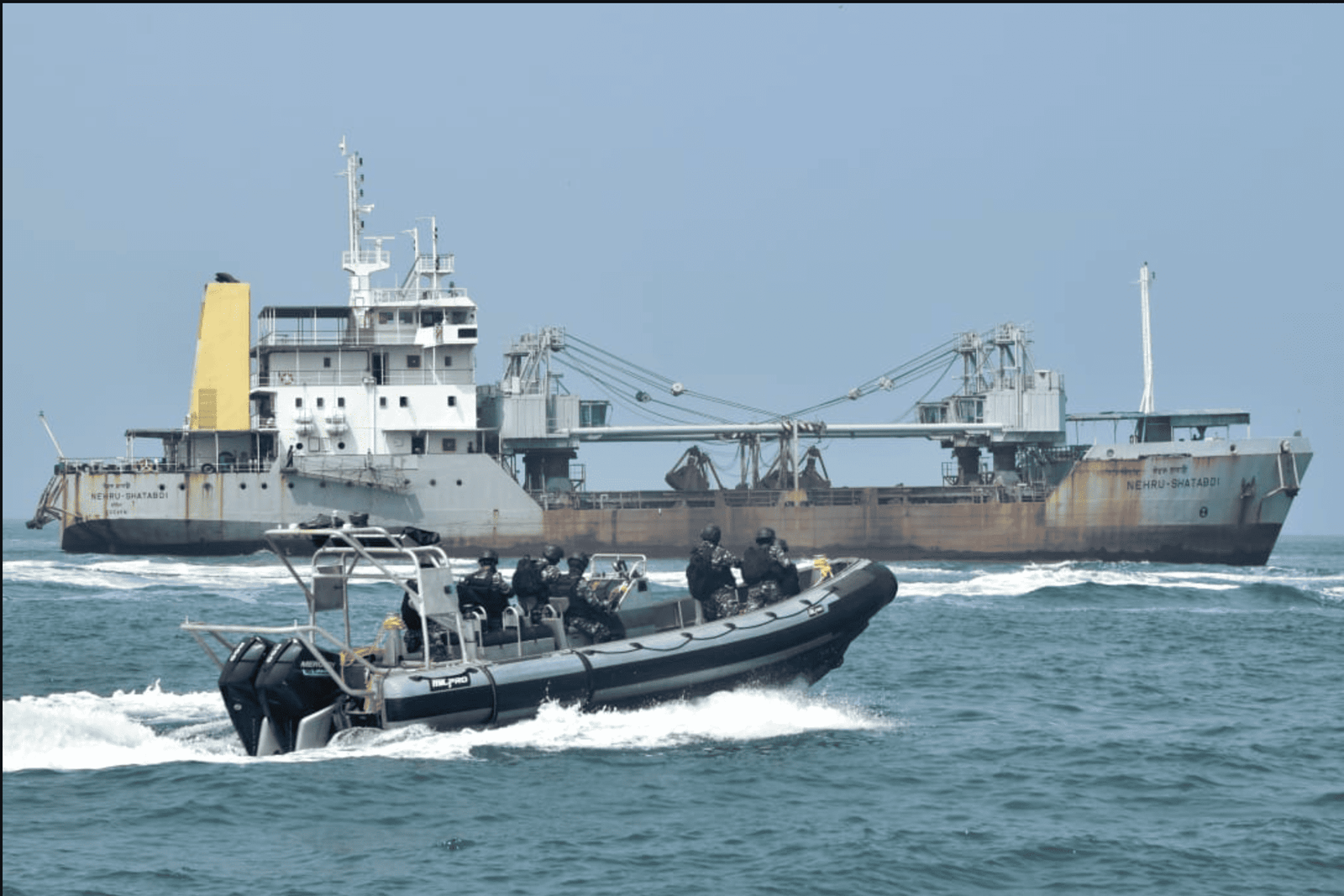
On the ground, Minister Barros himself has emphasised the contribution of military capabilities to combating these threats during recent visits. On November 03rd, Minister Barros have toured DIRECTEMAR facilities in Valparaíso and observed a demonstration by the Maritime Police's Immediate Response Group focused on drug interdiction. Barros highlighted the evolution of the unit's equipment and training, noting that "the demands of the fight against crime require better equipment and improved training for our contingent". The Ministry of Defence also reported on a working meeting held on November 10 between Barros and the Minister of Public Security, Martín Arrau, to strengthen coordination between the two ministries.
The public security context shows some quantitative progress. According to the updated report as of November 1, 2026, by the Undersecretariat of Public Security, homicide victims fell by 16.9% (from 922 to 766 compared to the same period in 2025), and drug seizures exceeded 116 tons. However, the government maintains that organised crime remains a structural threat requiring coordinated responses at the state level, without diminishing the Armed Forces' primary mission: to develop and maintain a deterrent force capable of guaranteeing Chile's sovereignty, independence, and territorial integrity. As Álvarez emphasised, Defence Policy must retain its character as a State policy, with continuity, updates, long-term planning, and sustained investment.
The final document should reflect both the continuity of the country's permanent interests (island territories, Antarctica, and the right to self-defence against military threats) and adaptation to an international landscape marked by persistent conflicts, geopolitical competition, technological development, and artificial intelligence. Its publication, scheduled after its delivery to Kast and review by the Comptroller General's Office, will establish the strategic framework within which the Armed Forces will operate in the coming years.
Team Maverick.