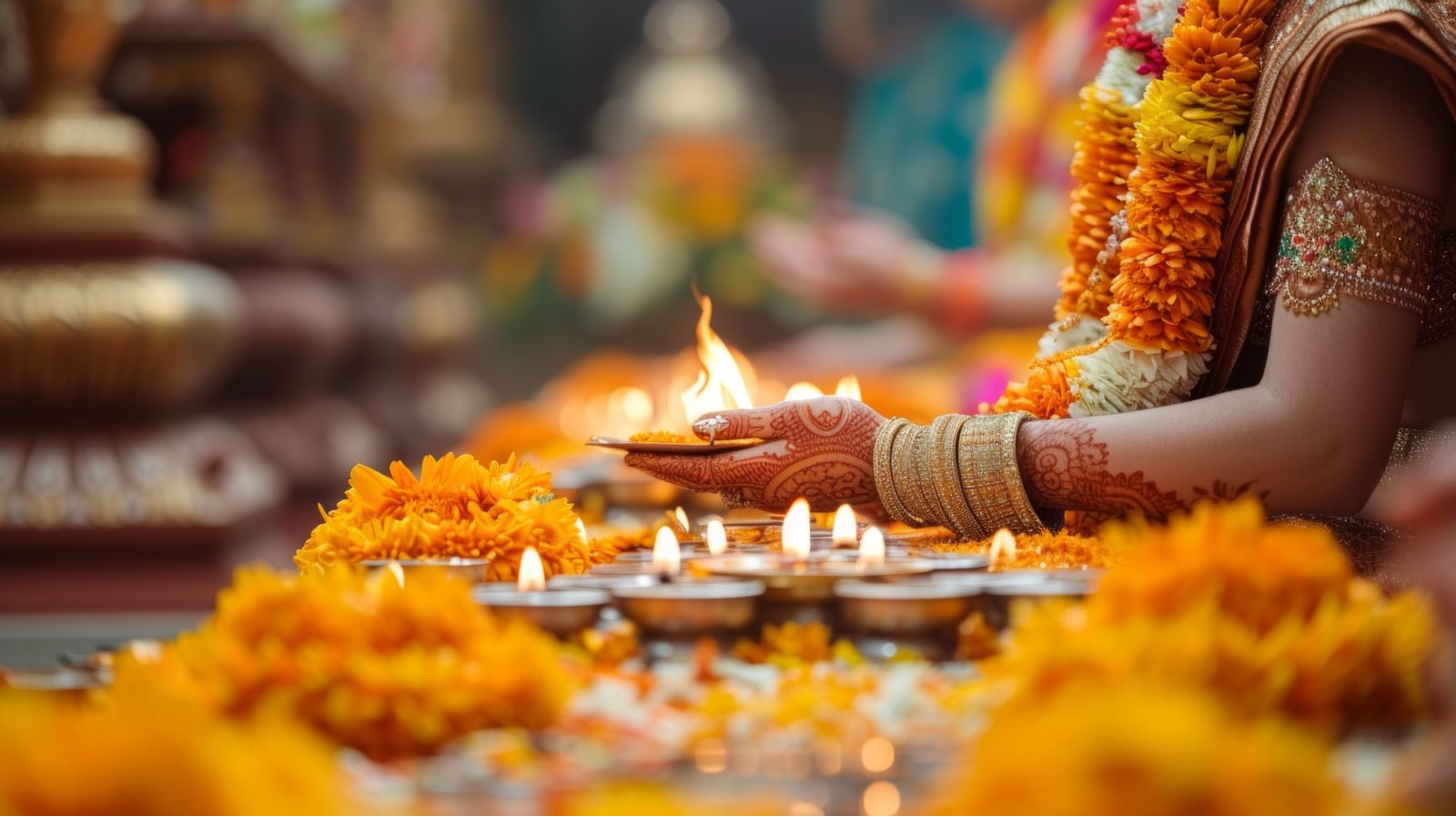
New Delhi, Nov 2026 : Diwali, the festival of lights, will be celebrated across India on Sunday, November 8, 2026. Considered one of the most auspicious festivals in Hindu tradition, Diwali symbolises wealth, prosperity, happiness and the victory of light over darkness. On this occasion, homes and commercial establishments are decorated with lamps, colourful rangolis and lights, while devotees worship Goddess Lakshmi and Lord Ganesha for peace, prosperity and good fortune.
Lakshmi Puja is among the most important rituals of the festival. According to Hindu religious beliefs, worshipping Goddess Lakshmi with traditional rituals on Diwali night brings happiness, prosperity and positive energy into the household. Devotees therefore look for the auspicious time, or Shubh Muhurat, to perform the puja.
The Diwali 2026 puja timings have been reported in the name of astrologer Pandit Prem Kumar Sharma. However, the exact timings attributed to him have not been independently verified. According to the Panchang, performing Lakshmi-Ganesha Puja during the Pradosh Kaal and Vrishabha Lagna on November 8 is considered auspicious.
Diwali 2026 Lakshmi Puja Muhurat
The following timings have been indicated for Lakshmi Puja on Sunday, November 8:
| City | Lakshmi Puja Muhurat |
|---|---|
| New Delhi | 5:54 pm to 7:50 pm |
| Raipur | 5:49 pm to 7:48 pm |
According to the Hindu calendar, Kartik Amavasya will begin at approximately 11:27 am on November 8 and continue until around 12:31 pm on November 9. Since Amavasya will prevail during the Pradosh period on the evening of November 8, the main Diwali Lakshmi Puja will be performed on that day.
Devotees are advised to check the local Panchang for their respective cities, as auspicious timings may vary by a few minutes depending on geographical location.
Why Is Lakshmi Puja Performed During Pradosh Kaal?
Pradosh Kaal refers to the period around sunset and the early hours after sunset. Hindu religious traditions consider this period particularly auspicious for worshipping deities.
On Diwali, Lakshmi-Ganesha Puja is traditionally performed during Pradosh Kaal. Astrological beliefs attach additional significance to the presence of a Sthir Lagna, or fixed ascendant, during this period. Vrishabha Lagna, or Taurus ascendant, is considered a fixed sign.
According to traditional beliefs, worshipping Goddess Lakshmi during Vrishabha Lagna is associated with stability, happiness and lasting prosperity in the family. These are religious and astrological beliefs, and their claimed outcomes have not been scientifically established.
In Raipur, Pradosh Kaal on November 8 is expected to begin at 5:24 pm and continue until 7:57 pm. The Vrishabha Lagna period will fall between 5:49 pm and 7:48 pm. This period has therefore been identified as particularly suitable for Lakshmi-Ganesha Puja in the city.
Essential Items Required for Diwali Lakshmi Puja
Devotees generally prepare the puja materials in advance to ensure that the rituals can be performed without interruption. The first step is to clean the worship area and arrange all the necessary items.
The commonly used puja samagri includes:
Idols or pictures of Goddess Lakshmi and Lord Ganesha
A kalash (ritual pot)
Roli, akshat (uncooked rice), turmeric and kumkum
Fresh flowers and garlands
Oil or ghee lamps and cotton wicks
Dhoop and incense sticks
Sweets and fruits for offering
Coconut, betel leaves and betel nuts
A lotus flower, cowrie shells and silver coins, according to family tradition
The lotus flower, cowrie shells and silver coins hold special significance in some traditional forms of Lakshmi worship. However, having every item is not compulsory. Devotees can perform the puja according to their family customs, personal faith and available resources.
How to Perform Lakshmi Puja at Home
Preparations for Diwali generally begin early in the day with the cleaning and decoration of homes. The main entrance is often decorated with rangoli, flowers and lamps, creating a festive atmosphere.
In the evening, devotees should prepare the puja area before the auspicious time. A clean wooden platform or chowki can be covered with a red or yellow cloth, on which the idols or pictures of Goddess Lakshmi and Lord Ganesha are placed. A kalash is then installed, and lamps are lit.
The worship traditionally begins with Lord Ganesha, who is invoked for the removal of obstacles and the successful completion of the rituals. Devotees subsequently worship Goddess Lakshmi by offering roli, akshat, flowers and other puja materials.
Lakshmi mantras may be recited during the worship, followed by prayers for the family's health, happiness and prosperity. Sweets and fruits are offered as bhog to the deities. The rituals conclude with the Lakshmi-Ganesha aarti.
In several households, Lord Kuber, regarded in Hindu tradition as the deity associated with wealth, is also worshipped on Diwali. Some families additionally perform rituals involving their business accounts, ledgers and financial records.
After the puja, lamps are placed at the main entrance, in courtyards and at other suitable locations around the house. Devotees should ensure that lamps are placed on stable, fire-resistant surfaces and away from curtains, paper and other combustible materials.
Religious Significance of Lighting Diyas on Diwali
Diwali is widely celebrated as the festival symbolising the victory of light over darkness and good over evil. According to the popular Hindu tradition associated with the Ramayana, people of Ayodhya illuminated their homes with earthen lamps to celebrate the return of Lord Rama, Goddess Sita and Lakshmana after 14 years of exile.
This tradition is closely associated with the celebration of Deepawali, when people light diyas to symbolise hope, positivity and the removal of darkness.
Homes, shops, offices and commercial establishments are decorated with traditional lamps and electric lights. For business communities, Diwali also marks an important occasion for Lakshmi Puja and the worship of account books and business records. Many traders consider the festival an auspicious time to pray for financial stability and success in the coming year.
Important Precautions During Lakshmi Puja
Cleanliness and a peaceful atmosphere are traditionally considered important during Diwali worship. Devotees should keep the puja area organised and avoid placing unnecessary objects around the idols.
While lighting diyas, adequate precautions should be taken to prevent accidental fires. Lamps should be kept away from flammable materials, and children should be supervised and kept at a safe distance from open flames. Candles and diyas should not be left unattended.
Families can also use the occasion to come together for prayers and celebrations. Diwali is traditionally associated with sharing sweets, exchanging greetings, resolving differences and strengthening relationships.
As Diwali 2026 falls on Sunday, November 8, devotees can perform Lakshmi-Ganesha Puja according to their local Panchang and family traditions. Since the auspicious timings differ slightly from one city to another, checking the local muhurat before beginning the rituals is advisable.
(Disclaimer :The content of this article is sourced from a news agency and has not been edited by the Mavericknews30 team.)