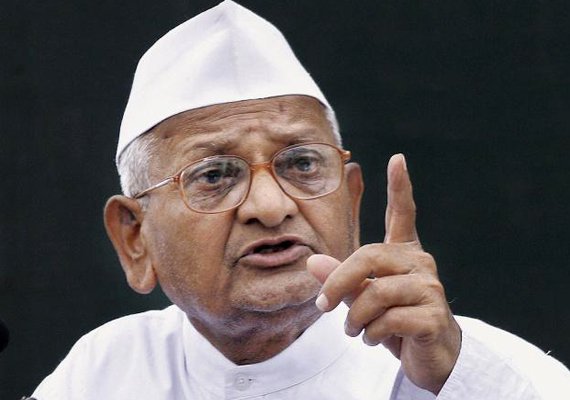
September 2026: Veteran social activist Anna Hazare was discharged from Bombay Hospital on Thursday, ten days after he was admitted following health complications linked to a urinary infection.
Speaking to reporters after his discharge, the 90-year-old social reformer said his health had improved and reiterated his commitment to serving society for the rest of his life.
“My health is good now. It had deteriorated a little, but I have recovered. I am 90 years old and want to live till 100,” Hazare said.
Reflecting on his decades of public service, Hazare said he intends to continue working for society. “Till the age of 90, I have served the people and the nation. I want to continue serving until I turn 100,” he said.
Hazare stressed that public service, when undertaken without self-interest, is akin to worship. “Worship does not happen only in temples. Serving people is also true worship of God,” he said.
He added that personal wealth has never been his priority. “I want to serve people as long as I am alive. I have dedicated my entire life to service. I am not concerned about my bank balance. Money and wealth are not my aim; serving people is what matters to me,” Hazare said.
Dr Gautam Bhansali, who treated Hazare at Bombay Hospital, said the activist had initially suffered from viral fever and loose motions and had been treated at a hospital in Shirur.
According to Dr Bhansali, severe dehydration and the viral illness subsequently led to urinary complications. Hazare's creatinine levels had risen significantly, resulting in a urine infection and requiring further treatment at Bombay Hospital.
Hazare's hospitalisation had triggered concern among his supporters and well-wishers across the country, many of whom prayed for his speedy recovery.
One of India's most prominent anti-corruption crusaders and social reformers, Hazare rose to national prominence for his work in transforming his native village, Ralegan Siddhi in Maharashtra, into a model of rural development. His initiatives included watershed development, afforestation, rural self-reliance and campaigns against addiction.