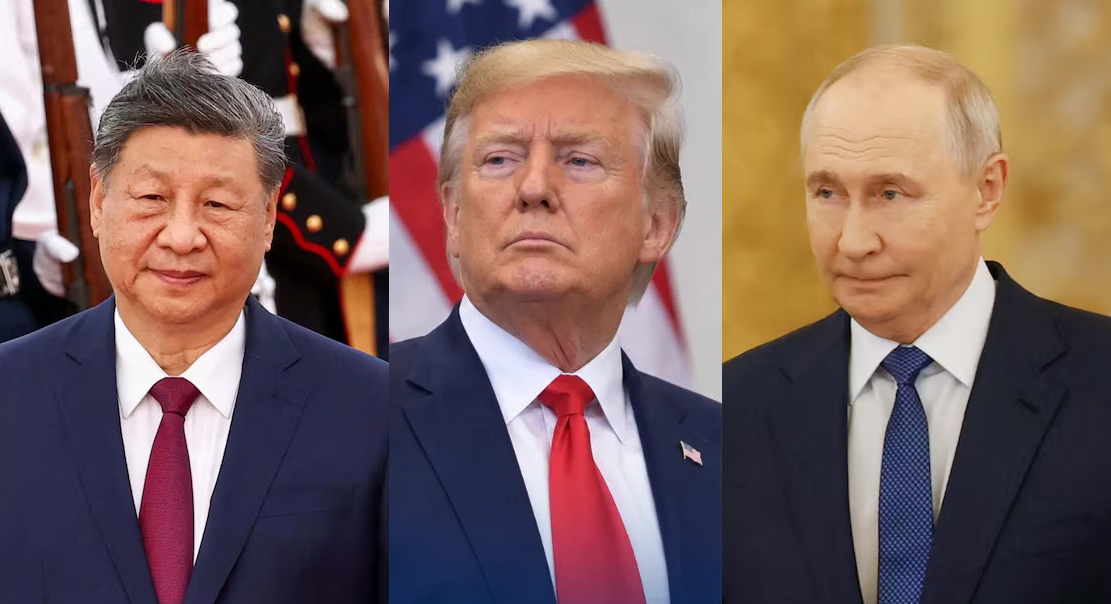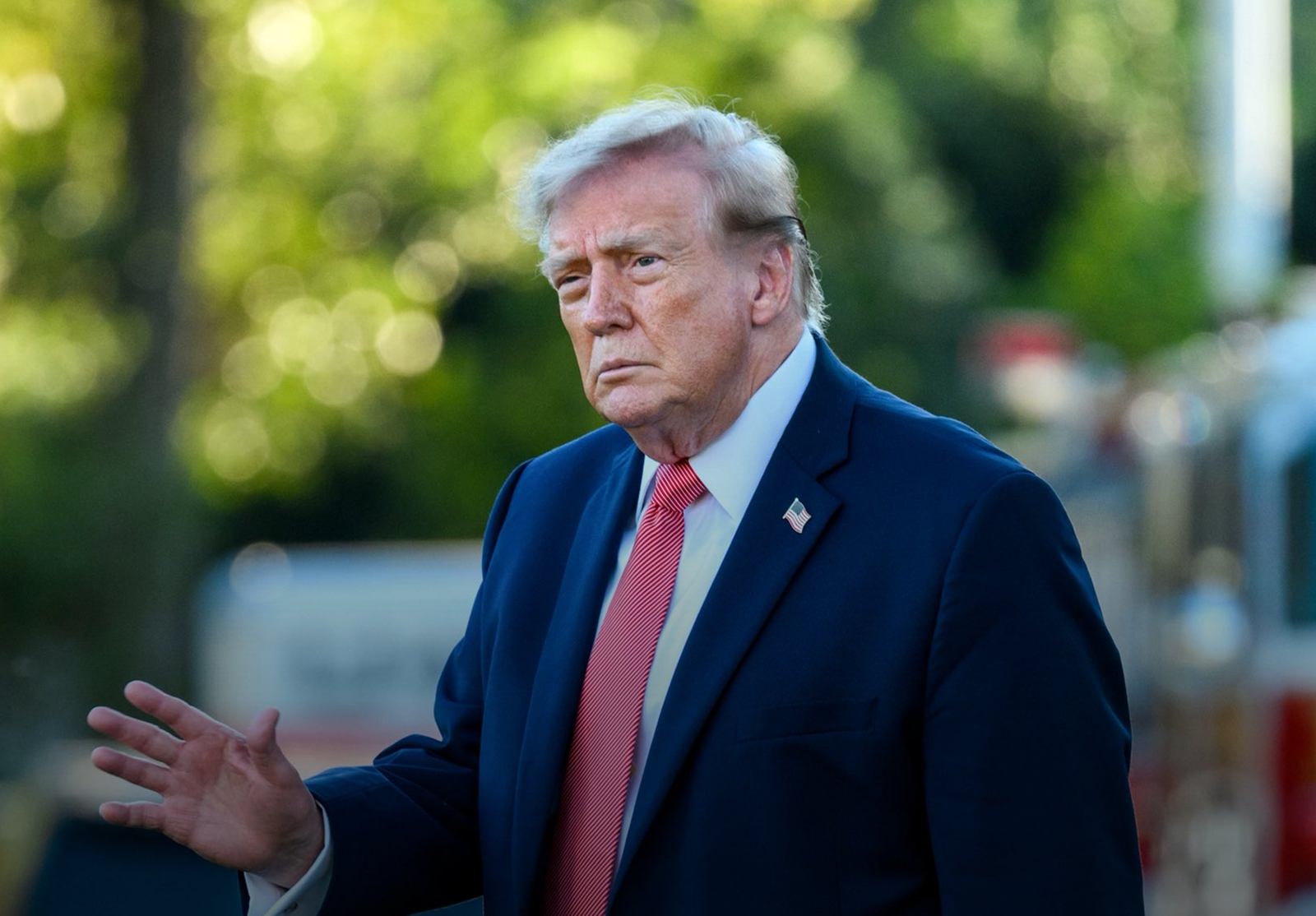
MANILA (Philippines), Nov 2026 : The escalating tensions in the South China Sea, the continuing civil conflict in Myanmar and the wars in the Middle East and Ukraine are expected to dominate discussions as Southeast Asian leaders gather in Manila for the annual summit of the Association of Southeast Asian Nations (ASEAN). US President Donald Trump is also expected to join the final round of meetings, highlighting the growing geopolitical significance of the regional gathering.
The three-day ASEAN summit, bringing together leaders from Southeast Asia and their counterparts from major Asian and Western powers, will begin on Sunday at a heavily guarded convention centre overlooking Manila Bay. The Philippines, which holds the bloc's rotating chairmanship this year, is hosting the meetings amid mounting regional and international security challenges.
However, expectations of major diplomatic breakthroughs remain low. Drafts of the post-summit communiques, seen by The Associated Press, indicate that discussions will largely focus on reaffirming commitments to peaceful conflict resolution, international law and regional stability.
The agenda includes maritime disputes in the South China Sea, Myanmar's prolonged political and humanitarian crisis, and the ongoing wars in the Middle East and Ukraine.
ASEAN to Reaffirm Commitment to Peace and International Law
ASEAN, a regional grouping of 11 countries with diverse political systems ranging from democracies to authoritarian governments, has maintained its unity since its establishment in 1967 largely through its longstanding policy of non-interference in the internal affairs of member states.
The bloc has traditionally prioritised consensus and diplomatic engagement, even when its members have differed sharply on regional security and political developments. However, its ability to address major conflicts, particularly Myanmar's civil war and tensions in the South China Sea, has frequently come under scrutiny.
In Manila, leaders and representatives of rival powers will once again share the negotiating table, although significant changes in the regional diplomatic landscape are not anticipated.
The draft communique states that ASEAN leaders and their Asian and Western partners will exchange views on regional and international issues of concern.
It also reaffirms their shared commitment to upholding international law, including the United Nations Charter, and stresses the importance of resolving disputes peacefully. The statement highlights freedom of navigation and overflight, as well as other lawful uses of the sea, including the right of transit passage through straits used for international navigation.
Trump to Join Key Meetings After Main ASEAN Summit
Trump is scheduled to arrive in Manila on Tuesday afternoon, accompanied by US Secretary of State Marco Rubio, after the principal ASEAN summit meetings have concluded. By then, the Philippines will have handed over the bloc's annual leadership to Singapore.
Despite arriving towards the end of the summit, Trump is expected to participate in three important engagements on Tuesday night, according to Philippine officials. These include a special summit with ASEAN leaders, an informal gathering over cocktails and a meeting of the Quadrilateral Security Dialogue, commonly known as the Quad.
The Quad brings together the United States, India, Japan and Australia and serves as a platform for cooperation on regional security and strategic issues in the Indo-Pacific.
China will be represented at the ASEAN meetings by Premier Li Qiang, who is scheduled to meet Southeast Asian leaders on Monday. However, he is expected to leave Manila before Trump's arrival, Philippine officials said.
Myanmar Crisis and ASEAN's Five-Point Peace Plan
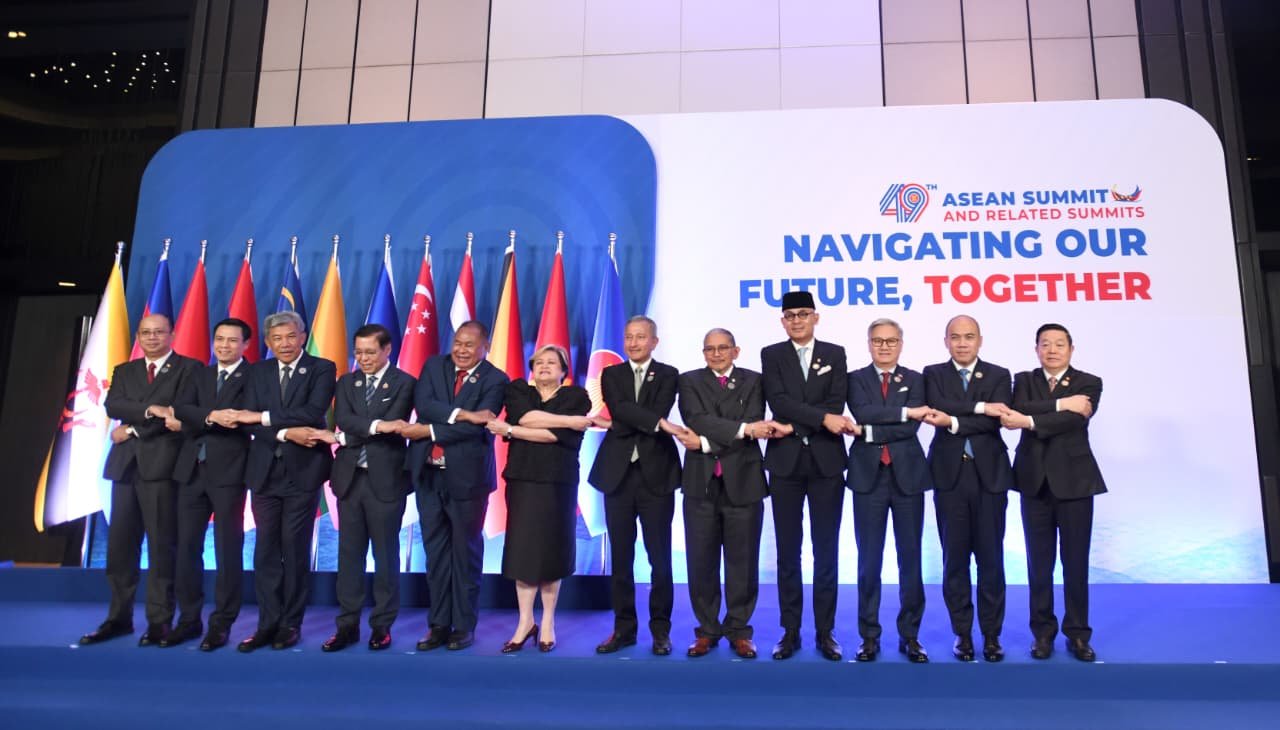
ASEAN foreign ministers held preparatory discussions on Saturday ahead of the leaders' summit. The ministers, hosted by Philippine Foreign Secretary Theresa Lazaro, posed for a joint photograph after the meeting.
Lazaro is expected to brief her counterparts on her recent visit to Myanmar, where she renewed calls for the country's military-led government to implement ASEAN's five-point peace plan. The plan was adopted by regional leaders five years ago to address the violence and political instability gripping the country.
Myanmar's leader and foreign minister have been barred from attending ASEAN's annual meetings because of the government's failure to make sufficient progress in implementing the peace agreement.
The draft communique calls on all parties in Myanmar to immediately stop the violence, ensure safe and unhindered humanitarian access, initiate inclusive dialogue with all stakeholders and unconditionally release people described as unjustly detained.
The continuing conflict remains one of ASEAN's most serious challenges, testing the bloc's ability to achieve consensus and deliver meaningful diplomatic outcomes.
South China Sea Code of Conduct Talks to Continue
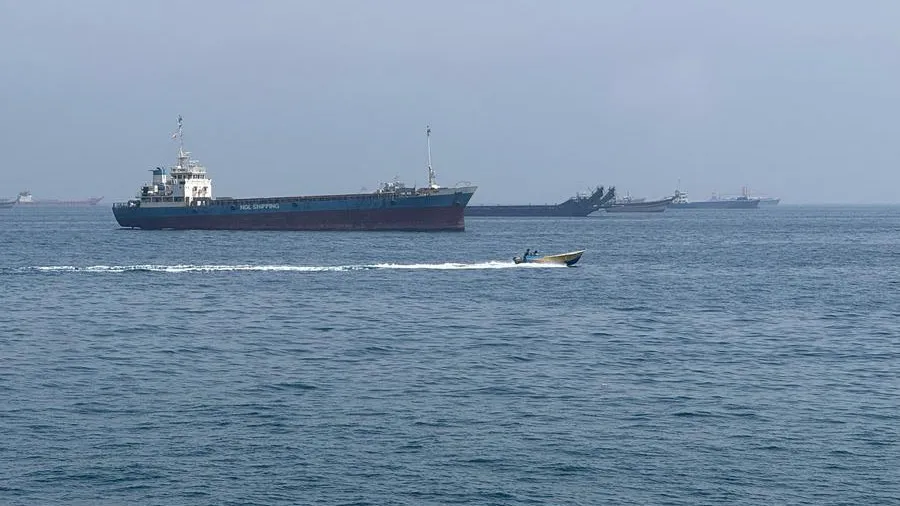
The South China Sea dispute is another major issue expected to feature prominently during the Manila summit. The maritime dispute involves China, Taiwan and four ASEAN members — Brunei, Malaysia, the Philippines and Vietnam.
Negotiations between China and ASEAN on a proposed Code of Conduct (COC) aimed at preventing confrontations in the disputed waters have reportedly made substantial progress, according to three Southeast Asian diplomats who spoke to The Associated Press.
However, the diplomats indicated that the agreement, which has been under discussion for more than two decades, is unlikely to be finalised this year. Negotiations are expected to resume next year.
The proposed Code of Conduct seeks to prevent recurring confrontations in the strategically important waters from escalating into a major military conflict. Such an escalation could threaten regional security, disrupt international trade and severely affect Asian economies.
With competing territorial claims, geopolitical rivalries and conflicts across multiple regions dominating the agenda, the Manila summit will test ASEAN's capacity to maintain regional unity while strengthening diplomatic efforts for peace and stability.
(Disclaimer :The content of this article is sourced from a news agency and has not been edited by the Mavericknews30 team.)