Cow shelters can now directly procure fodder from farmers in their Gram Panchayats instead of suppliers
There will be no need to burn crop residue and stubble, helping reduce pollution
Yogi government to provide a sustainable foundation for the protection of destitute cattle, while also ensuring economic benefits for farmers
Training to be provided on producing high-quality manure from cow dung and urine and the scientific use of natural farming
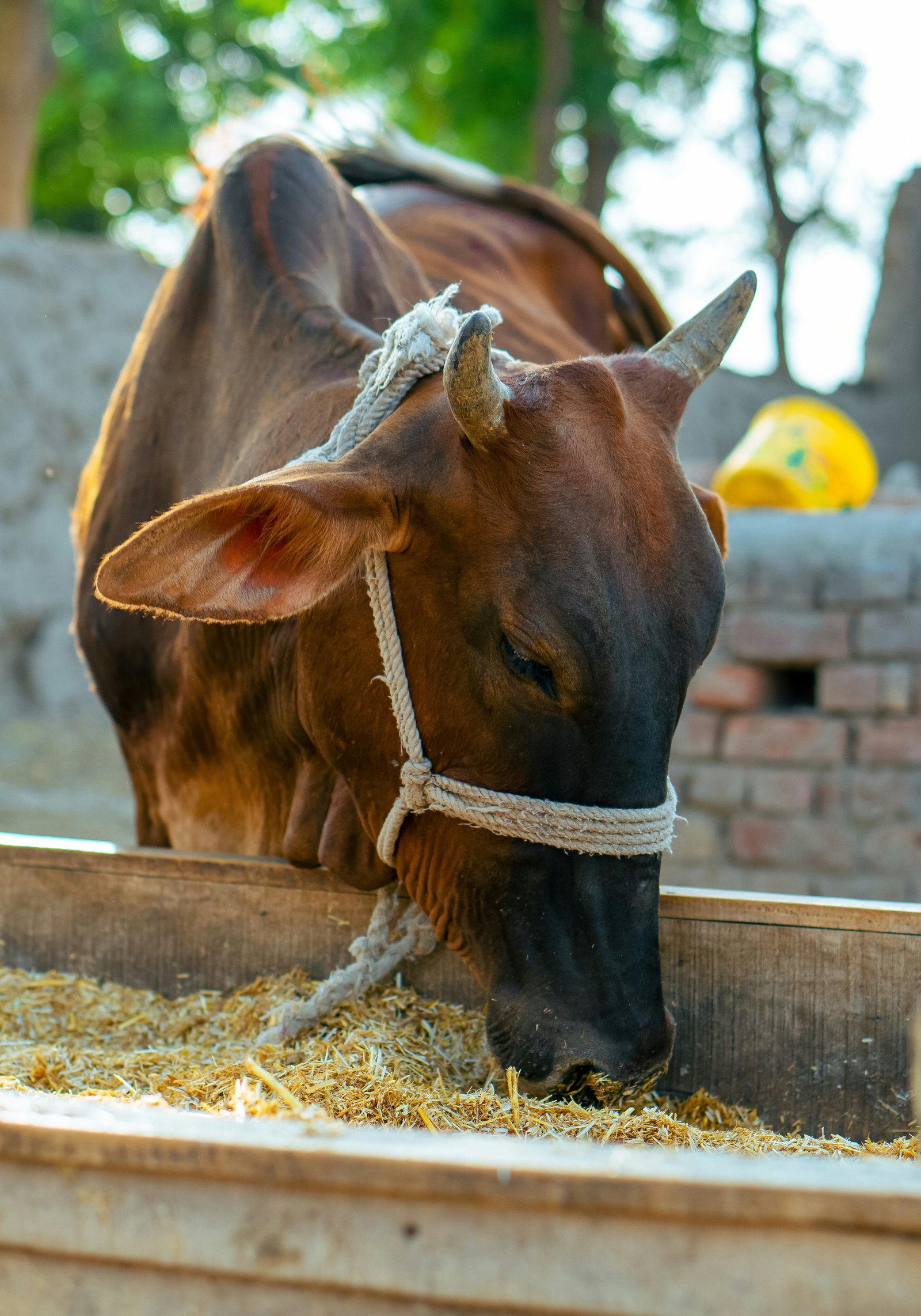
Lucknow, November 2026 : The Yogi government is preparing to launch an innovative ‘Fodder in Exchange for Manure’ model to link the protection of destitute cattle with farmers' income, organic farming and the rural economy. Under this initiative, cow shelters will be able to procure fodder directly from farmers in their respective Gram Panchayats instead of relying on fodder and dry fodder suppliers. An annual direct agreement will be established between farmers and cow shelters, under which farmers will receive organic manure, cow dung, and cow urine in exchange for green and dry fodder and straw. With crop residue and stubble suitable for use as fodder being utilized in cow shelters, there will be no need to burn them, thereby helping reduce pollution.
In line with CM Yogi's vision, this initiative will ensure a regular supply of fodder to cow shelters throughout the year, provide economic benefits to local farmers, and make the cow protection system self-reliant and sustainable.
The Yogi government aims to make the cattle protection system sustainable in the long term and economically viable. With this objective, steps are being taken to develop cow shelters not merely as centers for protecting destitute cattle, but also as units that promote organic manure production and natural farming. Providing manure in exchange for fodder will increase farmers' active participation in cattle protection. Cow dung and cow urine can also be utilized to prepare organic manure.
Under the scheme, farmers will also receive specialized training in cow-based natural farming. They will be taught how to prepare high-quality organic manure from cow dung and urine. Along with this, they will receive comprehensive information on the scientific and technical use of organic manure in natural farming.
The objective is to ensure that farmers are not limited to merely receiving organic manure, but also understand the techniques involved in its production, quality maintenance, and effective use in fields. This will not only promote natural farming but also help re-establish the role of cattle in agriculture.
Through the efforts of the Yogi government, an extensive cattle protection system has been developed across the state. More than 16 lakh destitute cattle have been provided protection through over 7,700 cow shelters in the state. The Yogi government is now focusing on further strengthening this system and making its operations self-reliant. The 'Fodder in Exchange for Manure' model is being regarded as an important initiative in this direction.
Animal Husbandry and Dairy Development Minister Dharampal Singh said, "The Yogi government is continuously making efforts to protect destitute cattle. The government's objective is to develop arrangements alongside cattle protection that will enable this campaign to continue operating consistently and effectively."
Additional Chief Secretary, Animal Husbandry Department, Mukesh Meshram said, "The system of cow protection in the state is now expanding on a large scale. Through the new initiative, efforts are being made to connect cow shelters, farmers, and natural farming. The arrangement of providing organic manure in exchange for fodder will help link cow protection with public participation and agricultural utility."