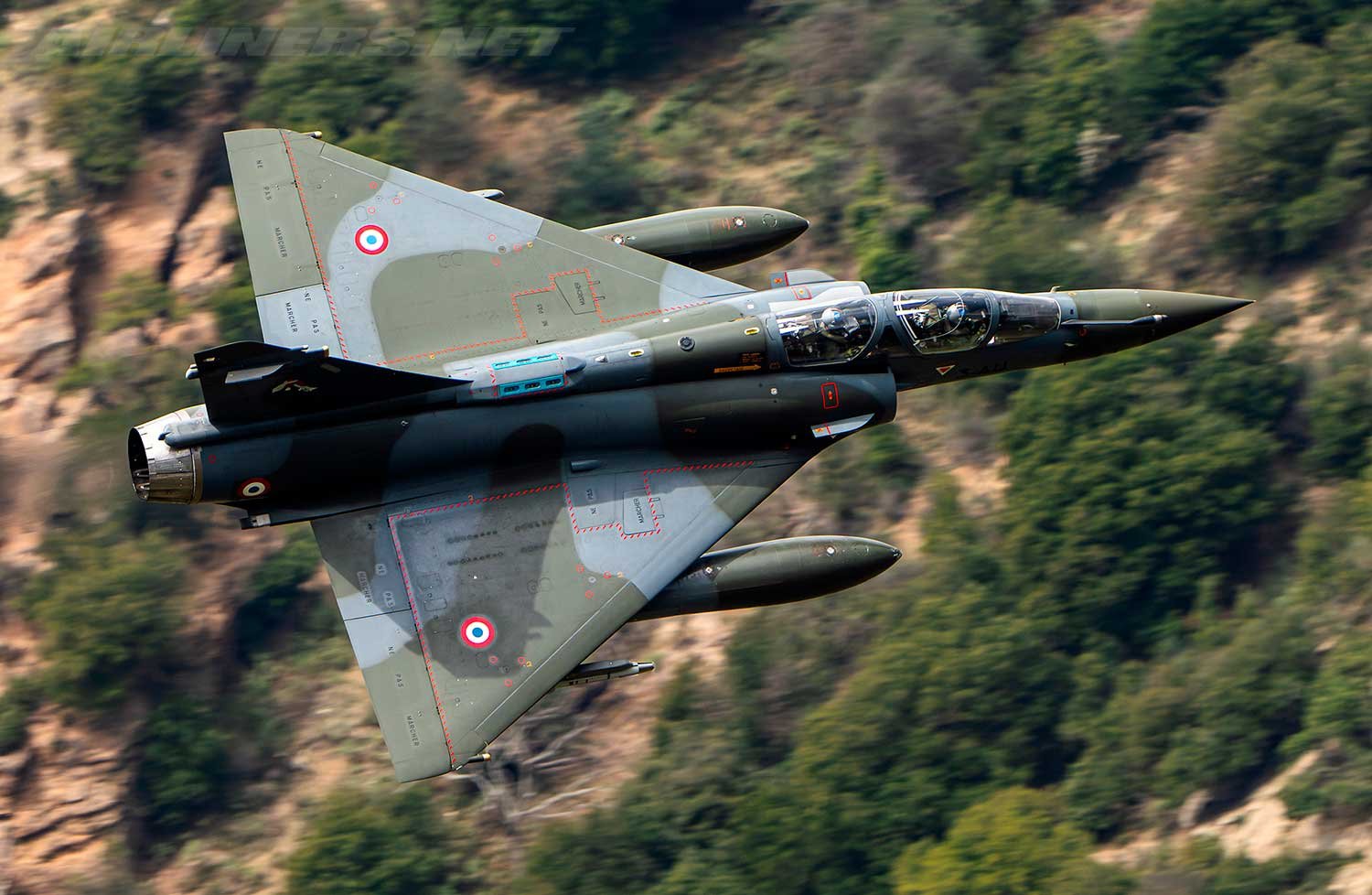
The Indian Air Force has signed a procurement contract for a virtual reality-based Part-Task Trainer for its Mirage-2000 fleet, advancing an indigenous iDEX-developed simulation system from trials to operational acquisition. Developed by Delhi-based deep-tech start-up Threye Interactive, the trainer is designed to enable aircrew to practise specific cockpit functions, aircraft systems and mission procedures without using operational fighter aircraft.
New Delhi, Sept 2026 : The Indian Air Force has signed a procurement contract for a virtual reality-based Part-Task Trainer for the Mirage-2000 combat aircraft, marking another step in the induction of an indigenous simulation technology developed under the Ministry of Defence’s Innovations for Defence Excellence (iDEX) initiative.
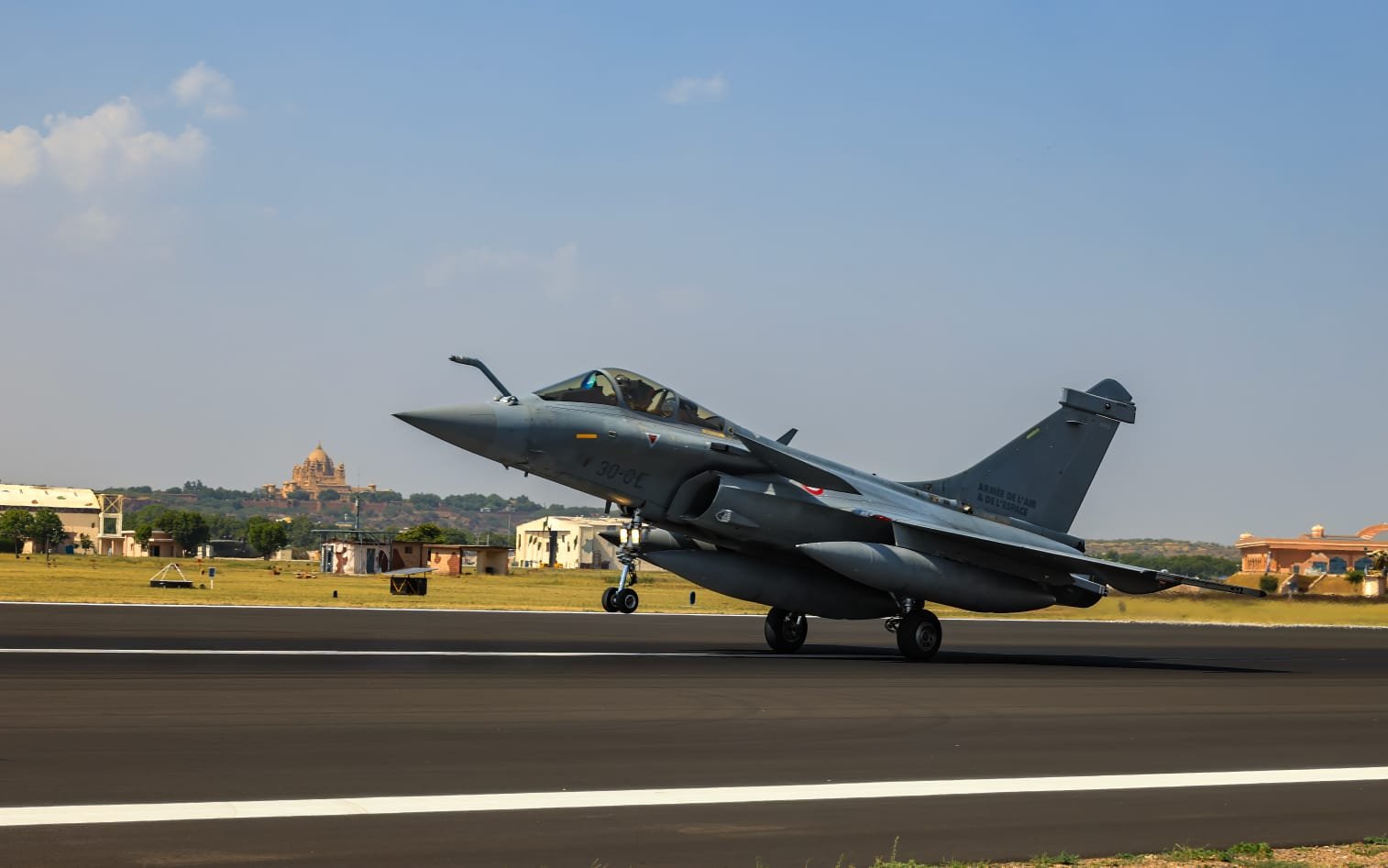
The system has been developed by New Delhi-based deep-technology start-up Threye Interactive Pvt Ltd under the Defence India Start-up Challenge-5 in the modelling and simulation category. It was specifically developed for the Mirage-2000 I/TI fleet and uses virtual reality, flight simulation and real-time networking technologies to create a controlled training environment.
The procurement follows trials conducted by the Indian Air Force on the Mirage-2000 platform. The move from testing to procurement indicates the service’s interest in using immersive simulation as part of structured aircrew training and reducing reliance on live aircraft sorties for selected procedures and mission rehearsal.
Unlike full-flight simulators that seek to reproduce an entire aircraft and its operating environment, part-task trainers focus on specific cockpit functions, systems and mission elements. This allows aircrew to repeatedly practise complex procedures without placing an operational fighter aircraft at risk.
The Threye system is a compact, PC-based trainer capable of supporting both individual and group training. It can be configured for virtual reality as well as non-virtual reality training, providing flexibility for different instructional requirements.
The VR-based configuration offers an immersive environment for practising aircraft systems, combat manoeuvres and coordinated large-force engagement scenarios. Such training can allow personnel to familiarise themselves with procedures and cockpit tasks before undertaking corresponding activities during live flying.
The use of simulation can also help improve the availability of frontline aircraft by reducing the number of training activities that need to be conducted on operational platforms. Repeated simulator-based practice can potentially lower operating expenses, reduce airframe usage and provide trainees with opportunities to rehearse procedures in a controlled setting.
The trainer’s modular architecture could also provide scope for adaptation to other fixed-wing and rotary-wing platforms, depending on future service requirements and the integration needs of individual aircraft types.
The latest contract is also part of a broader effort to promote indigenous defence technologies through the iDEX framework, which seeks to provide opportunities for Indian start-ups and innovators to develop solutions for the armed forces.
Threye Interactive has separately developed an augmented reality and virtual reality-based technical training system for Mirage-2000 ground crew. That system combines physical mechanical replicas, live electrical systems and interactive digital modules to support maintenance training, system checks and fault diagnosis.
The ground-crew training system is designed to allow personnel to repeatedly practise servicing and troubleshooting procedures without requiring access to operational aircraft or actual aircraft components. It incorporates features such as simulated fault insertion, step-by-step procedural training, augmented-reality guidance, real-time feedback and networked multi-user training.
According to Threye, its Mirage-2000 AR/VR technical training system has been accepted and deployed by the Indian Air Force. The company has also stated that the system can significantly reduce the cost associated with certain maintenance-training activities compared with conventional training conducted using operational aircraft.
The procurement of the new Part-Task Trainer adds an aircrew-training component to the indigenous simulation capabilities being developed for the Mirage-2000 fleet.
The induction of such systems allows specific training tasks to be conducted repeatedly in a controlled environment while reserving operational aircraft for missions and live flying requirements. It also provides instructors with greater flexibility to structure training around individual procedures and scenarios.
The contract therefore represents a transition of an iDEX-supported technology from development and evaluation to procurement, while highlighting the growing role of virtual and augmented reality in military training.
For the Indian Air Force, the Mirage-2000 trainer is intended to complement rather than replace live flying, providing an additional tool for preparing aircrew for complex aircraft operations and mission scenarios while supporting the broader objective of strengthening indigenous defence innovation.
(Disclaimer :The content of this article is sourced from a news agency and has not been edited by the Mavericknews30 team.)