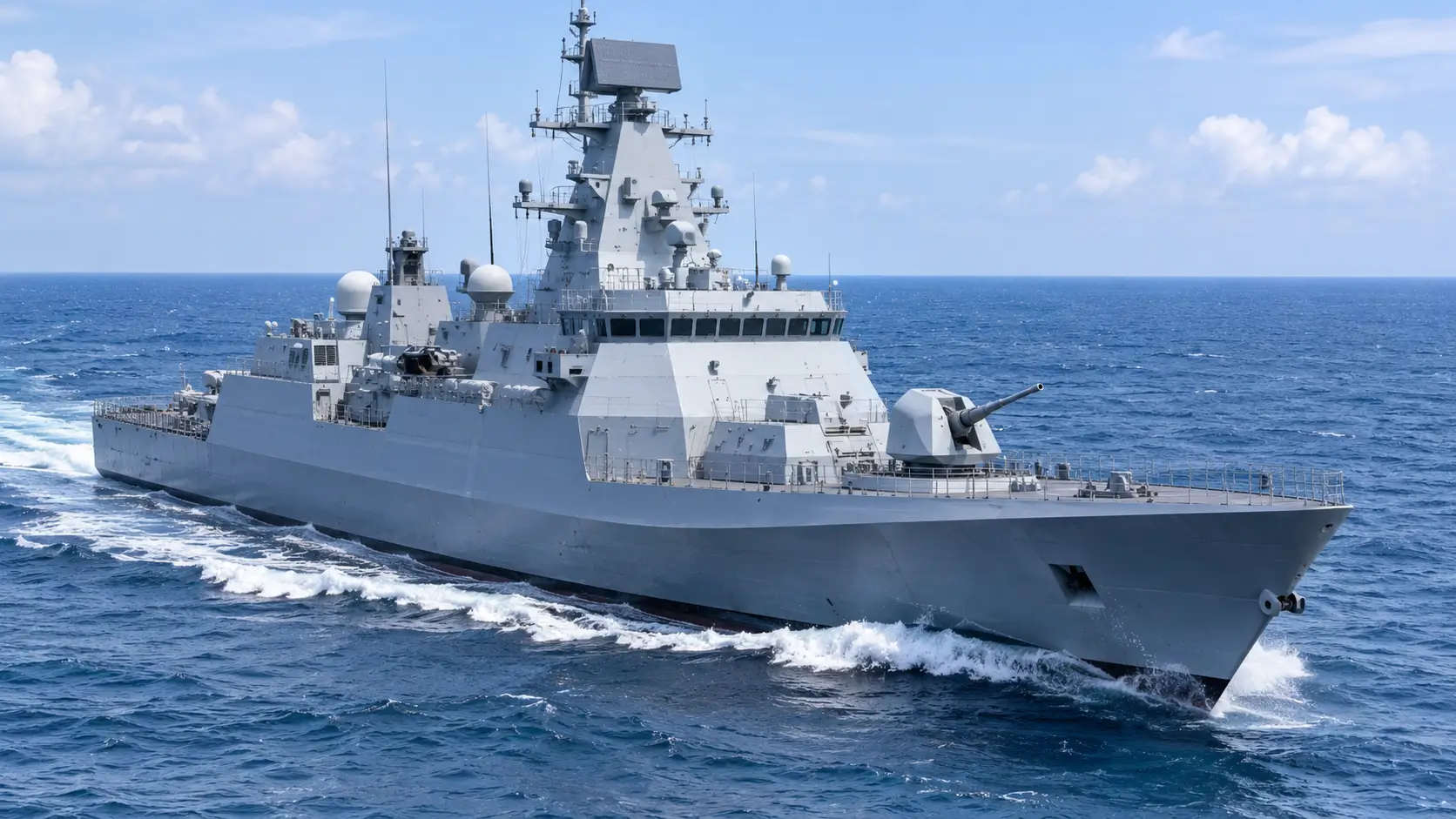
The ₹53,866.50 crore order gives the Indian Navy and two Indian shipyards an opportunity to build and sustain a common class of warships from an Indian design.
By Capt Anshuman Chatterjee (Retd)
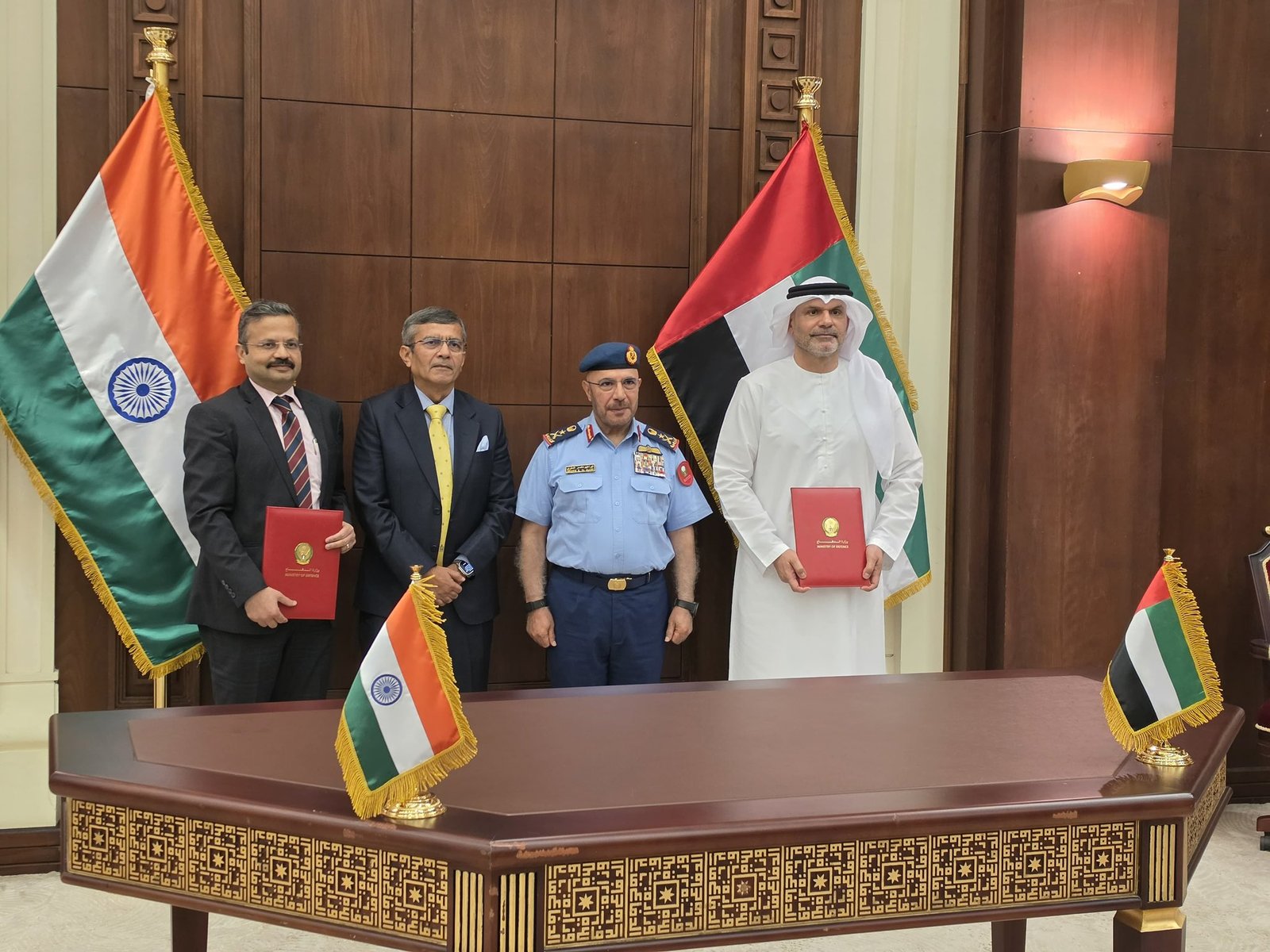
Goa, Nov 2026 : On 2 November 2026, the Ministry of Defence signed contracts worth ₹53,866.50 crore for eight Next Generation Corvettes for the Indian Navy. Garden Reach Shipbuilders & Engineers (GRSE) will build five in Kolkata and Goa Shipyard Limited (GSL) will build three in Goa. The Navy will design the ships. The Ministry described this as the first project in which Navy-designed ships will be built by defence public sector shipyards selected through a competitive process. The decision gives India two production lines for a single naval design and draws on the experience of both yards. 1
There is already a working precedent for these yards building the same class concurrently. GSL and GRSE are constructing the Navy’s 11 Next Generation Offshore Patrol Vessels, with seven assigned to Goa and four to Kolkata. The corvette programme builds on that experience and adds a significant opportunity for the Navy as the design authority. It can carry what it learns from both production lines into a class it will operate and maintain for decades. 2
One design, two shipyards
The Navy has an established mechanism for oversight through its Warship Overseeing Teams (WOTs) at GRSE and GSL. These teams monitor construction progress and oversee quality on behalf of Naval Headquarters. Their presence at both yards gives the Navy a practical way to coordinate with the shipbuilders as work proceeds and to share lessons from production and trials. 3
The two yards will bring their own production methods and experience to the programme. A change that makes a system easier to install in Kolkata may also help the team in Goa. A lesson from trials at either yard can inform work on ships still under construction. Where an equipment substitution makes sense, the Navy can assess its implications for spares, training and maintenance across the class. That exchange gives each yard the benefit of work done at the other.
The everyday meaning of design ownership
Design ownership gives the Navy the means to keep improving the ships after delivery. A sensor may need replacement, or a software update may have to work with equipment installed years earlier. The drawings, interface documents and test records assembled during construction help the Navy assess those changes and apply them across the class.
Chips can go out of production long before the ships that carry them retire. If a failed circuit board is no longer available, the Navy may have to qualify a substitute or replace the entire unit. A common equipment baseline and good documentation make it easier to carry an approved solution from one ship to the rest.
The same logic applies to the everyday work of running a fleet. A shared spares catalogue, common training material and compatible maintenance procedures help crews and shore establishments support ships built at either yard. For Indian firms that make specialist equipment, an eight-ship class also offers a clearer basis for investing in production, testing and repair capability.
What to watch after the contract signing
On 23 November, GRSE delivered Ashank, an Anti-Submarine Warfare Shallow Water Craft, 18 days after handing over Amini of the same class. Those deliveries illustrate the progress a yard can make once a programme is in series production. The corvette order gives Kolkata and Goa an opportunity to build that experience in parallel, with the Navy able to carry lessons from either yard into subsequent ships. 4
Keel laying, launch and commissioning will each mark a step forward. By the time the first crews take over, the work done by the Navy, both yards and their suppliers will also be reflected in the spares, training and maintenance arrangements that go with the ships. That is where a common design begins to pay dividends for the fleet.
The real test will come when the first corvettes from the two yards enter their first major refits.
Sources
1. Ministry of Defence, Next Generation Corvette contracts
2. Ministry of Defence, Next Generation Offshore Patrol Vessel programme
3. Public Accounts Committee, oversight of warship construction | CAG, WOT at GRSE