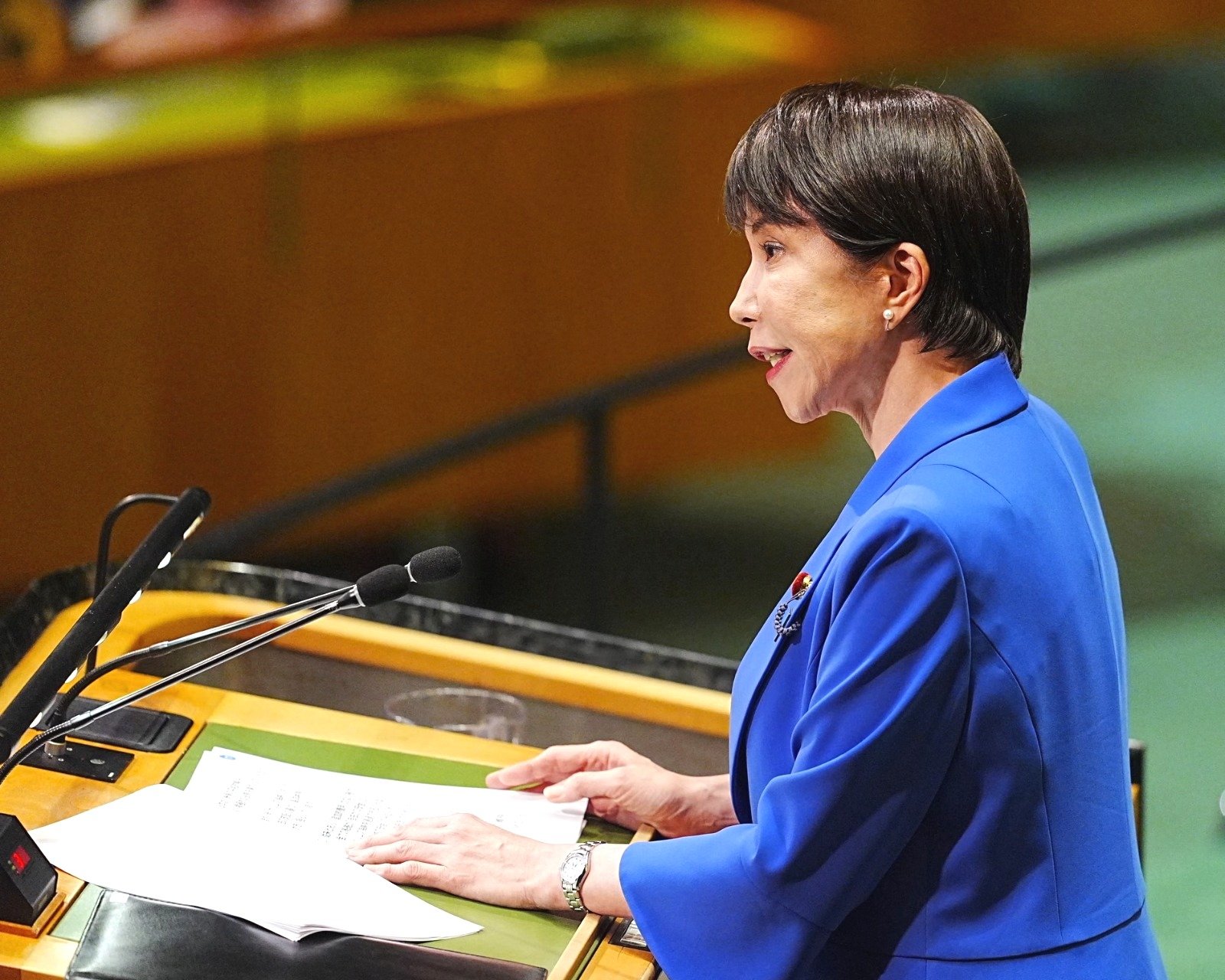
New York/Tokyo; September 2026: Japanese Prime Minister Sanae Takaichi has taken a courageous step in the form of an indirect defence of the International Criminal Court in her UN General Assembly debut exposed the diplomatic restraints on Tokyo from its alliance with Washington under President Donald Trump.
The Japanese Prime Minister have been to New York facing calls from lawmakers to offer a more robust response to US sanctions including on the court's president, Japanese national Tomoko Akane, after her initial reaction, such as just saying the measures were "very unfortunate", was criticized as being too weak.
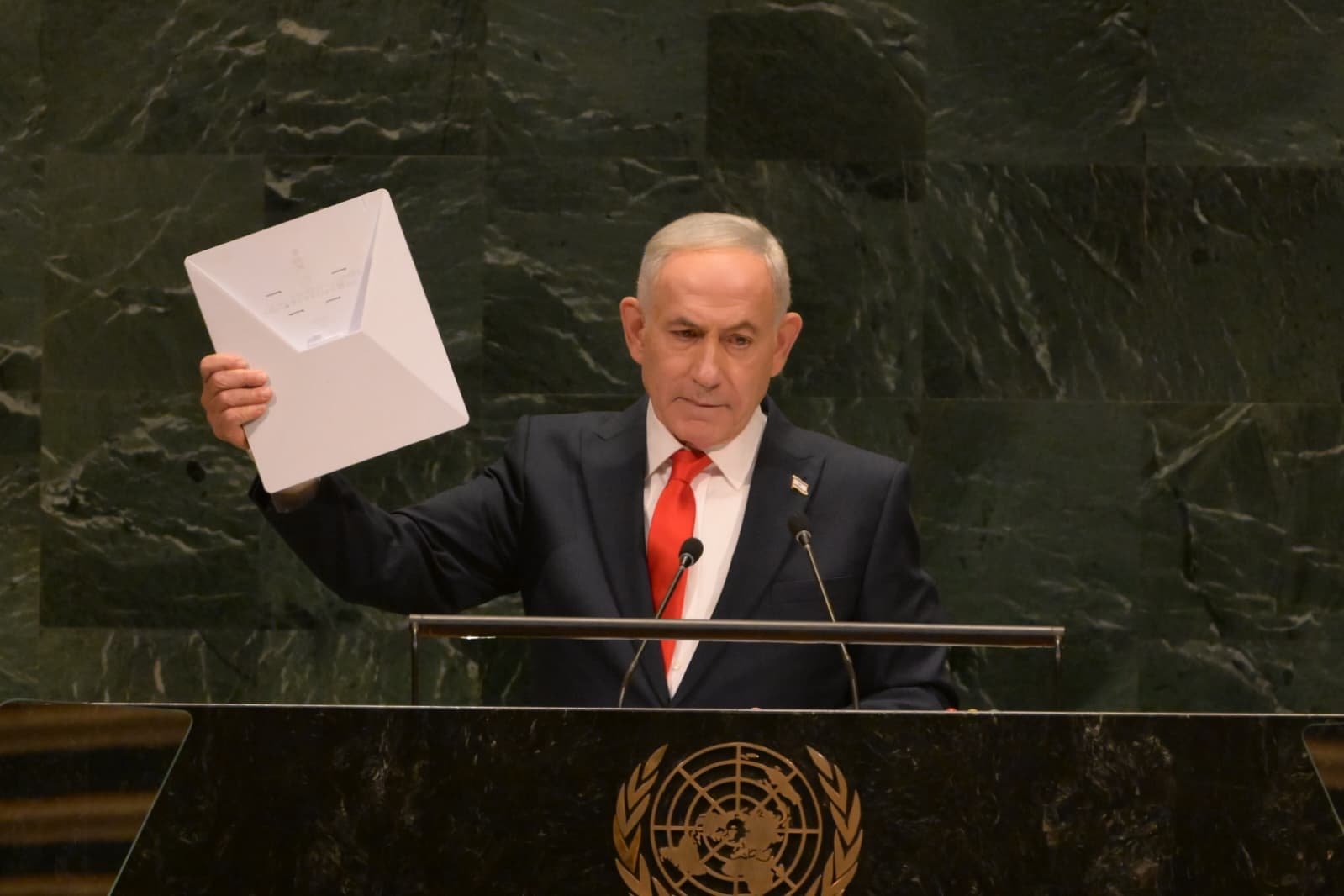
The prime minister used her General Assembly address to defend the United Nations and voiced "consistent support" for the court and the rule of law, while avoiding criticizing the United States or its sanctions first announced in August.
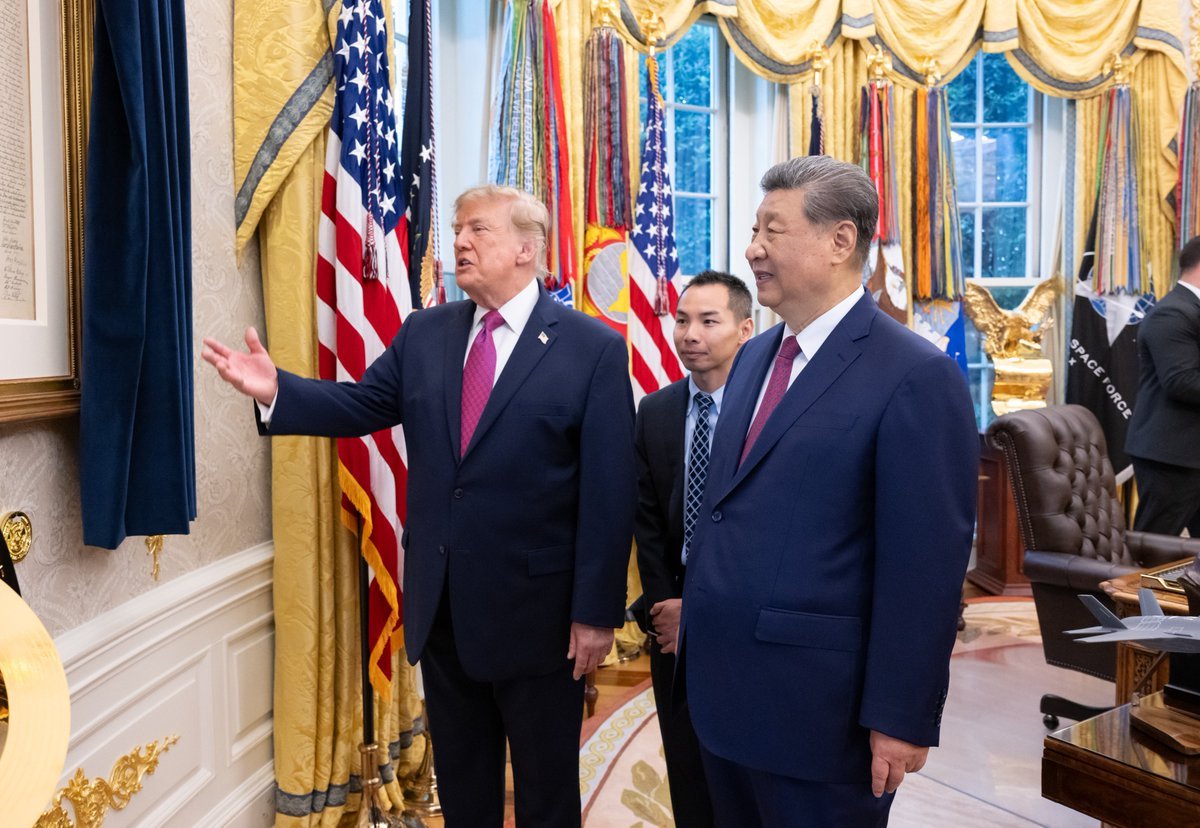
She also had a "frank exchange of views" regarding the ICC with Trump when they met on the assembly's sidelines, the Japanese Foreign Ministry said without further elaboration. The meeting was timed with an eye to aligning views before his summit on Thursday with Chinese President Xi Jinping.
Amid questions over what Japan conveyed to the United States, Takaichi refrained from providing more details on the ICC exchange in a press conference that saw her tout their meeting as showing the world the strength of the Japan-US alliance.
Analysts said the development shows how Japanese diplomacy has had to prioritise the US security relationship amid global uncertainty partly caused by the United States, as the conflict with Iran roils energy markets and the January capture of then Venezuelan President Nicolas Maduro raises questions over its stance on international law.
The restraints on Japan's options, they said, have been made tighter as worsening ties with China limit alternatives, even as there are few signs of tangible results after multiple meetings with Trump.
"Things Japan should be doing are effectively being held hostage by its national security needs", Kazuhiro Maeshima, a professor in American government and politics at Sophia University, said of the prime minister's rhetoric toward Trump on the ICC. "Japan can no longer say what it should be saying".
Maeshima said vague wording would be used to avoid angering the US president, who has been critical of allies' commitments to defence and the US share of those responsibilities. "The Takaichi administration faces a difficult balancing act, the importance of protecting the ICC, and the future of US-Japan relations", Maeshima said. "If the United States were to start talking about reviewing the US-Japan alliance, these two simply cannot be weighed against each other on equal terms".
The US-Japan security alliance commits the United States to defend Japan while allowing US forces to maintain bases and facilities in the country.
Amid an increasingly complex security environment in the Indo-Pacific region due to a more assertive China as well as North Korean missile and nuclear development programs, analysts say Japan needs the deterrence afforded by the United States more than ever.
The Trump administration says the court, to which the United States is not a member, threatens its sovereignty. Ahead of his face-to-face meeting with Takaichi, Trump called the International Criminal Court an "out of control" institution in his address to the United Nations.
Tobias Harris, founder and principal of the US-based political risk advisory firm Japan Foresight, said the posture Takaichi took in her speech reflected Japan's "cold, hard interests" that depend on a predictable rules-based order as a middle power.
While the Trump administration is aggressively pursuing a campaign to dismantle The Hague-based court, Japan was its largest financial contributor in 2025. Following scrutiny of her initial reaction, Takaichi later said the US sanctions are "incompatible" with Japan's position.
"It's very clear there's a gap where Japan is dependent for hard security reasons on a United States that is simultaneously acting against the international institutions Japan also sees as being in its interest”, Harris added, saying that supporting the ICC while avoiding direct confrontation with Washington could be unsustainable.
Further limiting the prime minister's room to manoeuver is the downturn in relations with China, Japan's largest trading partner, after Takaichi in November last year said a Chinese attack on Taiwan, a self-ruled island claimed by Beijing, could trigger a response from Japanese defence forces in support of the United States. Japan has since faced pressure from Beijing in the form of export controls including on rare earths.
In a possible reflection of those concerns, Takaichi and Trump affirmed cooperation on economic security in issues related to China in their meeting. But as highlighted by the attention on Takaichi's handling of the ICC issue at the latest summit, analysts questioned what concrete benefit Japan is achieving from its frequent attempts to hold set-piece meetings with Trump.
Ahead of the talks, there had been speculation that Tokyo could face pressure to raise its defence spending to 3.5% of gross domestic product, or to provide further investment to the United States. Japan has already agreed to commit $550 billion to US-based projects through investments, loans and loan guarantees in exchange for more favourable tariff treatment.
The roughly 35-minute meeting produced pledges to make the alliance "even more robust" and agreements to further strengthen cooperation on economic security, including artificial intelligence, semiconductors and critical minerals.
Harris said it underscores a broader problem with the relationship under Trump across the four encounters the two leaders have had since Takaichi came to power in October. "It's hard to see what exactly Japan has gotten out of it", he said, adding that Takaichi and Trump's meetings have tended to generate strong optics, such as the two in front of a crowd of US personnel on a nuclear-powered aircraft carrier in Japan. "In that sense, it's not enough that President Trump says some nice things about Takaichi and things like that", he said. "It's really, how do you get back to the feeling the United States is committed to the region in serious ways?"
Team Maverick.