Three-hour meeting between US envoy Steve Witkoff and Iranian Foreign Minister Abbas Araghchi takes place on sidelines of UN General Assembly amid tensions over Strait of Hormuz
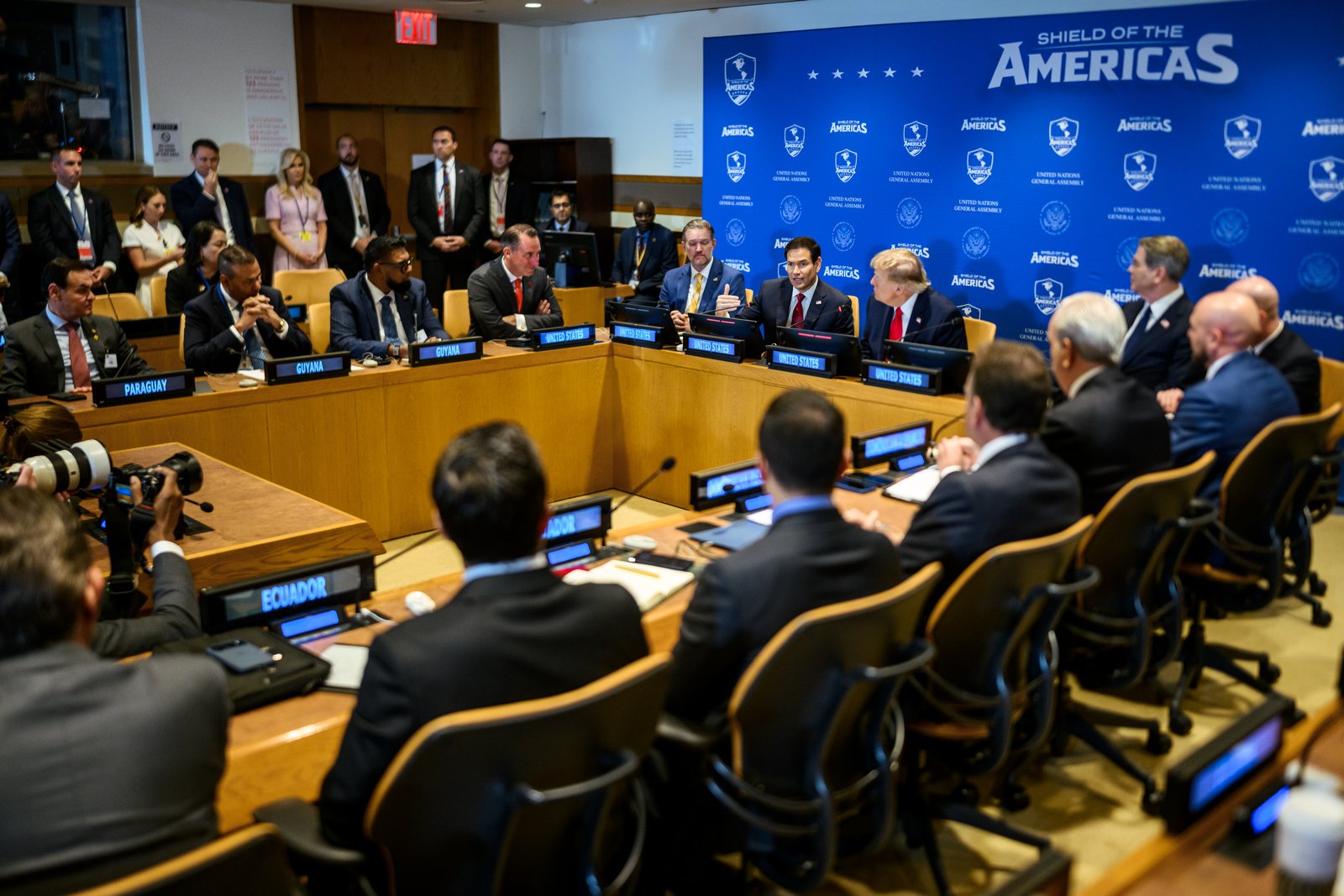
New York, September 2026 : US President Donald Trump said American and Iranian officials held their first known face-to-face talks in months on Tuesday, hours after he warned in an address to the United Nations that he was weighing whether to reach a deal with Tehran or take further action against the Islamic Republic.
The three-hour meeting took place on the sidelines of the UN General Assembly in New York, with US special envoy Steve Witkoff and Trump's son-in-law Jared Kushner taking part on the American side and Iranian Foreign Minister Abbas Araghchi representing Tehran. Trump described the talks as “very good” and “very productive” and said another meeting was expected soon.
The talks marked the first direct contact between US and Iranian officials since June, when US Vice President JD Vance met Iranian representatives in Switzerland. The New York meeting came as efforts to end the conflict remain stalled, with the Strait of Hormuz emerging as one of the central issues in negotiations.
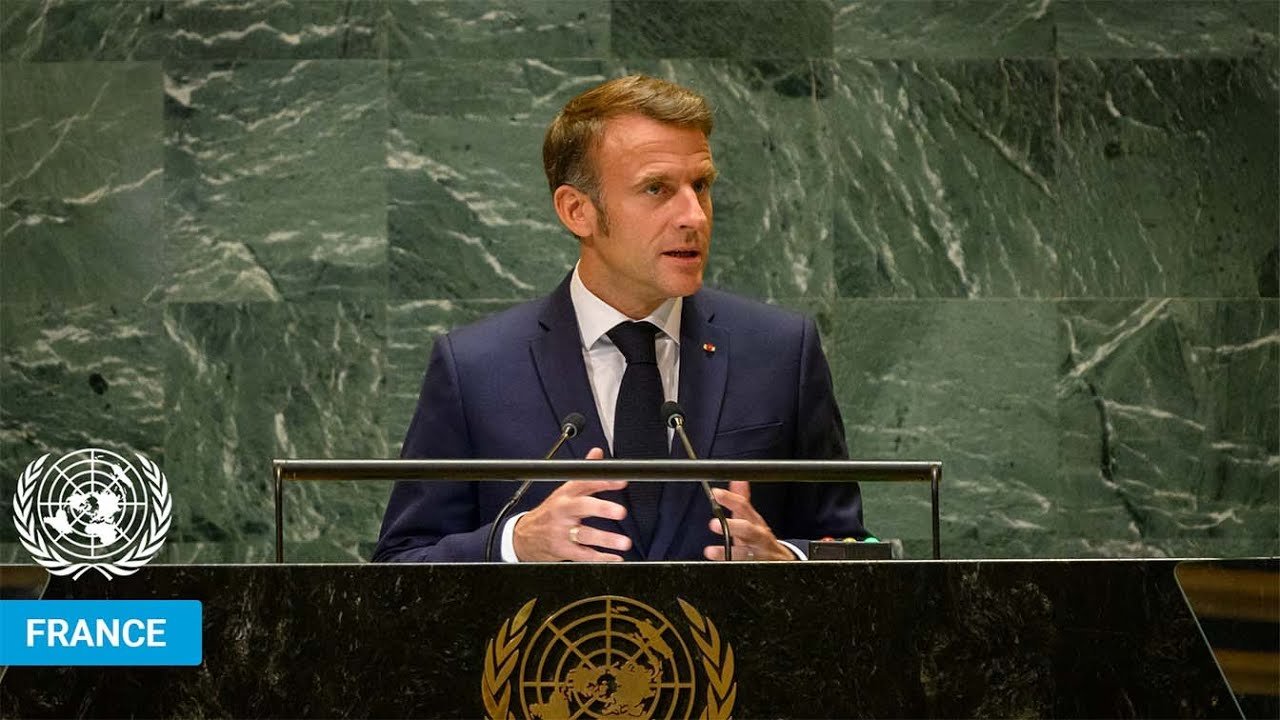
Trump's remarks at the UN earlier in the day reflected the sharp contrast between his public rhetoric and the diplomatic contacts taking place behind the scenes. In his address, he said he faced a major decision over whether Iran would agree to a deal or face further US action. He also insisted that Tehran must not be allowed to develop a nuclear weapon.
Despite the tough language, Trump later said there was significant momentum towards an agreement. Speaking to reporters after the meeting, he said the discussions had gone well and that he believed the two sides could make progress.
Iranian officials have linked any reopening of the Strait of Hormuz to a series of conditions. Iranian state media reported that Araghchi conveyed demands including the lifting of the US naval blockade, the release of frozen Iranian assets and an end to military operations across the region. Iranian officials have also indicated that the reopening of the strategic waterway would require reciprocal steps from Washington.
Witkoff said mediators had moved between the two sides during the day and described the discussions as constructive and promising. The comments suggested that negotiations could continue despite major differences between Washington and Tehran.
The Strait of Hormuz remains central to the confrontation because it is one of the world's most important oil-shipping routes. Continued disruption has contributed to pressure on energy markets, while the conflict has also increased economic and political pressure on the Trump administration.
Trump has repeatedly defended the US military campaign by arguing that Iran's nuclear ambitions pose a threat to the United States and its allies. At the same time, he has presented himself as a leader seeking to end major conflicts through negotiations.
The Iran talks were not the only major diplomatic engagement involving Trump at the UN. He also met Ukrainian President Volodymyr Zelenskyy as Washington continued efforts to end Russia's war in Ukraine. Trump again expressed confidence that a settlement could be reached, although negotiations between Kyiv and Moscow remain unresolved.
Zelenskyy later said Ukraine was prepared to stop strikes against Russian energy infrastructure if Russia took reciprocal action. The proposal followed Trump's call for Ukraine to halt attacks on Russian refineries.
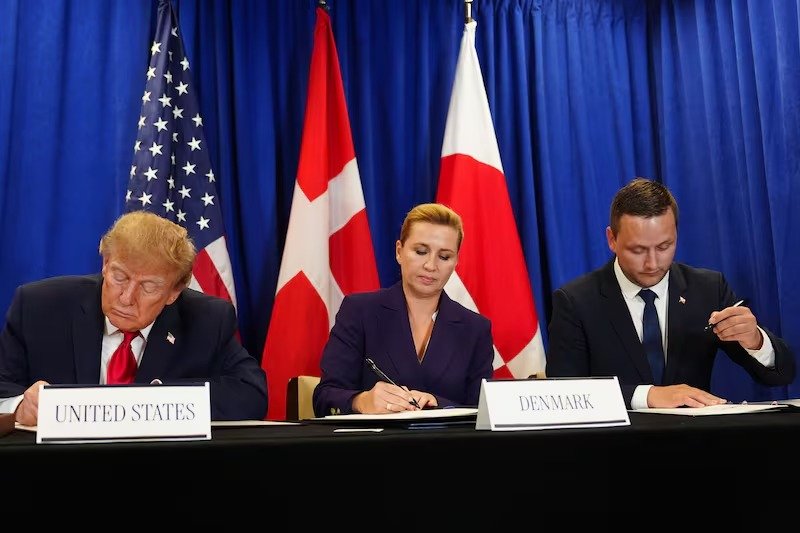
Meanwhile, Trump signed a security agreement with Denmark and Greenland aimed at strengthening US military and strategic access in the Arctic. The agreement allows for two additional US military facilities at Narsarsuaq and Mestersvig and expands the existing US presence at Pituffik Space Base. It also reaffirms Denmark's sovereignty over Greenland and recognises Greenland's right to self-determination.
The agreement followed months of tension after Trump repeatedly called for greater US control over Greenland, citing American security interests in the Arctic. Under the new arrangement, Washington will gain expanded military access while the pact seeks to prevent non-NATO powers from establishing strategic military or investment footholds on the island.
With the UN General Assembly providing a rare setting for high-level diplomatic contacts, the renewed US-Iran engagement has opened another channel for negotiations. However, major differences over military operations, sanctions, Iran's nuclear programme and the Strait of Hormuz remain unresolved.
The immediate focus is now on whether the next round of discussions can produce concrete terms for reducing tensions and moving towards an agreement. For now, both sides have signalled that diplomacy remains possible even as Washington and Tehran continue to differ sharply over the way forward.
(Disclaimer :The content of this article is sourced from a news agency and has not been edited by the Mavericknews30 team.)