Advance planning for land, electricity costs and reuse of treated wastewater essential for implementation
Emphasis on accelerating cooperation with the World Bank and IFC
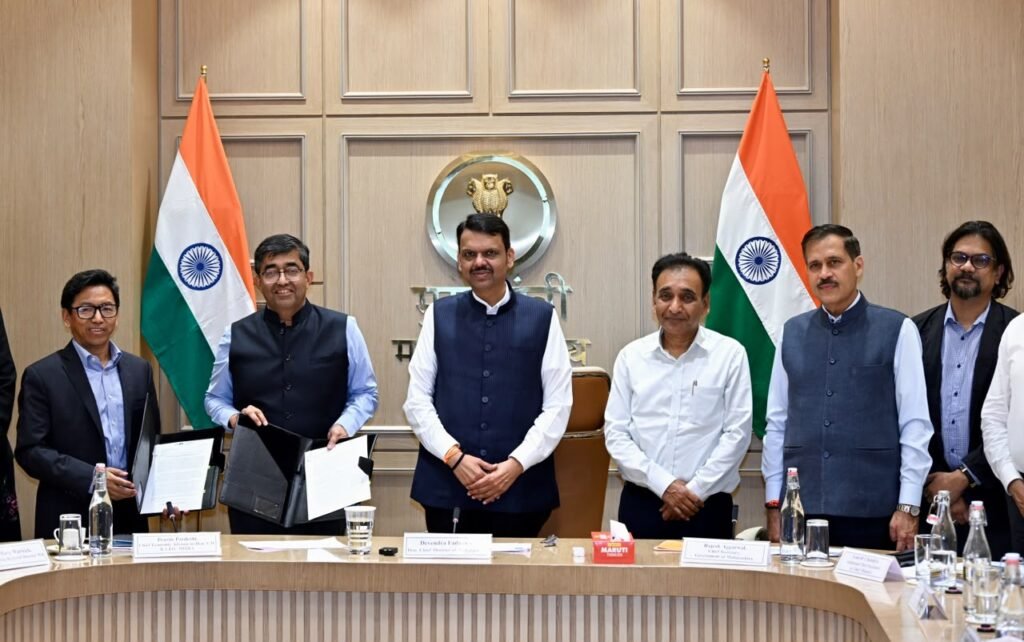
Mumbai, October 2026: Maharashtra Chief Minister Devendra Fadnavis has stressed the need to ensure the economic viability and long-term sustainability of water projects by securing the required land, right of way and other permissions in advance, adopting technologies such as solar power and battery storage to reduce electricity costs, and identifying consumers for treated wastewater.
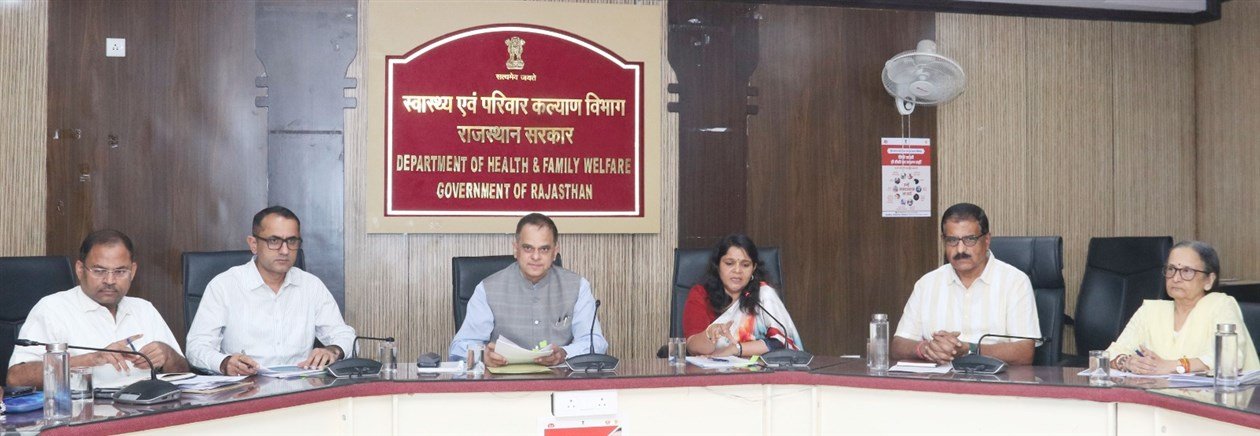
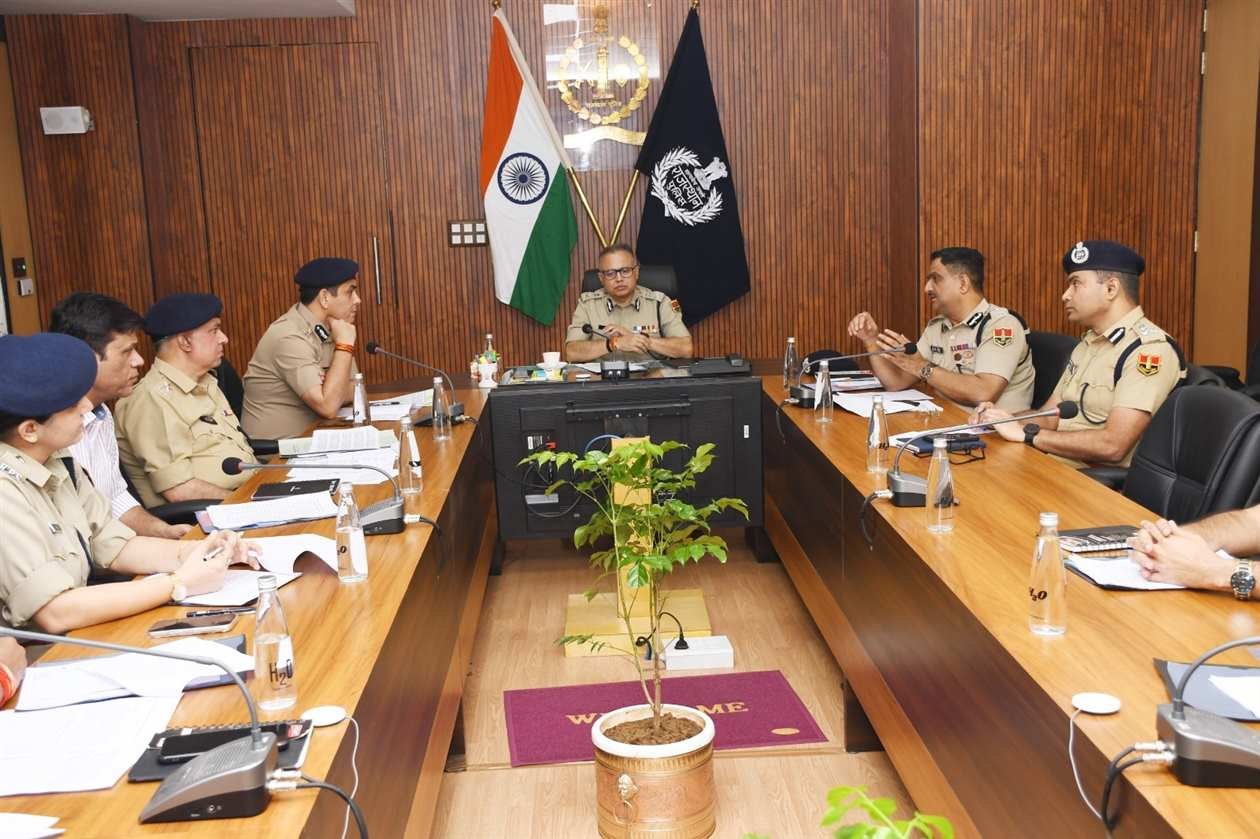
The Chief Minister was chairing a review meeting on urban infrastructure and water projects in Maharashtra with delegations from the World Bank and the International Finance Corporation (IFC) at his official residence. Discussions focused on project implementation, financing, technological solutions and completing projects within stipulated timelines.
The World Bank delegation included South Asia Regional Director Mara Warwick and India Water Sector Manager William Rex. Nuru Lama, Infrastructure Sector Manager for South Asia at the IFC, along with Harsh Goyal, Neeraj Gupta, Lalita Srinivas and other senior officials, also attended the meeting.
Fadnavis said cooperation with the World Bank was important not only for financial assistance but also for bringing about institutional and systemic changes. The World Bank could play a significant role in introducing modern technology, strengthening operational systems and developing infrastructure that would serve future generations.
He noted that Maharashtra had previously worked with the World Bank across several sectors and emphasised the need to expand this cooperation further.
Comprehensive project preparedness essential
The Chief Minister said that securing the required land, establishing rights of way and obtaining all necessary permissions before implementation were essential to prevent delays.
In many cases, projects face delays of one to two years after approval because land is unavailable or other obstacles remain unresolved. Projects selected for financing must therefore be fully prepared for investment before implementation begins, he said.
Fadnavis added that smaller cities also had a substantial need for such infrastructure. Coordinating among different institutions and pooling available resources could help reduce financing costs and make projects financially viable and sustainable over the long term.
Alternative energy to reduce electricity costs
Electricity is a major component of the operating expenses of water projects. In many cases, operational difficulties arise not because of technical shortcomings but because electricity bills become unaffordable.
The Chief Minister said operating costs must be considered from the planning stage itself. Greater use of solar power, battery storage and other available modern technologies should be encouraged to reduce electricity expenses.
Such measures would improve the financial viability of water projects and help ensure their long-term sustainability, he said.
Identify consumers for treated wastewater reuse
Fadnavis emphasised that the effective reuse of wastewater after treatment was equally important. Identifying industrial and other consumers for treated water should form an integral part of project planning.
This would help create demand for treated water, encourage reuse and enable the recovery of part of the investment made in the projects, he said.
Policies have already been formulated to supply treated wastewater to industrial areas and power generation plants. The Chief Minister called for these policies to be updated and strengthened, along with the development of mechanisms to increase the use of treated wastewater.
Accelerate implementation and expand successful projects
Fadnavis said the timelines presented for the projects were ambitious but achievable through proper planning and coordination. All concerned departments and agencies should work according to the stipulated schedules and ensure that implementation begins without delay.
He called for the initially planned projects to be implemented effectively, followed by the expansion of similar initiatives on a larger scale.
Chief Secretary Rajesh Agrawal, Maharashtra Institution for Transformation (MITRA) Chief Executive Officer Praveen Pardeshi, Urban Development Department Principal Secretary Navin Sona, Additional Chief Secretary of the Finance Department Vikas Chandra Rastogi, Urban Development Secretary K. Govindaraj and other senior officials attended the meeting.