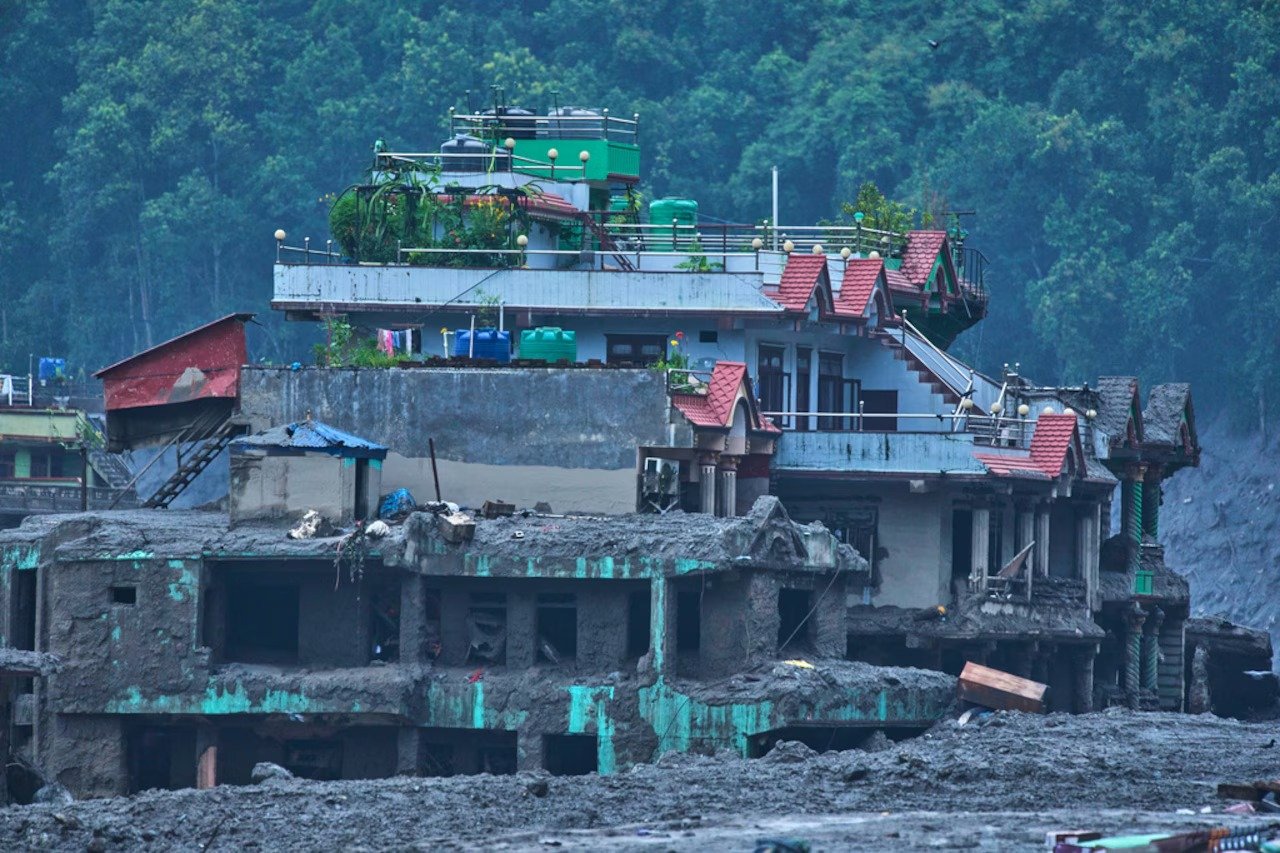
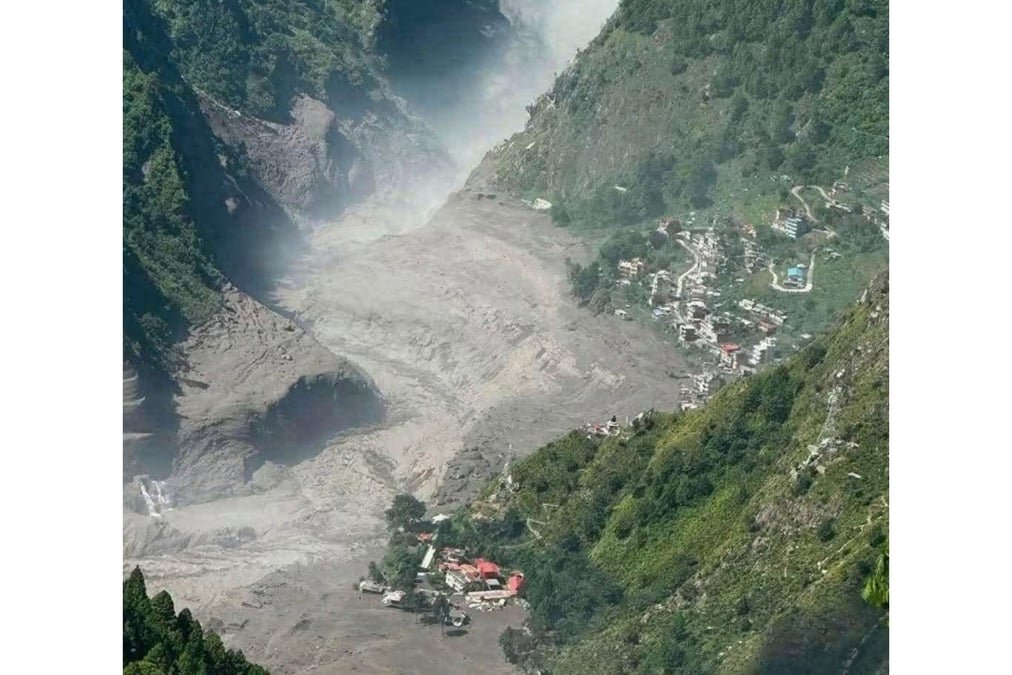
Floodwaters sweep away construction camps, bridges and equipment in the Budhi Gandaki basin, highlighting growing climate risks to Nepal’s hydropower infrastructure.
Kathmandu, Oct 2026 : At least four hydropower projects with a combined installed capacity of 412.09 MW have been affected by massive floods in the Budhi Gandaki River basin in western Nepal’s Gorkha district, the Independent Power Producers’ Association, Nepal (IPPAN) said on Sunday.
The floods struck early Sunday morning, washing away parts of settlements and damaging bridges, roads and infrastructure at hydropower project sites along the Budhi Gandaki River and its tributaries.
In a statement, IPPAN, which represents private-sector power developers in Nepal, said the affected projects had suffered damage to construction facilities, access routes, equipment and other infrastructure. The extent of the damage and the financial losses were not immediately available.
The 341-MW Budhi Gandaki Hydropower Project, which is under construction, suffered damage to its main camp area, which was swept away by floodwaters. Some construction equipment at the site was also washed away, according to IPPAN.
At the 24.5-MW Dobhan Khola Hydropower Project, several houses in the construction camp area were damaged. A Bailey bridge near the project site was also swept away by the floods, disrupting access to the area.
The 30.59-MW Yaru Khola Hydropower Project sustained damage to a Bailey bridge being used to support construction activities. Construction materials and equipment were also washed away.
Meanwhile, an access road and the bridge connecting the project site of the 16-MW Machha Khola Hydropower Project were damaged, IPPAN said.
The latest disaster has raised concerns over the vulnerability of Nepal’s hydropower infrastructure to sudden floods, landslides and other climate-related hazards. The country has been expanding its hydropower capacity with the ambition of becoming a major exporter of clean electricity in South Asia.
The damage follows devastating floods in the Bhote Koshi and Trishuli rivers on August 26, which caused widespread destruction across hydropower projects, solar energy facilities, electricity transmission networks and transport infrastructure. The energy sector was among the worst affected.
According to the World Bank’s Global Rapid Post-Disaster Damage Estimation (GRADE), the August 2026 floods affected 12 hydropower projects and one solar power project. These included 281.1 MW of operational capacity and another 395.02 MW of capacity under construction.
Damage to transmission lines and substations also disrupted the transmission of 149.6 MW of electricity to the national grid. The report estimated that the total affected capacity reached approximately 430.7 MW, equivalent to 10.6 per cent of Nepal’s combined installed hydropower and solar capacity at the end of the 2025-26 fiscal year, which concluded in mid-July.
The August disaster also caused a severe humanitarian crisis. According to Nepal’s National Disaster Risk Reduction and Management Authority, 1,455 people lost their lives, while 5,285 remained missing.
The latest floods underline the need for stronger disaster preparedness, resilient infrastructure and improved risk assessment as Nepal continues to invest in hydropower development. Repeated damage to projects and supporting infrastructure could affect construction schedules, electricity generation and the country’s longer-term ambitions for regional power exports.
(Disclaimer :The content of this article is sourced from a news agency and has not been edited by the Mavericknews30 team.)