
FDA introduces stricter rules on packaging, labelling and hygiene; violators face seizures, licence cancellation and legal action
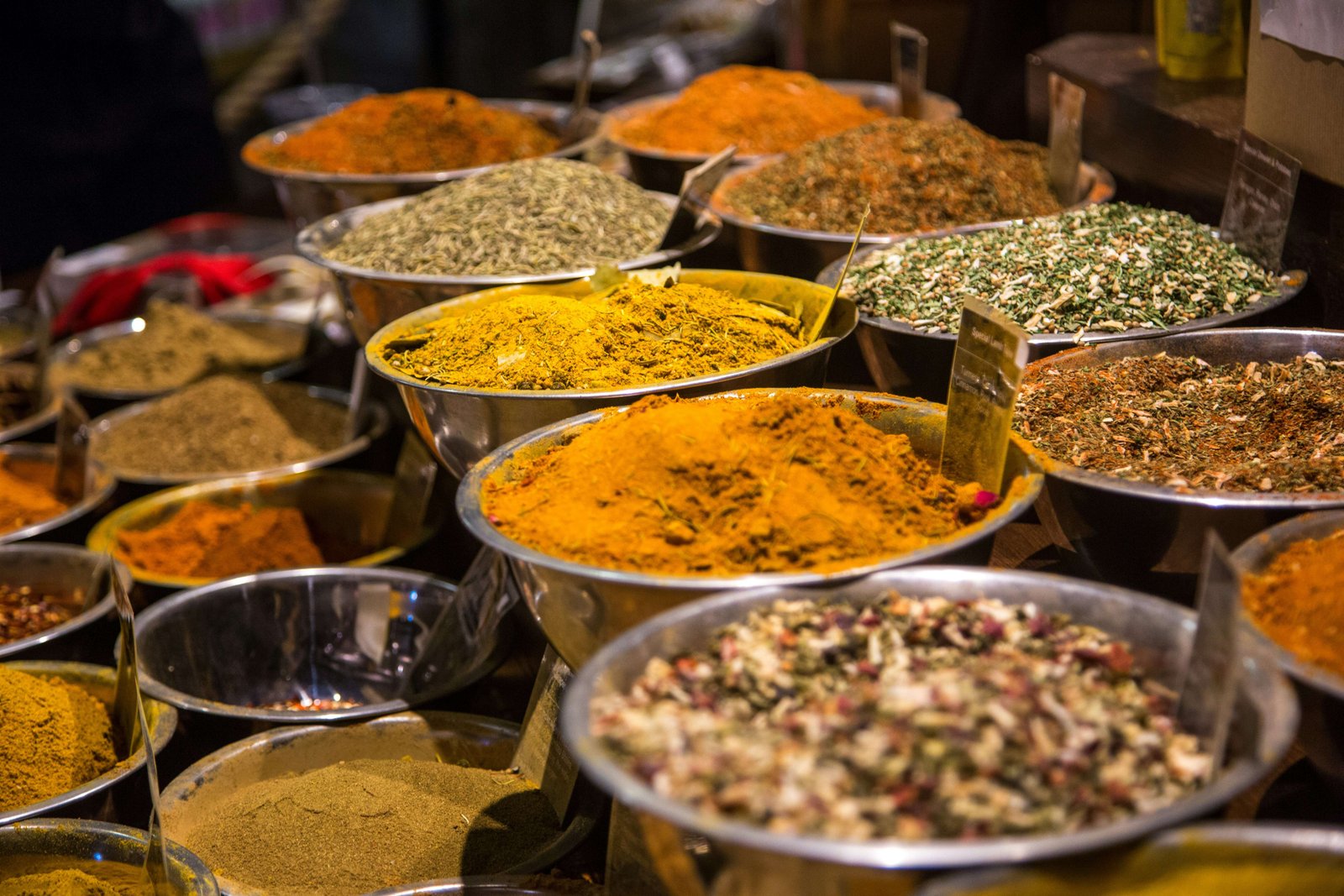
Mumbai, October 2026 : The Maharashtra Food and Drug Administration (FDA) on Thursday announced a ban on the sale of loose and unpacked spice powders and mixed spices, making packaging and sealing at the production site mandatory to prevent adulteration, contamination and ensure product traceability.
The state food safety regulator has also prohibited the use of ethylene oxide, a colourless and flammable gas, for sterilising spices over concerns about its potential carcinogenic effects.
Addressing reporters, FDA Commissioner Tukaram Mundhe said the state government had issued a comprehensive order regulating the production, processing, storage, transportation, distribution and sale of spices. The directions prescribe mandatory food safety requirements for all businesses involved in the spice trade.
The regulations cover manufacturers, traders, wholesalers, retailers, e-commerce platforms, hotels, eateries, caterers and institutional kitchens handling spices and spice-based products. These include turmeric, chilli, coriander, cumin, black pepper, cinnamon, cloves, cardamom, asafoetida, saffron, poppy seeds, garam masala, curry powder and other varieties.
Packaging and Labelling Made Mandatory
Under the new order, loose spice powders and mixed spices must be properly packed and sealed at the place of production before distribution or sale. The measure aims to reduce the risk of contamination and adulteration while allowing authorities to trace products to their source.
Spice packets must carry essential information, including the product name, list of ingredients, manufacturer's details, Food Safety and Standards Authority of India (FSSAI) licence number, batch number, date of manufacture or packing, and use-by or best-before date, along with other legally required particulars.
Mundhe said businesses engaged in spice production and grinding must possess a valid FSSAI licence or registration, as applicable. A municipal or other trade licence alone would not be sufficient to operate such businesses.
Food handlers must comply with prescribed medical fitness, personal hygiene and training requirements. Businesses must also implement a Food Safety Management System to maintain hygienic conditions and meet applicable food safety standards.
Ban on Harmful Colours and Adulterants
The order prohibits the use of harmful and unauthorised colouring agents, including Metanil Yellow, Rhodamine B, Sudan dyes and Lead Chromate.
The FDA commissioner warned that strict action would be taken against those found adulterating spices with brick powder, chalk, sawdust, foreign starch or other unauthorised substances to increase their weight or volume.
Authorities will also target businesses that mix inferior-quality raw materials into spices or sell products after removing valuable extracts, thereby compromising their quality and composition.
The order prohibits drying spices on public roads, tarred surfaces, near drains, garbage bins or cattle sheds. Production and storage facilities must remain clean, dry and hygienic, with adequate protection against pests.
Storing pesticides, industrial colours, chemicals and other harmful substances alongside spices will not be permitted, the commissioner said.
Ethylene Oxide Sterilisation Prohibited
A key provision of the order is the prohibition on using ethylene oxide to sterilise spices. Manufacturers must use only legally permitted sterilisation methods.
Spices will also be subject to testing for pesticide residues, aflatoxins, heavy metals and other contaminants in accordance with applicable food safety standards.
The FDA has cautioned manufacturers and sellers against making unsupported claims about the purity, naturalness or organic production of their products. Health-related claims must be backed by evidence, while misleading representations could invite action under the Food Safety and Standards Act, 2006.
Enforcement to Cover Entire Supply Chain
The FDA's enforcement drive will extend beyond retail outlets to producers, grinding and blending units, repacking businesses, suppliers and entities providing prohibited colours or other substances used for adulteration.
To identify the source of violations, officials will examine purchase and sale invoices, production records, batch numbers and the reconciliation of raw material quantities with finished products. The department will coordinate with the police and other competent agencies wherever necessary, Mundhe said.
Depending on the nature and severity of violations, action could include seizure of food products, suspension of sales, market recalls, suspension or cancellation of licences and legal proceedings.
The order directs food safety officials across Maharashtra to inspect businesses dealing in spices and verify compliance with the prescribed standards. Details of inspections, samples collected and enforcement measures must be entered into designated systems.
Concerned officers will also be required to submit monthly reports to senior officials, ensuring continued monitoring of the spice supply chain.
The FDA said the measures are intended to strengthen food safety, prevent adulteration and contamination, improve traceability and protect consumers across the state.