Research links regular peanut consumption with healthier blood lipid profiles, but experts stress moderation and a balanced lifestyle.
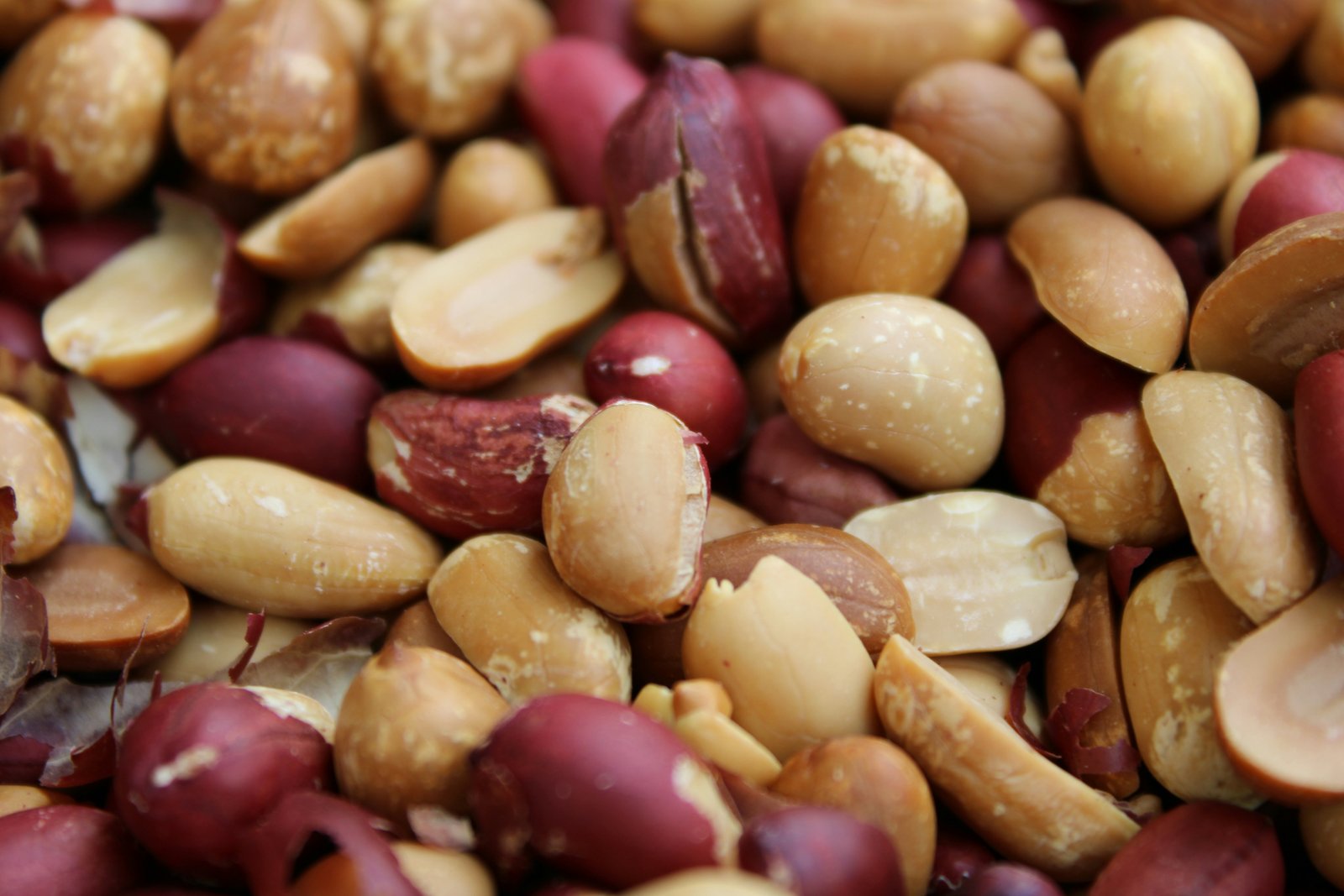
Mumbai, October 2026 : Peanuts, an affordable and widely consumed snack, may offer benefits for cardiovascular health when included regularly in a balanced diet. Research suggests that peanuts and peanut butter may help improve certain blood fat markers and support healthier cholesterol levels, although they should not be considered a substitute for medical treatment or other heart-healthy habits.
A six-month trial, known as the ARISTOTLE study and published in Frontiers in Nutrition, examined 63 adults who incorporated peanuts or peanut-based products into their usual diets. Participants consumed skin-roasted peanuts, peanut butter or a refined peanut oil spread, allowing researchers to explore whether the potential benefits were associated with whole peanuts or their fat content.
The findings indicated that participants consuming whole peanuts or peanut butter experienced improvements in certain blood lipid markers, particularly triglyceride levels. Elevated triglycerides are associated with a higher risk of cardiovascular disease. Researchers suggested that peanuts’ unsaturated fats, fibre and polyphenols, including compounds found in their skins, could contribute to these effects.
Another study published in Public Health Nutrition investigated men with elevated cholesterol who added a palmful of peanuts to their daily diets for four weeks. The researchers reported improvements in the ratio of total cholesterol to high-density lipoprotein (HDL), commonly known as good cholesterol. The study also found changes in markers used to assess coronary heart disease risk.
Long-term observational research has similarly explored the relationship between nut consumption and cardiovascular health. Data from studies, including the Nurses’ Health Study, have associated regular nut and peanut butter consumption with healthier low-density lipoprotein (LDL) cholesterol levels and overall blood lipid profiles. However, observational studies establish associations rather than proving that peanuts alone caused the reported benefits.
Animal research has also suggested that peanuts may influence antioxidant activity and cholesterol-related markers. Further human studies are needed to determine the extent and durability of these effects over time.
Peanuts contain protein, fibre and unsaturated fats, making them a nutritious and economical addition to everyday meals. Choosing plain or unsalted varieties and keeping portions moderate can help limit excess sodium and calorie intake. People with peanut allergies should avoid them.
Although the available findings are encouraging, heart health depends on several factors, including dietary quality, physical activity, smoking status and individual medical conditions. Peanuts may form part of a heart-friendly eating pattern, but their benefits should be considered alongside broader lifestyle measures.
(Disclaimer :The content of this article is sourced from a news agency and has not been edited by the Mavericknews30 team.)
Disclaimer: This article is for general informational and educational purposes only and is not a substitute for professional medical advice, diagnosis or treatment. Individual dietary needs vary. Consult a qualified healthcare professional for personalised guidance, particularly if you have high cholesterol, cardiovascular disease or a food allergy.