Chief Minister holds meeting with Central Drought Assessment Team; technology-driven relief measures to be prioritised
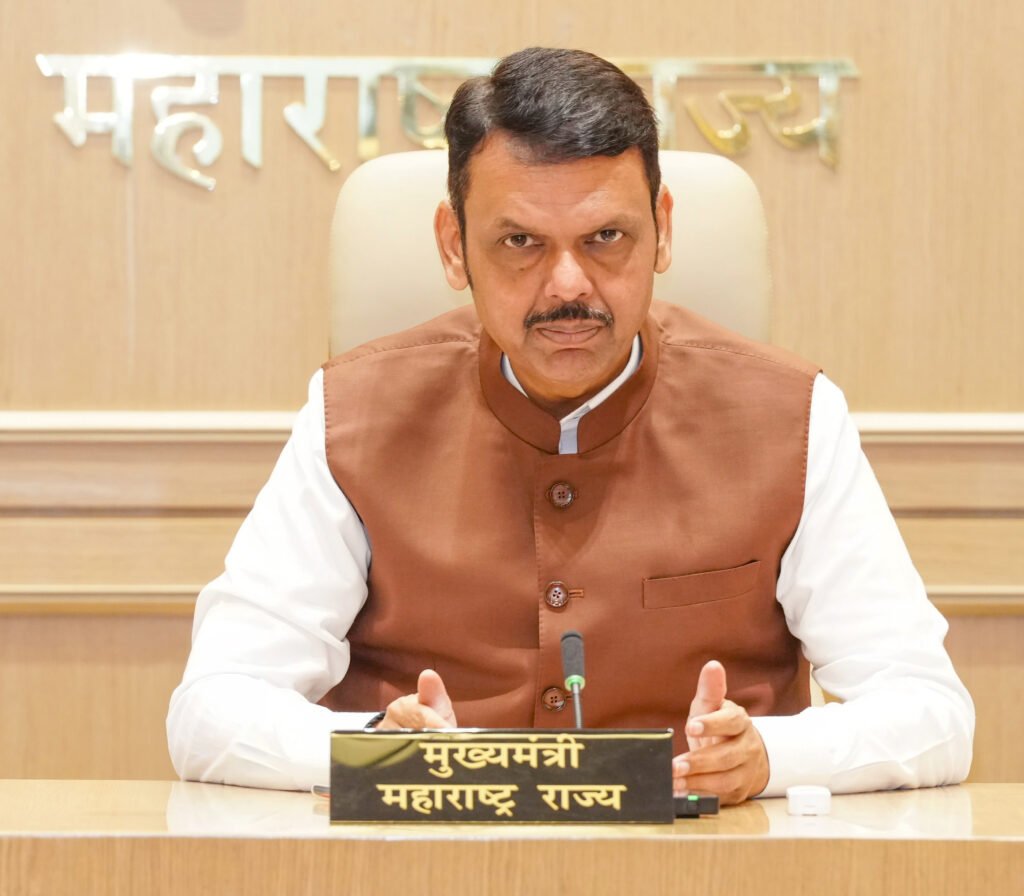
Mumbai, October 2026 : Maharashtra Chief Minister Devendra Fadnavis has emphasised the need for detailed planning to provide employment, foodgrains, drinking water and fodder for livestock to farmers, agricultural labourers and rural residents affected by the drought in the state.
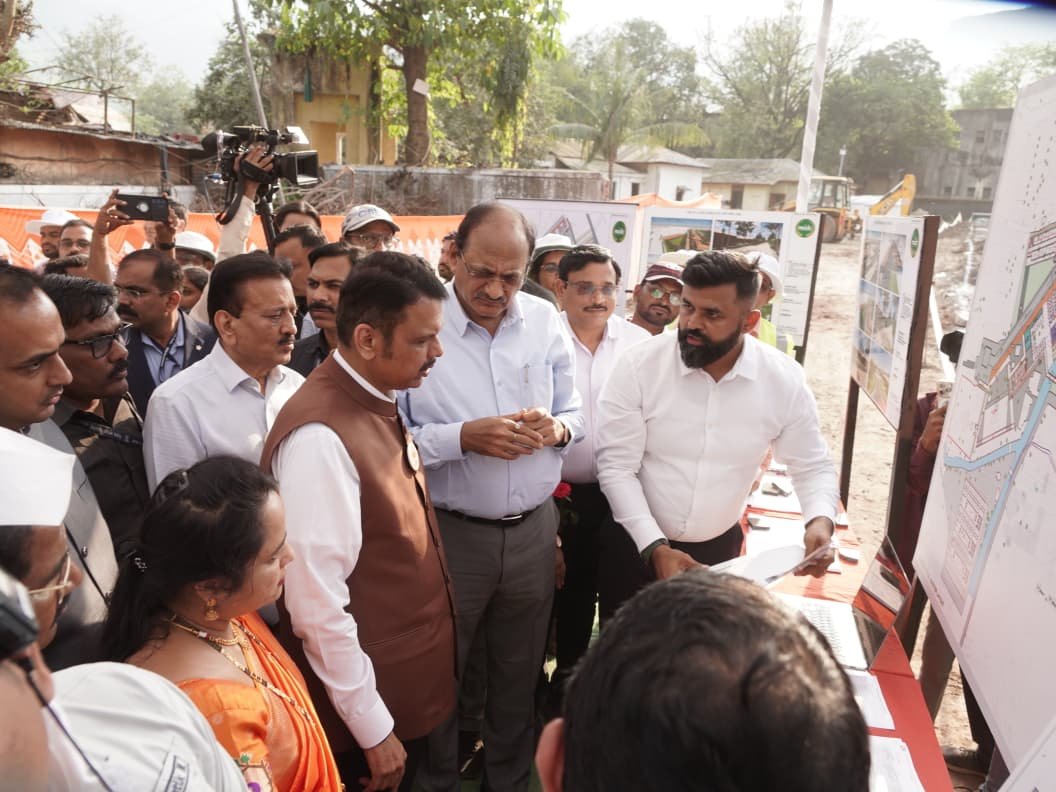
Addressing a meeting with the Central Drought Assessment Team at his official residence, Varsha, on Sunday, Fadnavis said people in drought-hit areas would require sustained support over the next six to eight months. The state government is preparing a comprehensive plan to generate employment, ensure food security, arrange drinking water and provide fodder and water for livestock.
The Chief Minister expressed confidence that the Central team would submit a detailed report on the drought situation to the Union government.
He said the team had undertaken an extensive tour of the affected regions and assessed the ground situation, reaching people at the grassroots level. Its field visits had reassured residents that their difficulties were being understood. The sensitive and comprehensive assessment would help convey the severity of the drought to the Centre, he added.
Maharashtra Disaster Management Minister Girish Mahajan, Agriculture Minister Dattatraya Bharne, Relief and Rehabilitation Minister Makarand Jadhav Patil, and Mukundanand Agrawal, head of the Central Drought Assessment Team and Joint Secretary in the Union government, attended the meeting along with other officials.
Crop losses threaten farmers' livelihoods
Fadnavis said the state had initially expected a record agricultural output after receiving good rainfall during the first two months of the monsoon. However, a nearly two-month dry spell followed when crops were at the flowering stage, severely affecting agricultural production.
Soybean suffered the most extensive damage in several areas, while cotton, tur and sugarcane crops were also affected.
Due to the shortage of water, the prospects for rabi sowing have diminished considerably, leaving farmers with little opportunity to compensate for kharif crop losses through rabi or summer cultivation this year.
The crisis has also affected small farmers who depend on agricultural labour for their livelihood. The state government will therefore extend assistance through employment-generation and food-security schemes, the Chief Minister said.
Drinking water to receive top priority
Although recent rainfall provided some relief to major cities such as Mumbai and Pune, water sources in several other parts of Maharashtra, particularly small villages in rural areas, have dried up.
The government anticipates the need for extensive tanker-based water supply in these regions. It is preparing a technology-driven system to ensure that water reaches every village through a transparent and properly monitored mechanism.
Fadnavis said the first reservation of available water resources had been made for drinking purposes until August 2027. Separate provisions have been made for the drinking-water requirements of people and livestock, and water would be allocated for other uses only after these essential needs were met.
He stressed that the water reservation would be implemented strictly.
Water bodies to be restored
The state government will undertake large-scale desilting, repair and restoration of water bodies through various Central and state government schemes to improve water availability in drought-affected areas.
Fadnavis cited the earlier implementation of water conservation works in 25,000 villages, which had provided relief even when water availability was 15 to 17 per cent below requirements.
The government will use software and mobile applications to ensure transparency in the implementation and monitoring of these projects, he said.
Fodder and water arrangements for livestock
The Chief Minister said fodder stocks in different districts were estimated to be sufficient for approximately 90 to 120 days.
The government plans to increase fodder production in watershed areas where adequate soil moisture remains. Available fodder will be procured at government-declared rates and stored for distribution when required.
If necessary, the state will also explore procuring fodder from other states that have received good rainfall.
Fadnavis said fodder camps and cattle camps would be established wherever necessary to protect livestock from the effects of the drought.
He added that rural residents would be involved in water conservation projects, including the repair of existing structures and construction of new ones under the watershed development approach of working from the upper reaches to the lower reaches of catchment areas.
These projects would serve the dual purpose of improving water conservation and generating employment in villages, thereby providing much-needed relief to rural communities.
State to submit detailed assessment to Centre
Fadnavis said the state government would submit a comprehensive and precise memorandum based on verified data and the criteria prescribed by the Union government.
He confirmed that the Union Agriculture Minister had contacted the state regarding the submission of an advance memorandum, which had subsequently been provided.
The Union Home Minister had also assured the state that an inter-ministerial group meeting would be convened soon to expedite the process of providing assistance.
Regarding crop insurance, the Chief Minister acknowledged that coverage remained relatively low. However, the state government would work with the Centre to ensure that farmers who had obtained insurance coverage received their benefits at the earliest.
Officials brief Central assessment team
During the meeting, senior state government officials presented updates on the drought situation and outlined measures being undertaken by their respective departments.
Those present included Additional Chief Secretary for Relief and Rehabilitation Vinita Ved Singhal; Additional Chief Secretary for Revenue Vikas Kharge; Additional Chief Secretary for Water Supply Parag Jain Nainutia; Principal Secretary for Cooperation and Marketing Praveen Darade; Principal Secretary for Water Resources Eknath Dawale; Agriculture Secretary Parimal Singh; Employment Guarantee Scheme Secretary Appasaheb Dhulaj; Water Conservation Secretary Jitendra Papalkar; Animal Husbandry Commissioner Dr Kiran Patil; and Principal Chief Conservator of Forests M. Srinivas Rao.
The Central assessment team, led by Mukundanand Agrawal, shared its observations from field visits across drought-affected areas.
Chief Minister's Principal Secretary Dr Shrikar Pardeshi, Environment Secretary Jayshree Bhoj, Agriculture Commissioner Suraj Mandhare and other senior officials also attended the meeting.
Earlier, three Central government teams visited drought-affected villages in Ahilyanagar, Solapur, Jalna, Beed, Dharashiv, Washim and Yavatmal districts. They inspected agricultural fields and water sources, assessed local conditions and interacted directly with farmers to understand the extent of the damage and the challenges faced by rural communities.