* Advance mobilisation of water tankers, identification of vulnerable water sources and deployment-ready restoration teams to ensure uninterrupted drinking water supply
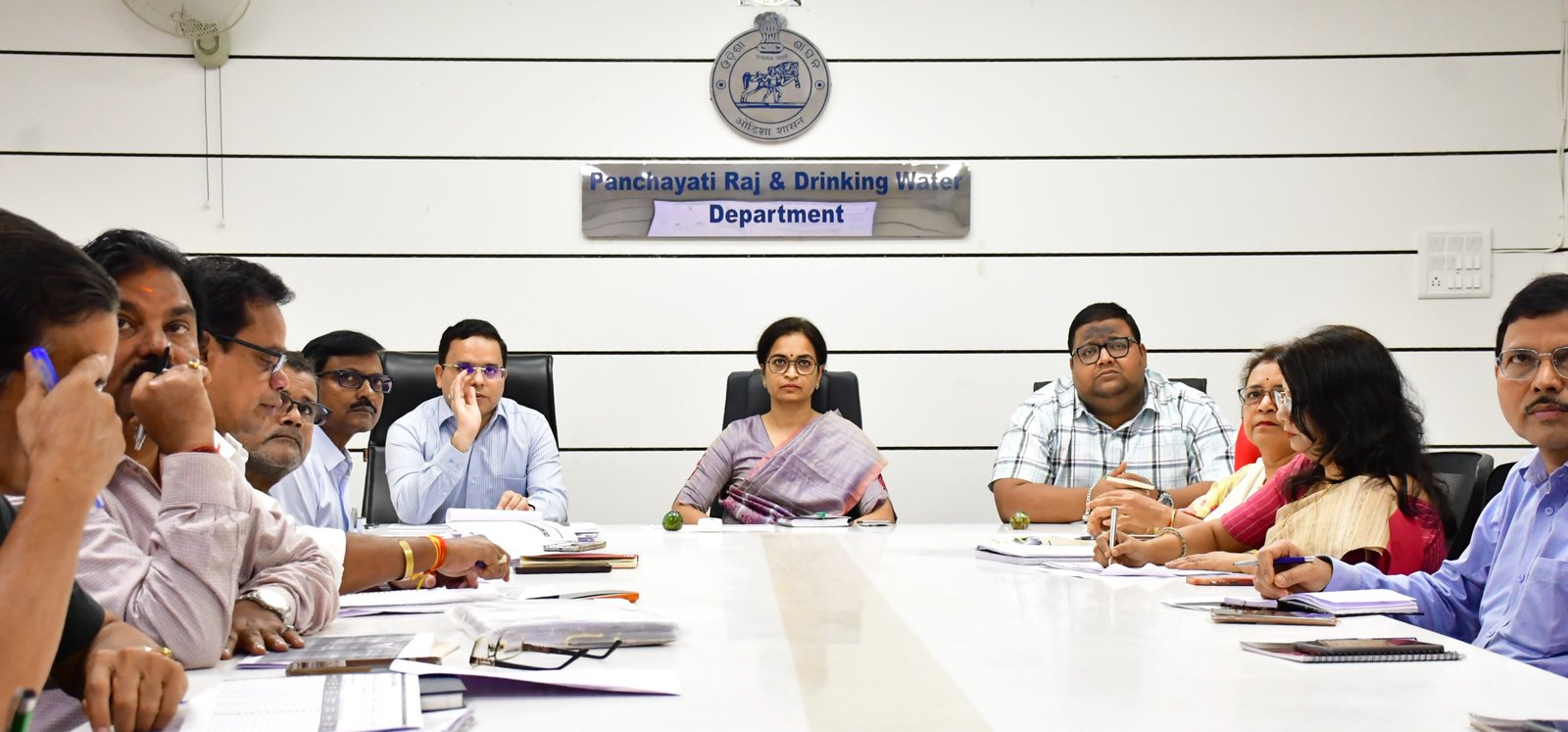
Bhubaneswar, November 2026 : The Panchayati Raj & Drinking Water Department has stepped up its preparedness in view of the impending Cyclone AKVAN and the possibility of intense rainfall, with comprehensive arrangements being put in place to ensure drinking water security in vulnerable and potentially inaccessible areas. Chairing a preparedness review meeting, Commissioner-cum-Secretary Roopa Mishra emphasised the need for preparedness beyond the anticipated requirements and ensuring that all field-level arrangements are in place well ahead of the cyclone.
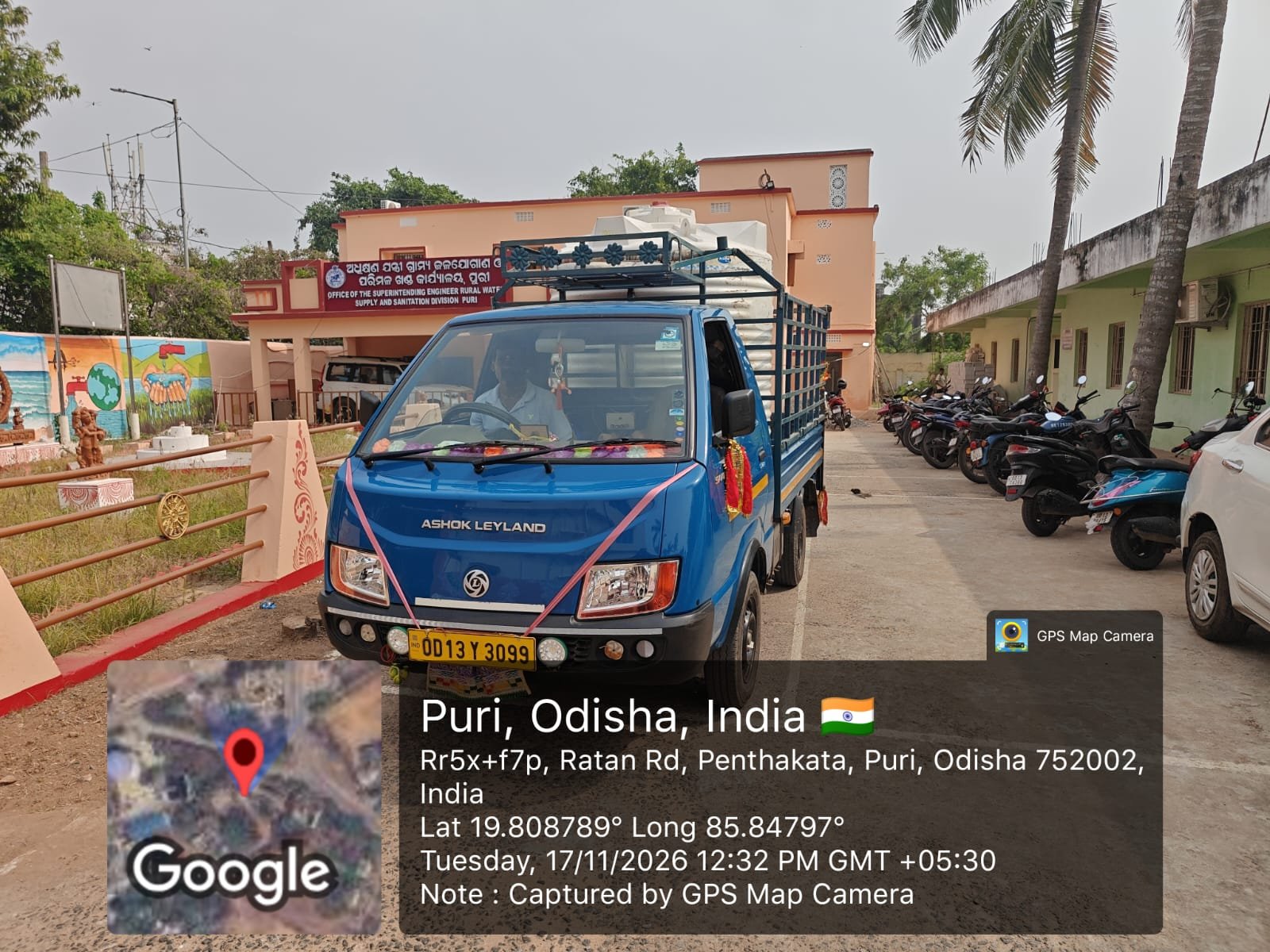
As part of its advance preparedness, the department has initiated the identification and mapping of vulnerable tube wells and drinking water sources that may be affected by heavy rainfall and flooding. With soil moisture levels already high due to previous rainfall, special attention is being given to areas susceptible to waterlogging and disruption. Water tankers are being strategically mobilised based on the vulnerability assessment to ensure the nearest possible access to affected habitations.
The department is also making arrangements for the availability of drinking water, water for daily household requirements and cooking purposes in vulnerable locations. Tankers that have already started moving towards vulnerable areas will be stationed at Gram Panchayat or suitable panchayat-level hubs to serve clusters of nearby villages, particularly in inaccessible pockets. Loading points for drinking water tankers are being identified and maintained safe for consumption, to facilitate uninterrupted operations.
Coordination with District Administrations is being strengthened to assess local requirements and ensure timely response. Arrangements are also being made to maintain the functionality of toilets in cyclone shelters in coordination with block-level representatives and Panchayati Raj Institutions. Community-level preparedness and dry-run exercises are being undertaken to familiarise local teams with emergency response arrangements.
The department is adopting an enhanced resource assessment approach, factoring in up to three times the anticipated requirement to meet emergency needs. Essential materials, including bleaching powder, drinking water bottles, water tankers, Sintex tanks, DG sets and mobile water treatment units, are being strategically positioned at different levels. Adequate arrangements are also being made to safeguard pre-positioned materials against possible cyclone damage.
For immediate restoration of services, dedicated PR&DW restoration teams are being kept ready across vulnerable districts. Disinfection of drinking water sources and water quality testing have been accorded the highest priority in the department's response plan. Intensive testing and disinfection exercises are being planned to ensure that water sources are safe before supply is restored. Drawing on experiences from previous cyclones, the department is also mapping post-disruption movement routes and alternative arrangements to ensure the delivery of safe drinking water to habitations even when road connectivity is affected.
The meeting was attended by Director Drinking Water Dr. Vineet Bharadwaj , Director Special Projects Shri Sidharth Shankar Swain, and other senior departmental officials.