Pearl millet to be procured in 33 districts, maize in 25 districts and sorghum in 13 districts
Proposed procurement target of 2.20 lakh metric tonnes of pearl millet, 50 thousand metric tonnes of sorghum and 15 thousand metric tonnes of maize
Minimum support price fixed at Rs. 4,073 per quintal for sorghum (Maldandi) and Rs. 4,023 per quintal for sorghum (hybrid)
Minimum support price fixed at Rs. 2,900 per quintal for pearl millet and Rs. 2,410 per quintal for maize
Chief Minister Yogi Adityanath directs that farmers be paid within 48 hours
Lucknow, October 2026 : Under the Kharif Marketing Year 2026-27, procurement of ‘Shree Anna’ (coarse grains) will continue until December 31. According to Food and Civil Supplies Minister Manoj Kumar Pandey, the minimum support price has been fixed at Rs. 4,073 per quintal for sorghum (Maldandi), Rs. 4,023 per quintal for sorghum (hybrid), Rs. 2,900 per quintal for pearl millet and Rs. 2,410 per quintal for maize, all of which are included under ‘coarse grains’.
Chief Minister Yogi Adityanath has directed that payments to farmers be made within 48 hours. Payments will be made directly into the farmers’ Aadhaar-linked bank accounts. Farmers can seek assistance with any issues by calling the toll-free number 18001800150. In addition, they can contact the District Food Marketing Officer, Regional Marketing Officer or Marketing Inspector.
To prevent middlemen and ensure transparency, procurement of coarse grains at procurement centres will continue, as before, through biometric verification of farmers using e-PoP (Electronic Point of Purchase) devices.
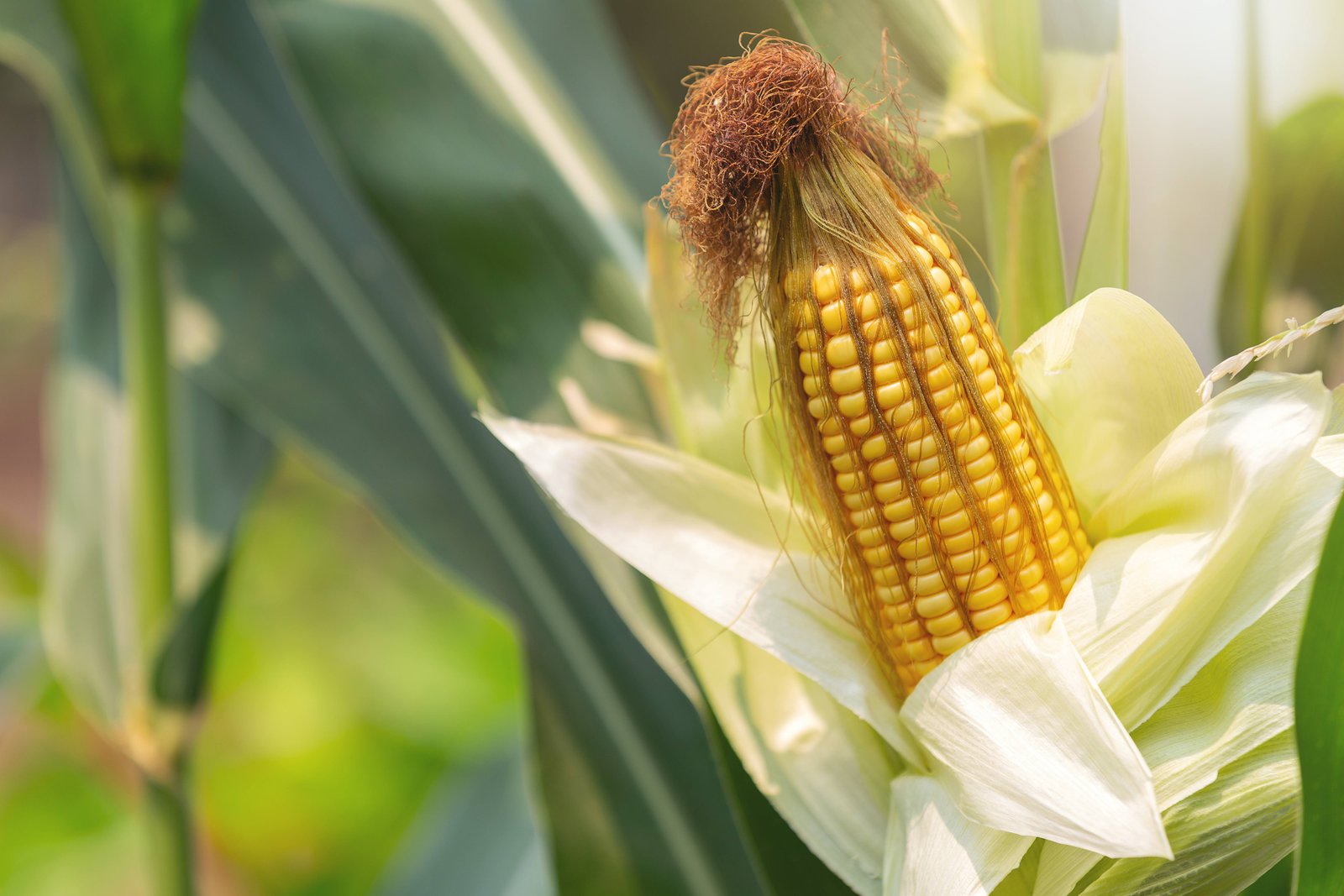
Maize will be procured in 25 districts. These districts are Bulandshahr, Budaun, Hardoi, Unnao, Mainpuri, Agra, Firozabad, Aligarh, Etah, Kasganj, Hathras, Kanpur Nagar, Kanpur Dehat, Etawah, Auraiya, Farrukhabad, Kannauj, Bahraich, Gonda, Deoria, Ballia, Jaunpur, Mirzapur, Sonbhadra and Lalitpur.
Procurement will be carried out in Bulandshahr, Rampur, Sambhal, Amroha, Bareilly, Budaun, Shahjahanpur, Hardoi, Unnao, Agra, Mathura, Firozabad, Mainpuri, Aligarh, Etah, Kasganj, Hathras, Kanpur Nagar, Kanpur Dehat, Etawah, Farrukhabad, Auraiya, Kannauj, Ballia, Jaunpur, Ghazipur, Mirzapur, Prayagraj, Kaushambi, Fatehpur, Jalaun, Chitrakoot and Hamirpur (a total of 33 districts).
Sorghum will be procured in Banda, Chitrakoot, Hamirpur, Mahoba, Kanpur Nagar-Dehat, Fatehpur, Unnao, Hardoi, Mirzapur, Jalaun, Jhansi and Firozabad.
Total procurement centres
Pearl millet - 300 procurement centres
Sorghum - 80 procurement centres
Maize - 75 procurement centres
Procurement target
Pearl millet procurement - 2.20 lakh metric tonnes
Sorghum procurement - 50 thousand metric tonnes
Maize procurement - 15 thousand metric tonnes.
Building map approvals to be simplified in Industrial Development Authorities
Yogi Cabinet approves Model Building Regulations, 2026 to boost investment and the real estate sector
The process of building map approvals and plot approvals in areas under industrial development authorities in Uttar Pradesh will now become simpler, more transparent and citizen-friendly. At a Cabinet meeting chaired by Chief Minister Yogi Adityanath, the implementation of the Model Building Regulations, 2026 for Industrial Development Authorities in Uttar Pradesh was approved.
The move is considered significant in accelerating urban expansion, infrastructure development and private investment, in line with the state's goal of achieving a one-trillion-dollar economy. The new regulations will streamline the approval process for building and plot maps and ensure better utilisation of valuable land suitable for development.
The regulations will encourage private investment across various sectors, including manufacturing, tourism, IT/ITeS, logistics, healthcare, education and real estate. Along with increasing the availability of quality residential units, they will also accelerate planned urban development.
The expansion of investment and real estate activities is expected to generate new employment opportunities, further strengthening ease of doing business and economic growth.