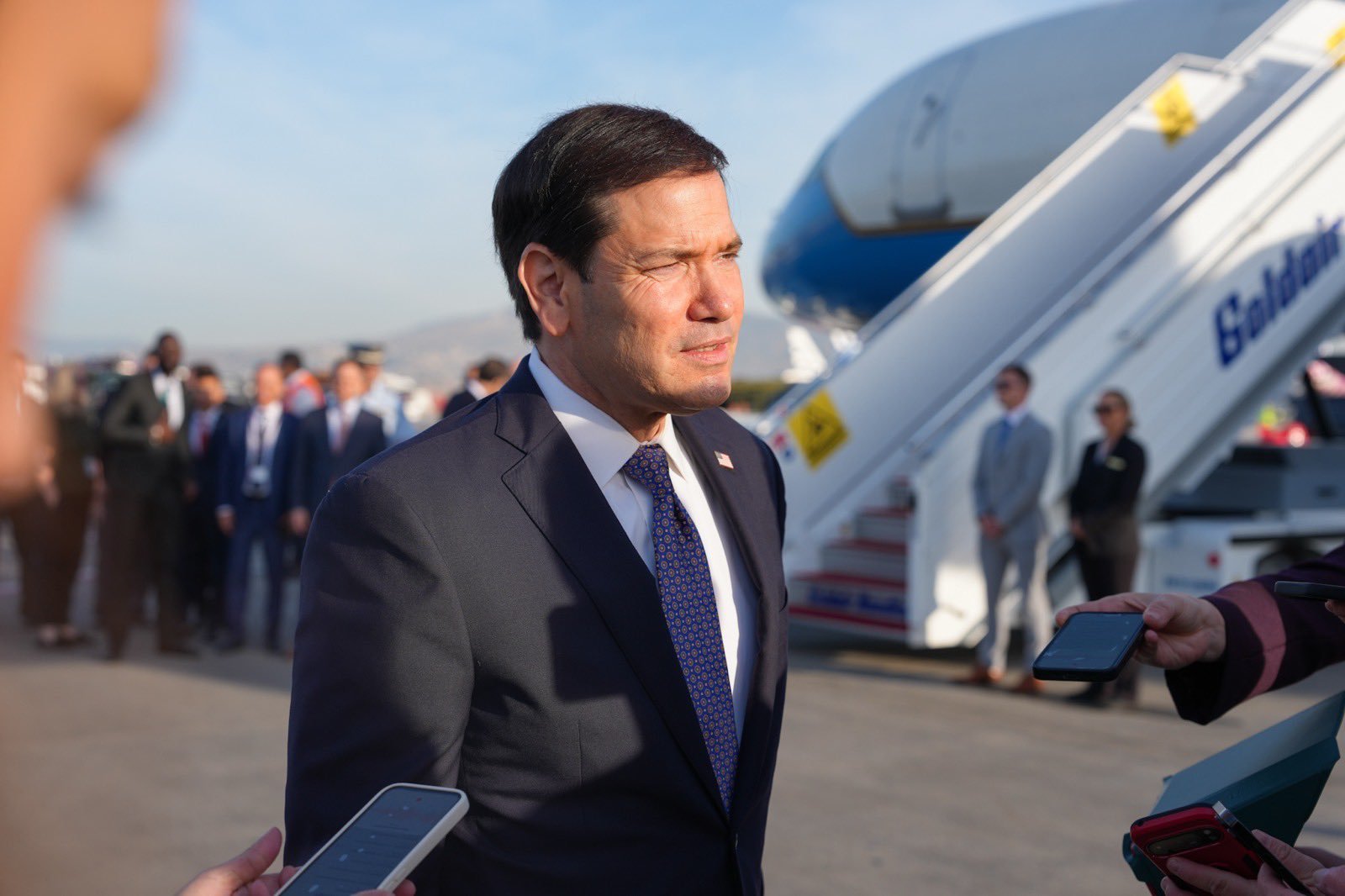
New Delhi, Oct 2026 : The United States is close to finalising a trade agreement with India, US Secretary of State Marco Rubio said on Monday, signalling progress in negotiations ahead of his visit to the country on Tuesday. Rubio also linked Washington’s decisions on sanctions waivers and energy supplies to broader trade and national security considerations.
“We are trying to finalise a trade deal with India right now. We are very close to doing that,” Rubio said while speaking during his visit to Central Asia.
His remarks come as New Delhi and Washington work towards concluding the first phase of a bilateral trade agreement, with market access for agricultural products, particularly dairy, reportedly remaining a major point of contention.
Rubio also addressed the US administration’s approach to Russian oil and gas purchases, explaining that Washington had been required to grant sanctions waivers in recent months because of their potential impact on global energy supplies and prices.
“We have had to waive sanctions over the past few months because of the impact on global supplies and prices,” he said, adding that governments had to balance several economic, geographical and strategic considerations when formulating foreign policy.
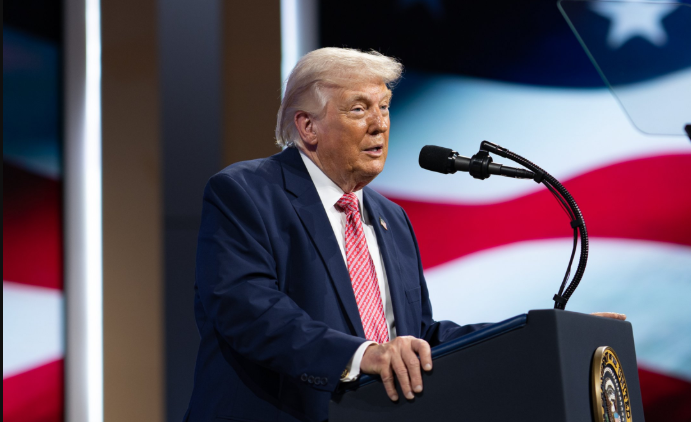
The Secretary of State said the progress of trade negotiations with India was among the factors considered when President Donald Trump made decisions regarding national security waivers.
“Every country has a complex set of factors that it has to take into account. Geography is real. For some countries, it's very difficult to acquire energy from alternative sources. That's not an excuse, but all of that has to be balanced when making foreign policy,” Rubio said.
Tariffs and Market Access at the Centre of Talks
The proposed trade agreement seeks to provide more predictable and favourable tariff conditions for Indian exports to the US in exchange for expanded access for American goods in the Indian market.
Under a framework announced in February, the United States reduced its reciprocal tariff on Indian goods from 25 per cent to 18 per cent and removed an additional 25 per cent duty linked to India's purchases of Russian oil.
In return, India committed to eliminating or reducing tariffs on selected US industrial goods and agricultural products, including tree nuts, fruit, soybean oil, wine and spirits.
However, negotiations have faced challenges over the extent of access to India's agricultural market. Dairy products have emerged as a particularly sensitive issue, reflecting the differences between the two sides over market access and domestic economic interests.
Commerce and Industry Minister Piyush Goyal had said that the first tranche of the agreement had been finalised and was undergoing legal drafting. He also stressed that implementation would depend on clarity regarding India's competitive advantage.
External Affairs Minister S. Jaishankar has similarly indicated that the negotiations are approaching a “landing point”, suggesting that the two countries are working towards resolving the remaining differences.
However, US Trade Representative Jamieson Greer said on October 2 that an agreement was not imminent, highlighting the uncertainty surrounding the timeline for concluding the negotiations.
Russian Oil Remains a Key Consideration
Energy policy has remained an important element of the broader India-US relationship, particularly because India continues to purchase Russian crude oil.
Trump recently signed an executive order concerning the Lindsey O. Graham Sanctioning Russia and Iran Act while waiving the application of specified additional tariffs on buyers of Russian oil. The move allows Washington to retain flexibility as it weighs pressure on Moscow against the potential consequences for international energy markets and trade relations.
Rubio's comments indicate that the administration is considering these interconnected issues while pursuing a trade agreement with New Delhi.
India's Exports Show Growth
The negotiations are taking place against a backdrop of strong growth in India's merchandise exports. India's exports rose 23 per cent year-on-year to $44.4 billion in September 2026, while the country's trade deficit narrowed.
A comprehensive trade agreement could provide greater certainty for exporters and businesses on both sides, although its final impact will depend on the agreed tariff levels, market-access provisions and implementation arrangements.
Rubio's visit to India on Tuesday is expected to provide an opportunity for further discussions as both governments work towards completing the initial phase of the agreement. While his remarks suggest that progress has been made, the remaining issues will need to be resolved before a final deal can be confirmed.