Maize Cultivation Planned Across 1,600 Hectares During Rabi Season; Estimated Green Fodder Output of 59,200 Tonnes
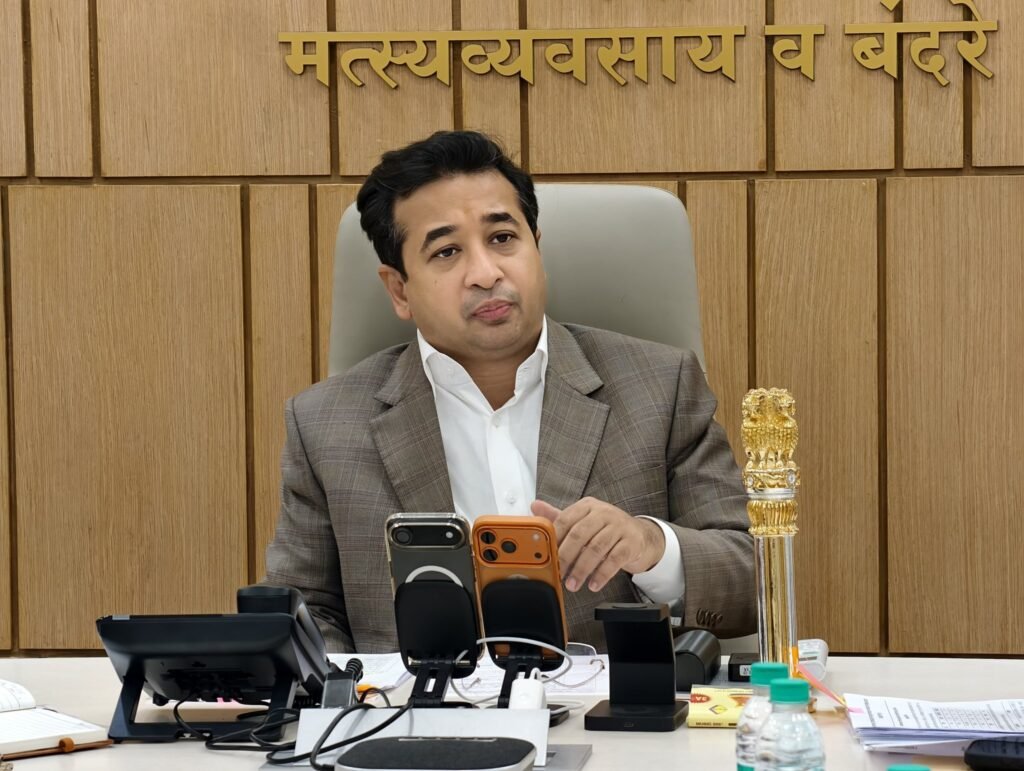
Sindhudurg, October 2026: With the possibility of drought looming, the Sindhudurg district administration is taking steps to ensure adequate fodder availability for livestock. Under the initiative of Guardian Minister Nitesh Rane and the guidance of District Collector Trupti Dhodmise, a comprehensive plan has been prepared to increase green fodder production and protect livestock farmers from potential shortages.
For the financial year 2026-27, the District Planning Committee has sanctioned ₹100 lakh (₹1 crore) for the procurement of green fodder seeds. Maize seeds are being purchased using these funds, with the objective of increasing fodder production during the Rabi season and making approximately 59,200 tonnes of green fodder available.
Although the district has substantial quantities of dry fodder from grasslands and paddy cultivation, the Animal Husbandry Department has drawn up a separate plan to strengthen the availability of green fodder.
Deputy Commissioner of Animal Husbandry Sameer Bilolikar recently submitted details to Guardian Minister Nitesh Rane, who also holds the Fisheries and Ports portfolios, regarding the district's livestock population, fodder requirements, existing fodder sources and preparations for fodder production during the upcoming Rabi season.
Sindhudurg Has 1.71 Lakh Livestock
According to the Animal Husbandry Department, Sindhudurg district has a total livestock population of 171,719. This includes 74,277 cows, 44,100 buffaloes, 16,142 young calves, and 37,200 goats and sheep.
The combined population of cows, buffaloes and young calves stands at 134,519.
The administration is working to ensure an adequate year-round supply of green fodder by making effective use of existing resources and expanding fodder cultivation.
Daily Fodder Requirement Estimated at 837.2 Tonnes
The district's livestock requires approximately 837.2 metric tonnes of fodder every day, taking the monthly requirement to around 25,116 metric tonnes.
According to the department's estimates, by June 2027, approximately 192,000 metric tonnes of fodder will be required for larger livestock, while goats and sheep will need 8,928 metric tonnes.
The department has estimated the combined requirement for the period at 200,928 metric tonnes.
Forests, Paddy Fields and Fallow Land to Support Fodder Supply
The administration has assessed the potential availability of fodder from forests, paddy fields, fallow land, field boundaries and agricultural crop residues.
The estimated contributions from these sources are:
Forest areas: 39,000 metric tonnes.
Paddy cultivation: 137,500 metric tonnes.
Fallow land: 125,000 metric tonnes.
Field boundaries: 75,000 metric tonnes.
In addition, cereals and pulses are expected to contribute 650 metric tonnes, oilseed and vegetable crops around 460 metric tonnes, and sugarcane approximately 2,740 metric tonnes of fodder.
Taking these sources together, the department estimates that the district has approximately 380,000 metric tonnes of fodder available.
After meeting the district's requirements, dry fodder will also be distributed to other drought-affected regions in accordance with the Guardian Minister's directions.
₹1 Crore Allocated for Maize Seeds
The District Planning Committee has sanctioned ₹100 lakh for green fodder seeds for 2026-27. The funds are being used to procure maize seeds, with the primary objective of expanding green fodder cultivation during the Rabi season.
According to the department, 75,000 kilograms of maize seeds have been received. Based on a seed requirement of 45 kilograms per hectare, maize cultivation is planned across 1,600 hectares.
The department expects this cultivated area to yield approximately 59,200 tonnes of maize fodder, significantly supporting green fodder availability for the district's livestock.
Focus on Livestock Protection Amid Drought Concerns
In view of the possibility of drought, the Animal Husbandry Department is focusing on increasing green fodder production, utilising available dry fodder and local resources, and ensuring that livestock receives adequate feed.
The maize fodder initiative, supported by the ₹1 crore allocation and undertaken at the initiative of Guardian Minister Nitesh Rane, is expected to provide important support to livestock owners in Sindhudurg and strengthen the district's preparedness for potential fodder shortages.