
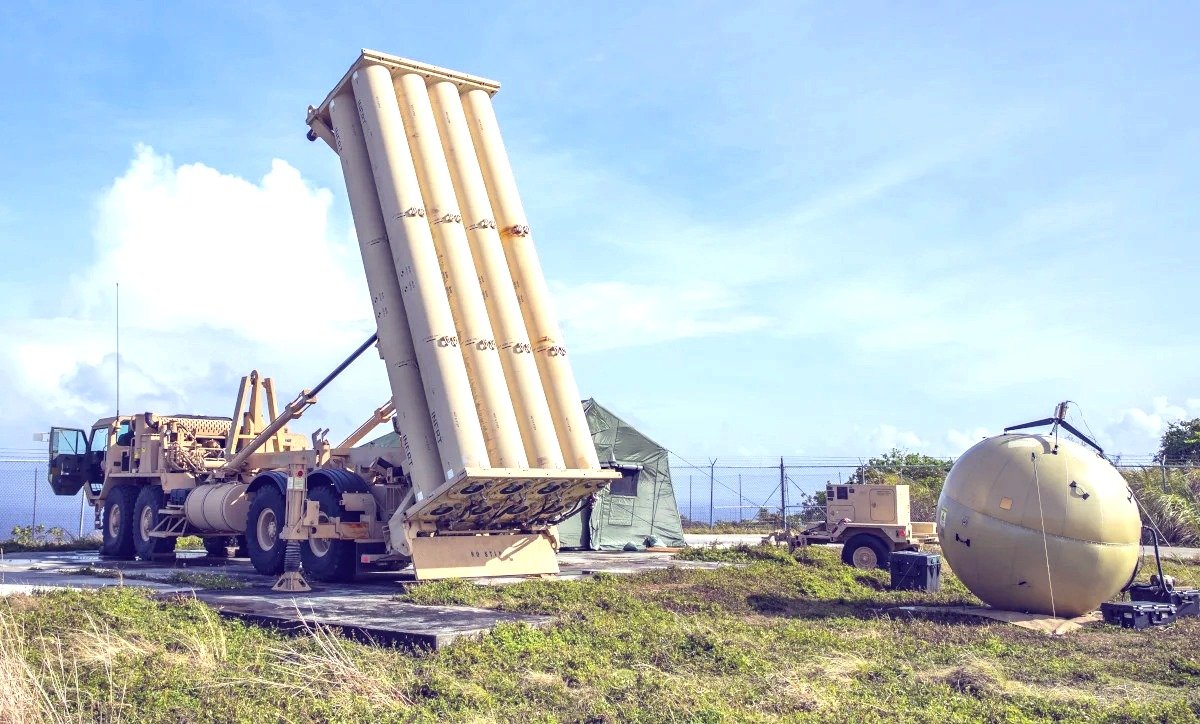
Washington DC; October 2026: US Missile defence readiness is entering a critical strategic phase after the estimated stock of Patriot interceptors declined to between 759 and 827 units, while the inventory of Terminal High Altitude Area Defence (THAAD) shrank to about 234 to 278 interceptors by the end of July 2026. The shrinkage reflects intensive deployment throughout Operation Epic Fury that began at the end of February 2026, before additional spending after the 08th April 2026 ceasefire failed to sustain turning a regional air defence campaign into a problem of force distribution globally.
Mark F. Cancian, Senior Advisor at the Department of Defence and Security, together with Chris H. Park, Research Fellow, estimated the range based on public budgets, procurement records, reported usage, shelf life and estimated losses during training rather than confidential inventory data.
Based on their recalculations, the pre-war Patriot inventory was estimated to have numbered nearly 2,330 interceptors before declining to about 1,030 during the April armistice and thereafter to only 759 to 827 units, equivalent to a shrinkage of about 65% before the outbreak of any new major crisis.The estimated Patriot inventory includes primarily the PAC-3 Missile Segment Enhancement (PAC-3 MSE) as well as earlier variants of the PAC-3, while older PAC-2 ammunition is sometimes calculated separately or excluded, resulting in numerical comparisons needing to distinguish ballistic threat interceptors from air defence missiles for broader missions.
Depth of storage is critical because ballistic missile defence typically relies on a combat policy that allocates multiple interceptors against a single dangerous target, causing the seemingly large national inventory to shrink rapidly as bases face repeated, complex or hard-to-identify attacks.
With supplies increasingly limited, commanders may launch fewer interceptors against each threat, not attack weapons that are rated less dangerous or low-impact, and receive controlled damage when stockpiling provides greater operational value than defending individual targets.That consideration increases the risk because threats that are initially judged to be non-critical can still penetrate defences, kill personnel, or damage infrastructure, while reducing the number of interceptors per target can lower the probability of success when an attacker combines ballistic missiles, cruise missiles, and drones.
THAAD's inventory showed a distinct but equally alarming pattern of depreciation as it declined from about 452 interceptors before the war to 232 to 262 units during the armistice and 234 to 278 units afterward, although the true rate of shortages is difficult to ascertain due to fundamental differences in calculations involving consumption throughout 2025. THAAD faces more serious constraints because its small absolute inventory needs to support top-layer ballistic missile defence missions without an easily obtainable equivalent replacement, making each interceptor strategically valuable and each battery placement affecting protection in other locations in the global military posture.
THAAD's effectiveness also depends on the limited AN/TPY-2 radar, with some 13 units reported to have been delivered to the United States, while the possibility of damage, loss or transfer of the radar remains uncertain and could limit the scope of operational interception regardless of the number of interceptors available. The US Navy's Standard Missile interceptor cannot automatically close the gap because warships may be too far away from a threatened land base, causing maritime geometry, ship availability and other missions to be a real constraint to the ballistic missile defence coverage of the field of operations.
Iran's lower launch rate after the opening phase of Operation Epic Fury has eased immediate deployment pressures, but the relief relies on the tempo of the opponent's attack rather than the recovery of US capabilities, resulting in a large-scale, high-intensity strike capable of testing rapidly dwindling stocks.
The Patriot and THAAD batteries recorded high but imperfect interception rates against Iranian ballistic missiles and drones, thus allowing the United States and its allies to continue, but some of the threats that managed to penetrate the defences still resulted in casualties and extensive damage to military bases. The use of interceptor missiles during the Israeli-Iranian conflict in 2025 has already reduced existing stockpiles before the 2026 campaign accelerates the rate of deployment, particularly in the early stages when Iran's massive offensive triggered the highest demand for high-tech kinetic interceptors.
As the figures are based on open-source estimates rather than official inventory disclosures, the actual number of interceptors, operability rates, war stockpile allocations and pre-settlement stock positions may differ significantly, thus demanding a balanced scrutiny of the claims of optimistic preparedness or the worst-case depreciation picture.
As stated in the beginning – Mark F. Cancian and Chris H. Park had warned that dwindling stocks "may force the United States and its allies to take greater risks in carrying out interceptions", thus signaling a doctrinal shift from maximizing defence probabilities to preserving a limited supply of interceptors in the face of prolonged attacks. The main concern is not that US defences have run out of interceptors, but rather that every action now carries opportunity costs across West Asia, Ukraine and the Western Pacific, especially when a simultaneous missile crisis has the potential to overwhelm production, transportation and asset deployment capabilities
Logistical footprints are now just as important as radar performance or interceptor speed because missiles that can only be produced a few years later are not capable of restoring current readiness, while launchers, AN/TPY-2 radars, trained crews and stationed stocks accurately determine the effectiveness of the remaining interceptors in combat.
The shrinkage is changing the combat landscape by narrowing the commander's defence options, weakening resilience in the face of repeated attacks, increasing competition among allies and creating a vulnerability gap several years when China could potentially face a US force already saddled with a debt of high-tech munitions.
WARTIME PRODUCTION COULDN'T RECOVER INTERCEPTOR STOCKS FAST –
Production rates during or in the early stages of capacity increase are estimated to be around 600 to 650 MSE PAC-3 interceptors and about 96 THAAD interceptors per year, a figure that appears large in times of peace but is still insufficient to offset the war-induced shrinkage as operations launch as well as deliveries to allies continue.
The United States' previous procurement of the Patriot averaged only around 225 interceptors per year over a period of time, proving that the limited purchases over the years had created an industrial base unprepared to meet the sudden demand for large-scale ballistic missile defence across several fields of operation.
The framework agreement announced with Lockheed Martin in January 2026 targets an annual capacity of nearly 2,000 Patriot interceptors and 400 THAAD interceptors by 2030, but the plant's planned production capacity should not be equated with an operational inventory that can be delivered immediately.
Another major PAC-3 agreement finalised in April 2026 supports efforts to accelerate production, but specialised suppliers, high-energy materials, target-finding components, quality assurance, and final integration processes create a production sequence that cannot be shortened simply through an injection of funds without increasing reliability risks.
The fiscal year 2027 plan calls for about US$95 billion, equivalent to RM380 billion, for ammunition procurement in the defence budget, in addition to an additional war allocation of US$21 billion or RM84 billion to strengthen production and replace stockpiles used during combat. The allocation reflects the level of political emergency and the shift towards "wartime-based" production, but large-scale deliveries typically only begin in 2029 because the complex interceptors ordered now are still tied to the timing of previous hardware, manpower, suppliers and export commitments.
Production periods typically take between 02 years to 04 years, creating a structural mismatch with missile warfare when hundreds of interceptors can be consumed in a matter of weeks, whereas the replacement of the same amount requires several annual budget cycles and manufacturing processes.
THAAD showed the constraints most clearly as new large shipments were reported not to have occurred since mid-2023 based on previous assessments, resulting in inventory recovery depending on production reactivations, limited radar support as well as smaller industrial ecosystems.
About half of Patriot's annual production has traditionally been supplied to the 17 to 18 other countries that operate the system, so any diversion of production to restore US stockpiles simply transfers the risk of readiness to allies rather than resolving fundamental deficiencies. Efforts to restore Patriot and THAAD stockpiles to pre-war levels are projected to take at least three years, while building larger inventories to face wars with equivalent power will take longer, thus extending the period of vulnerability even after production increases have been announced.
Team Maverick.