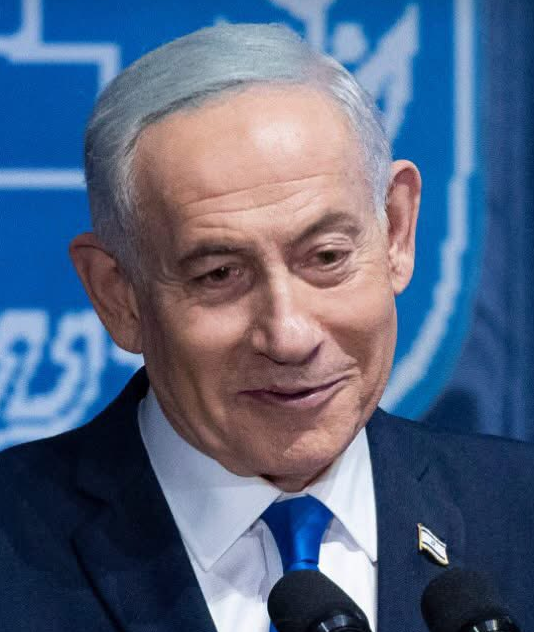
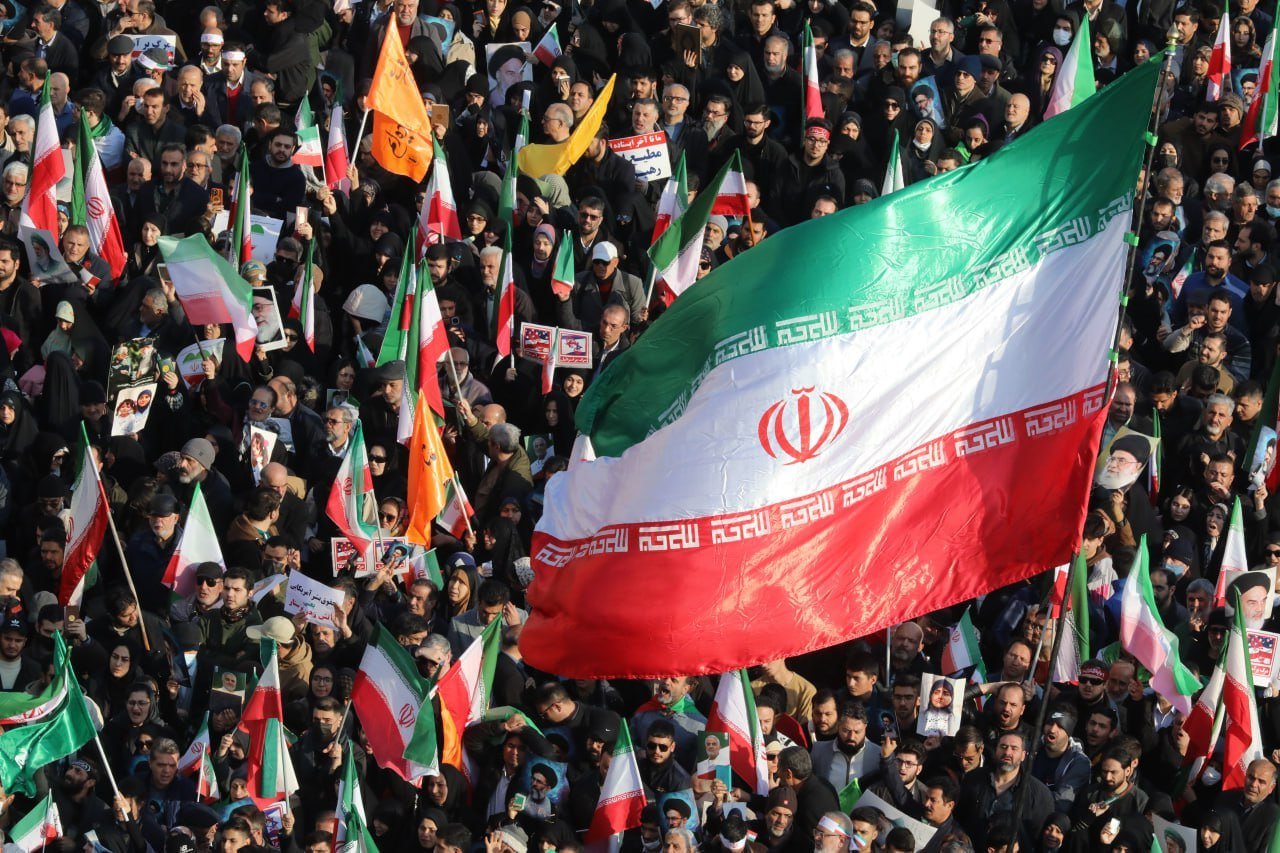
Tehran; October 2026: Iran’s parliament speaker Mohammad Bagher Ghalibaf has named Persian Gulf Data Authority to be the custodian of the data’s lying deep beneath the waters in the Strait of Hormuz.
On the 26th of last month (September 2026), Maverick News 30 had analysed the Iran’s War Doctrine - 07 Of 10 Pillars Have Been Triggered. Yesterday’s announcement asserts the fact that for the past fifty years the Gulf’s hold over the world economy ran through one fact, that much of the oil the world burns must pass through a single strait Iran straddles. The map of data now rhymes with the map of oil. The cables that carry the Gulf’s banking traffic, its cloud computing and the training and serving of its AI models run through the same narrow, shallow water, and whoever can put that passage at risk holds a lever over the regional economy and over the contest between the United States and China to build the next decade of AI on Gulf soil.
Oil through Hormuz is hard to replace in a hurry, because the pipelines that bypass the strait move only a fraction of the volume and even those pipelines are not impossible to secure because of the dangers coming from cheap low altitude drones.Everyone watches the oil in Hormuz, but Iran's new Persian Gulf Data Authority opens a second front on the cables beneath it, and it climbs a ladder of lawfare, cyber, strikes and cut fibre. Iran is now arming the data layer the way it has armed the oil lane for forty years, and it is doing it in rungs, each one pitched below the line of open war and each one reaching a surface the United States and its Gulf partners have only just finished building.
Data is far more fluid, because it reroutes overland through Iraq and Turkey, jumps to satellite constellations, and runs over the new routes the large platforms are already building to climb out from under the chokepoint. A threat to the Gulf’s cables is therefore a squeeze rather than a shut valve. The squeeze still hurts, because the region has built its whole digital economy on this water, the data centres, the sovereign cloud, the payments and the AI it has staked its future on, and a defender has to hold every cable, shore station and server hall at once while the attacker picks the one spot that hurts most.
It arrives as a ladder because each rung stays below a missile in cost and in blame, a jurisdiction claim, a line of code, a drone with no return address or an anchor on the seabed, so Iran can climb slowly while the United States argues over whether an attack even happened and whom to answer.
First Rung - is the legal one, and it is the one already moving. So far, the Persian Gulf Data Authority is a name and a declaration of intent, with no published mandate, no powers and no stated way to enforce them. What it points toward is a claim of “Iranian jurisdiction” over the data crossing its waters, as a coastal state claims a shipping lane, and from there licensing and fees on the cables, a toll on the traffic rather than the tankers. Alongside it Ghalibaf has told the region’s governments, funds and firms to give “no finance, equity, land and energy” to the AI companies he says are aiding the war, a weak lever on its own, because the Gulf states fund that layer and the demand cuts against their own strategy, so no capital moves on his word especially because they are completely sanction economies.
The rung still matters, because a “jurisdiction claim” is how every later rung gets dressed, a cut or an intrusion recast as Iran enforcing a right it announced in advance, and because a marker over the Gulf’s data, even one with no teeth, starts to raise the cost and the legal question of operating there. None of it requires a weapon, which is the point.
Second Rung - cyber on critical infrastructure. The second rung is deniable and already proven, and Iran has a longer record on it than almost any state. The Shamoon wiper erased around thirty thousand machines at Saudi Aramco in 2012, built to destroy data rather than steal it, turning working computers into scrap overnight.
Team Maverick.