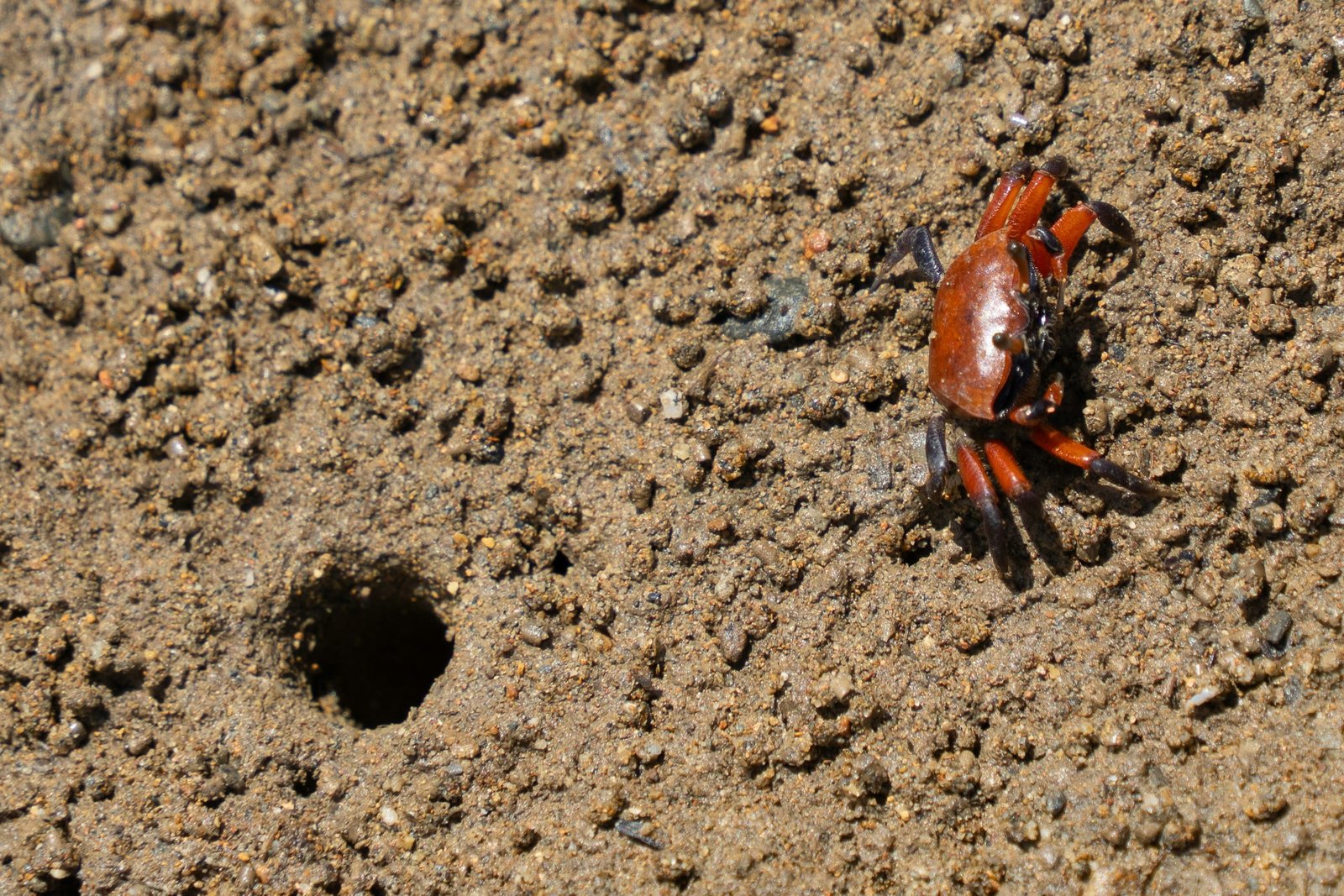
Panaji, Oct 2026 : Goa is exploring the expansion of mud crab farming as an alternative source of income for coastal communities, drawing on a successful aquaculture model in Andhra Pradesh, where farmers earn nearly Rs 68,000 per acre per crop.
The ICAR–Central Coastal Agricultural Research Institute (CCARI), located at Old Goa, is developing a mud crab farming model suited to the state's coastal ecosystem after studying commercial farms in Koduru Mandal of Andhra Pradesh's Krishna district.
According to information accessed by The Goan, a farm budget from the Koduru cluster recorded an operating cost of Rs 1.02 lakh per acre per crop against gross revenue of Rs 1.70 lakh. With a harvest of 160 kg, farmers earned net returns of Rs 67,960, achieving a benefit-cost ratio of 1.67.
The findings highlight the potential of scientific mud crab culture to improve farm incomes and create livelihood opportunities for Goa's coastal population.
Mud Crab Farming Offers Promising Returns
Market prices for mud crabs varied according to size, ranging from Rs 400 per kg for smaller crabs to Rs 1,700 per kg for specimens weighing more than 750 grams.
These price differences offer farmers an opportunity to improve returns through appropriate farming practices, better stock management and access to premium markets.
The Goa government's Financial Assistance Scheme for Setting up Mud Crab Culture Units is expected to support the adoption of scientific crab farming techniques and encourage more beneficiaries to explore aquaculture as an additional income source.
The initiative also aligns with Chief Minister Pramod Sawant's appeal to residents, particularly traditional crab harvesters, to avoid catching and consuming berried female crabs carrying eggs. Protecting these crabs is important for natural breeding, maintaining wild populations and ensuring the long-term sustainability of the fishery.
CCARI to Develop Model for Goa's Coastal Conditions
CCARI plans to develop a farming model tailored to Goa's khazan lands, estuarine banks and mangrove fringes. Demonstration units will be established at the institute's Ela farm and on farmers' fields to assess suitable cultivation techniques and encourage wider adoption.
The programme will focus on practical training for beneficiaries of the state government's assistance scheme, particularly women-led self-help groups, fishing families and rural youth.
The institute also plans to organise farmer clusters to facilitate collective procurement of crab seed and improve marketing opportunities. Connecting producers with hotels, restaurants and businesses in Goa's tourism sector is another key component of the strategy.
Direct market linkages could help farmers secure better prices, reduce dependence on intermediaries and establish a more organised supply chain for locally farmed mud crabs.
The initiative is also expected to bring underused coastal land into productive use, generate rural employment and reduce Goa's dependence on crab supplies from other states.
Climate-Resilient Aquaculture Training in Andhra Pradesh
In a related initiative, CCARI, in collaboration with The Energy and Resources Institute (TERI), conducted a four-day training and awareness programme in Andhra Pradesh on climate-resilient fish farming and financial literacy under an Asian Development Bank-funded project.
The programme covered climate-smart aquaculture, disease prevention, farm management, insurance and financial services to help farmers manage production risks and improve financial planning.
Field visits to farms engaged in Pangasius, seabass, shrimp and crab cultivation highlighted challenges such as poor-quality seed, high temperatures, deteriorating water quality, rising feed costs and marketing constraints.
A total of 146 farmers, including 27 women, participated in the programme.
The findings are expected to guide future training and technical interventions aimed at improving climate resilience and strengthening sustainable livelihoods among smallholder fish farmers.
By combining scientific mud crab farming, financial assistance, farmer training and stronger market connections, Goa aims to develop a more sustainable aquaculture sector while creating new economic opportunities for coastal communities.