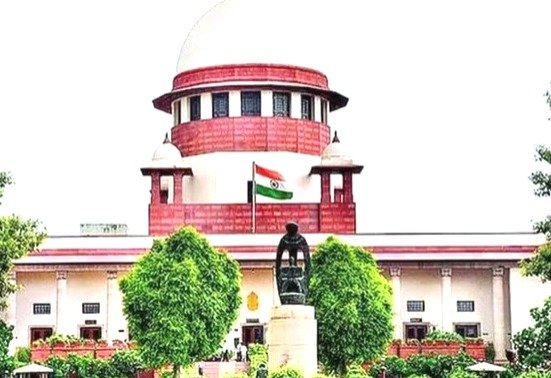
Petition questions whether powers vested in the multi-member Election Commission can be exercised individually; plea cites objections by two Election Commissioners
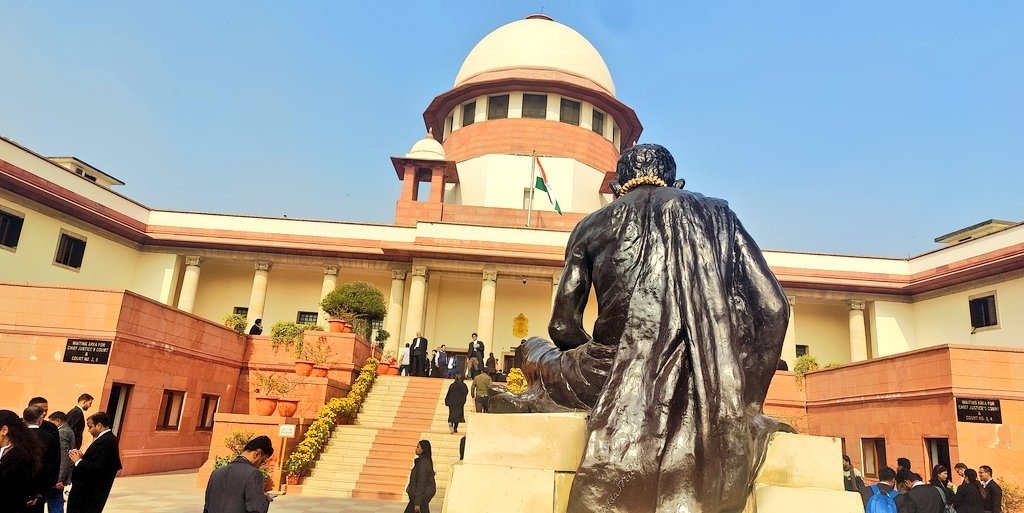
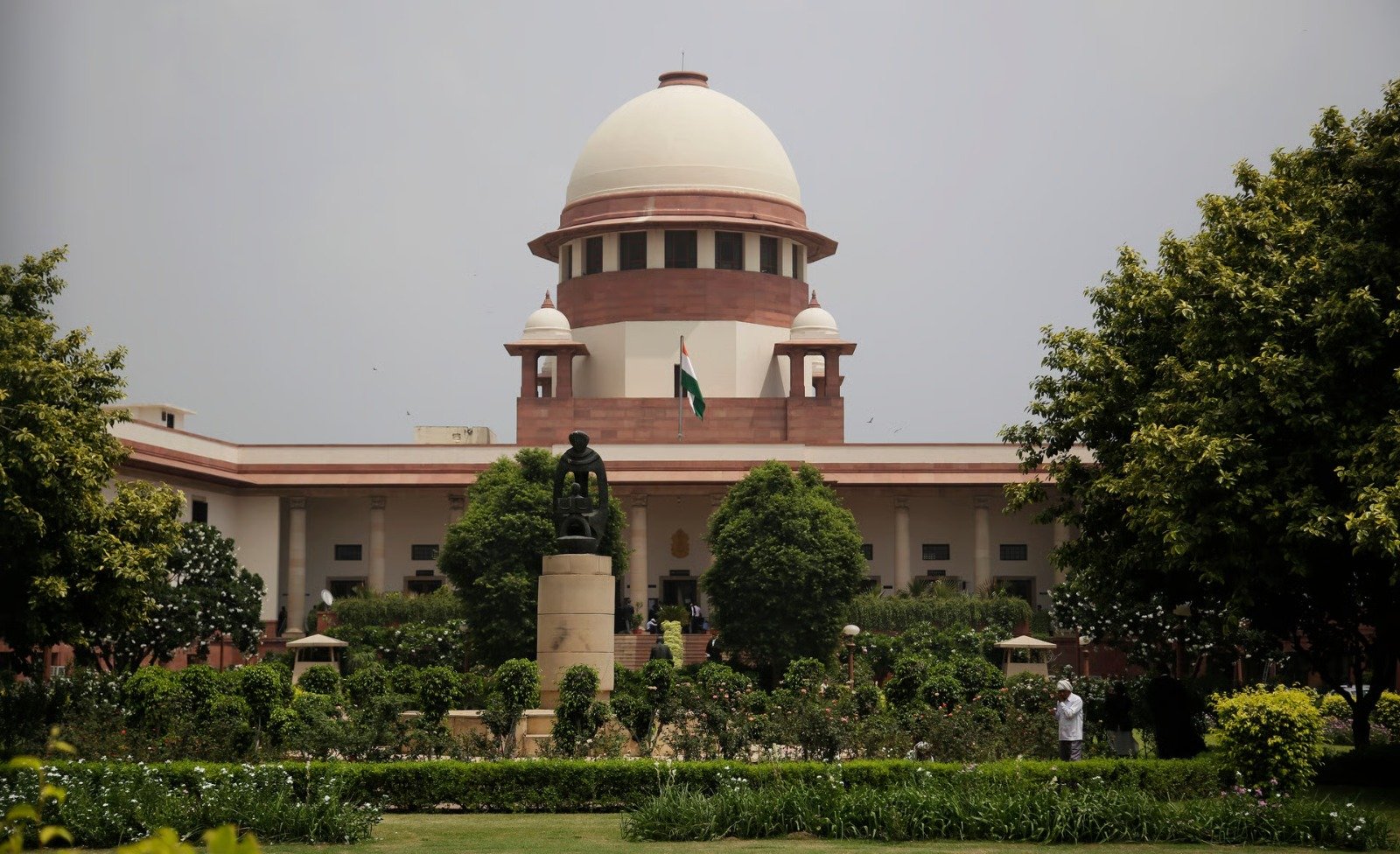
New Delhi, Sept 2026 : The Supreme Court on Tuesday agreed to list next week a fresh petition challenging the manner in which powers of the Election Commission of India (ECI) are being exercised and questioning whether Chief Election Commissioner Gyanesh Kumar can individually exercise or represent powers constitutionally vested in the multi-member poll panel.
The matter was mentioned before Chief Justice of India Surya Kant by senior advocate Vikas Singh. After hearing the request for listing, the CJI said, “List it next week.” The petition raises questions about the ECI’s decision-making process and seeks enforcement of what it describes as the collective framework governing the Commission.
The plea relies on Article 324 of the Constitution, which vests the superintendence, direction and control of elections in the Election Commission. It argues that these powers belong to the Commission as a multi-member constitutional body rather than to the Chief Election Commissioner acting individually.
The petition also refers to Section 18 of the Chief Election Commissioner and Other Election Commissioners (Appointment, Conditions of Service and Term of Office) Act, 2023. The provision states that the Commission’s business should, as far as possible, be transacted unanimously and that matters on which the members differ are to be decided according to the majority view.
A significant part of the petition concerns written communications and file notings attributed to Election Commissioners Sukhbir Singh Sandhu and Vivek Joshi. According to the plea, the two Commissioners recorded at least 14 objections between October 2025 and August 2026 over decisions and administrative steps that they alleged were taken in the name of the ECI without their approval. Similar concerns have been reported in recent accounts of internal ECI deliberations.
The objections cited in the petition cover several aspects of the electoral process, including communications and orders allegedly issued without approval of the Commission, the conduct and recording of meetings, foreign travel, changes to Form 6 used for voter registration, access to the electoral-roll database and appeals filed before tribunals in West Bengal.
The plea also refers to concerns allegedly raised by the two Commissioners over what they described as the “gradual centralisation” of the electoral-roll database and changes in the allocation of work within the poll panel’s information technology establishment. The reported disagreements have emerged amid the wider scrutiny surrounding the Special Intensive Revision of electoral rolls.
The petitioner has sought a declaration that powers vested in the ECI under Article 324 cannot be exercised or represented as an act of the Commission except in accordance with the constitutional and statutory framework. It has also sought mandatory directions requiring adherence to collective decision-making and the production and preservation of relevant records concerning the disputed decisions.
Meanwhile, the Election Commission has maintained that differences or objections among members of a multi-member constitutional body do not necessarily indicate an institutional breakdown. The poll panel has said internal notes and objections are part of deliberative and administrative processes and has maintained that decisions relating to the SIR were taken collectively and unanimously.
The Supreme Court’s consideration of the petition next week is expected to bring judicial scrutiny to the questions raised about the scope of the CEC’s authority, the functioning of the multi-member Commission and the statutory requirements governing its decision-making.