KYIV, Oct 2026 : Ukraine and Russia have signalled their willingness to resume US-brokered peace negotiations, raising hopes of renewed diplomatic efforts to end the prolonged Russia-Ukraine war. However, deep disagreements over territorial claims, security guarantees and the conditions for a ceasefire continue to pose major obstacles to a settlement.
The latest diplomatic push has also included a humanitarian initiative led by US First Lady Melania Trump. In a surprise development on Friday, Kyiv and Moscow agreed to a local ceasefire to facilitate the delivery of humanitarian aid next week to a stranded town in Ukraine’s southern Kherson region, which remains divided by the conflict. The arrangement followed confidential consultations between Melania Trump and civilian negotiators from Russia and Ukraine.
The initiative has raised hopes that limited humanitarian agreements could pave the way for further cooperation. Nevertheless, there has been little indication that either side is prepared to soften its fundamental demands.
Russia continues to seek control over Ukrainian territories it has not fully captured, while Kyiv insists that any peace agreement must include robust security guarantees to prevent another Russian invasion.
The diplomatic developments came amid renewed fighting. Within hours of Russian President Vladimir Putin saying he had agreed “in principle” to restart negotiations, Russia launched a deadly barrage of ballistic missiles and drones on Kyiv. Moscow also claimed that it had destroyed more than 800 Ukrainian drones heading towards Russian cities on the same day.
US-Brokered Peace Talks Expected in November
The latest commitment to negotiations followed diplomatic efforts by US presidential envoy Steve Witkoff, who travelled between Oslo, Norway, and St Petersburg, Russia, this week to meet Ukrainian President Volodymyr Zelenskyy and Putin.
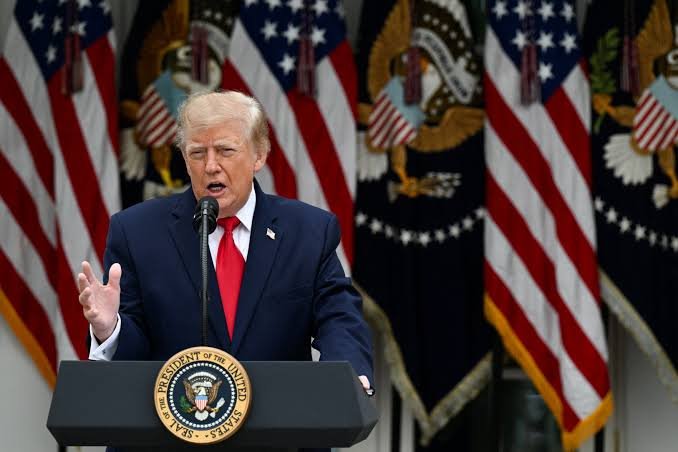
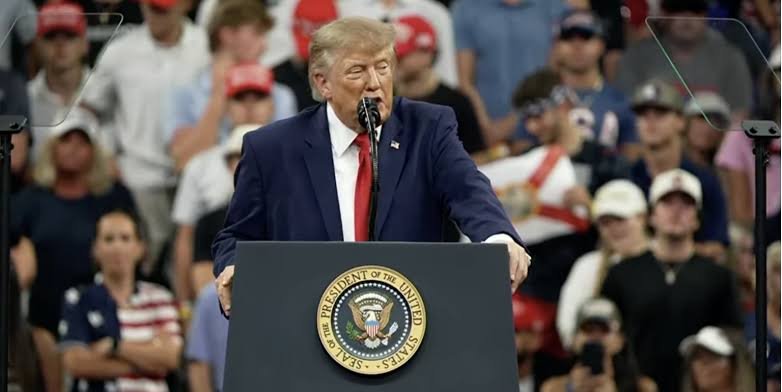
The proposed negotiations would mark the fourth round of talks brokered by the administration of US President Donald Trump, following the previous round in Geneva in February.
A Kremlin spokesperson indicated that the next meeting could take place in Abu Dhabi, the capital of the United Arab Emirates, around mid-November. Western governments supporting the initiative are seeking a new diplomatic formula to break the impasse, although territorial and security issues remain unresolved.
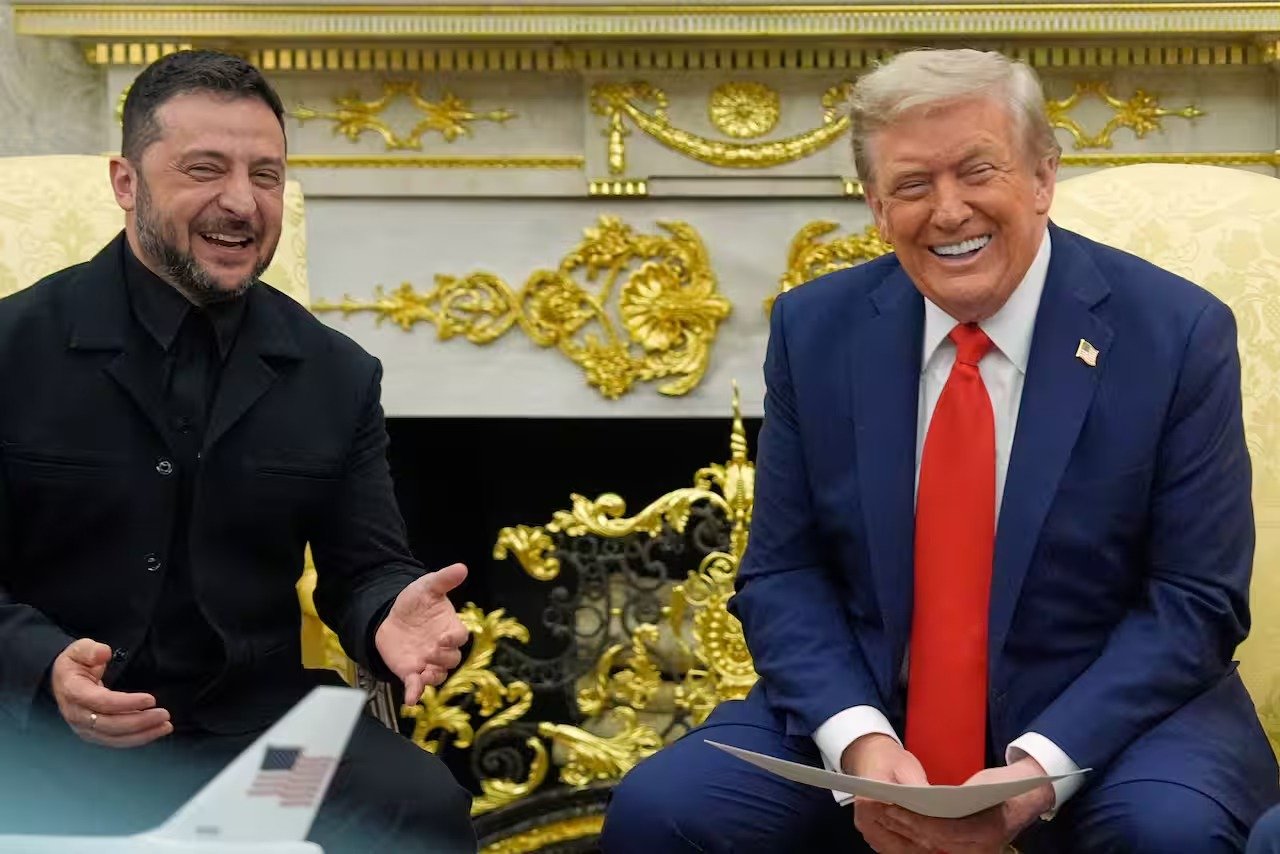
The prospects for negotiations are complicated by deteriorating relations between Trump and Zelenskyy. Moscow has gained confidence following Trump's reported deal for Russia to supply diesel to the United States and his recent rejection of additional sanctions against Moscow.
Kyiv, meanwhile, has faced disruptions to satellite support for its drones after rejecting a call from Trump to halt strikes against Russian oil infrastructure. Ukrainian officials fear that these developments could strengthen Putin's position and reduce Moscow's incentive to compromise.
Trump has increased pressure on Zelenskyy, accusing the Ukrainian leader of obstructing peace efforts. During his engagement with Putin in St Petersburg, Witkoff also secured the release of an American who had been imprisoned for more than four years on charges of fighting as a mercenary in Ukraine. The envoy described Putin as a “humanitarian”, a remark that reportedly caused consternation in Ukraine.
Despite these developments, it remains uncertain whether the proposed talks will produce meaningful progress towards ending the war.
Russia and Ukraine Remain Far Apart on Territorial Demands
Although both governments have indicated a willingness to return to the negotiating table, their positions on the terms of a settlement remain sharply opposed. Their armed forces continue to fight along the front lines, while both countries conduct regular long-range strikes.
A central Russian demand is full control over four Ukrainian regions — Donetsk, Luhansk, Zaporizhzhia and Kherson — which Moscow illegally annexed after launching its full-scale invasion in 2022. Russia also claims Crimea, which it seized in 2014.
Moscow currently occupies approximately 20 per cent of Ukraine but has failed to capture all the territory in the regions it claims as its own.
Beyond territorial demands, Russia wants Ukraine to withdraw its forces from all four annexed regions, abandon its ambition to join NATO, reduce the size of its military and lift restrictions affecting the Russian language and a Moscow-affiliated branch of the Orthodox Church.
Putin reiterated Moscow's stated willingness to negotiate while maintaining that Russia would pursue its military objectives if a settlement could not be reached.
“We remain ready to negotiate and seek solutions to this difficult, complex situation,” Putin said on state television late Thursday, adding that the objectives of what Moscow calls its “special military operation” would be achieved.
Zelenskyy has consistently argued that surrendering Ukrainian territory would leave the country exposed to future Russian attacks. Kyiv maintains that a durable peace must protect its sovereignty and prevent Moscow from restarting hostilities.
The Ukrainian president has advocated a ceasefire that freezes the current front-line positions, followed by negotiations on the conditions for ending the war. Russia, however, has rejected a halt in fighting unless a comprehensive agreement addressing its demands is reached.
Security Guarantees Remain a Major Sticking Point
Security arrangements are among the most difficult issues confronting negotiators. While Ukraine and Russia have maintained limited contact over prisoner exchanges and the return of fallen soldiers, previous negotiations have made little progress on guarantees needed to sustain a peace agreement.
Ukraine considers firm commitments from Western allies essential to preventing another invasion. Kyiv has long viewed NATO membership as a preferred option, but Putin has strongly opposed the prospect, and the Trump administration has ruled out NATO membership for Ukraine under its current approach.
Other proposals include direct security commitments from Washington, European-backed arrangements and continued support for Ukraine's armed forces.
Zelenskyy has described the possibility of US commitments in an “Article 5-like format”. Article 5 of the NATO treaty establishes the alliance's collective-defence principle, under which an armed attack against one member is treated as an attack against all.
Another option involves support from the European-led, 30-country Coalition of the Willing, which has discussed potential arrangements to help safeguard Ukraine.
Kyiv also expects its own military to remain the primary line of defence, supported by sustained financial and military assistance from its partners.
“All of these guarantees are possible on the basis of a strong Ukrainian army — in terms of both numbers and quality — with clear funding, and not a small amount. Our colleagues in Europe and America know this,” Zelenskyy told reporters on Thursday.
The statement highlights Kyiv's insistence that security guarantees must be backed by credible military capabilities and long-term funding rather than diplomatic assurances alone.
Kyiv Calls for Greater Pressure on Moscow
Following the latest attacks on Kyiv and other Ukrainian cities, Zelenskyy argued that stronger Western pressure on Russia would be necessary to change Moscow's approach to negotiations.
The Ukrainian leadership maintains that continued military pressure and economic measures are essential to persuading Russia to accept a settlement that respects Ukraine's sovereignty.
“It is important to keep trying to find the right solutions to end this war,” Zelenskyy wrote in an online post. “But when Russia responds to negotiations with ballistic missiles, real pressure on Russia is needed to bring about different steps — steps toward ending the killing.”
The proposed mid-November talks in Abu Dhabi could provide another opportunity for Washington, Kyiv and Moscow to explore a diplomatic path forward. The local ceasefire in Kherson may also offer a limited test of whether the two sides can cooperate on humanitarian issues despite continuing hostilities.
However, the fundamental disagreements over territory, NATO, military strength and future security guarantees remain unresolved. Without progress on these issues, the willingness to resume talks may not translate into a lasting ceasefire or a comprehensive peace agreement.
For now, the renewed diplomatic initiative offers a possible opening, but the outcome will depend on whether Russia and Ukraine are prepared to reconcile their competing demands while fighting continues on the ground.