Expansion of Irrigation Facilities Helps Farmers Achieve Agricultural Self-Reliance
Irrigated Area Increases from 87,000 to Over 1.13 Lakh Hectares
Raipur, October 2026: Guided by the principles that water is life, water drives development, and every field must receive water to bring a smile to every farmer’s face, the Tandula Water Resources Division in Durg has achieved significant milestones in irrigation development, water conservation, technological innovation and public welfare over the past 25 years since the formation of Chhattisgarh in 2000.
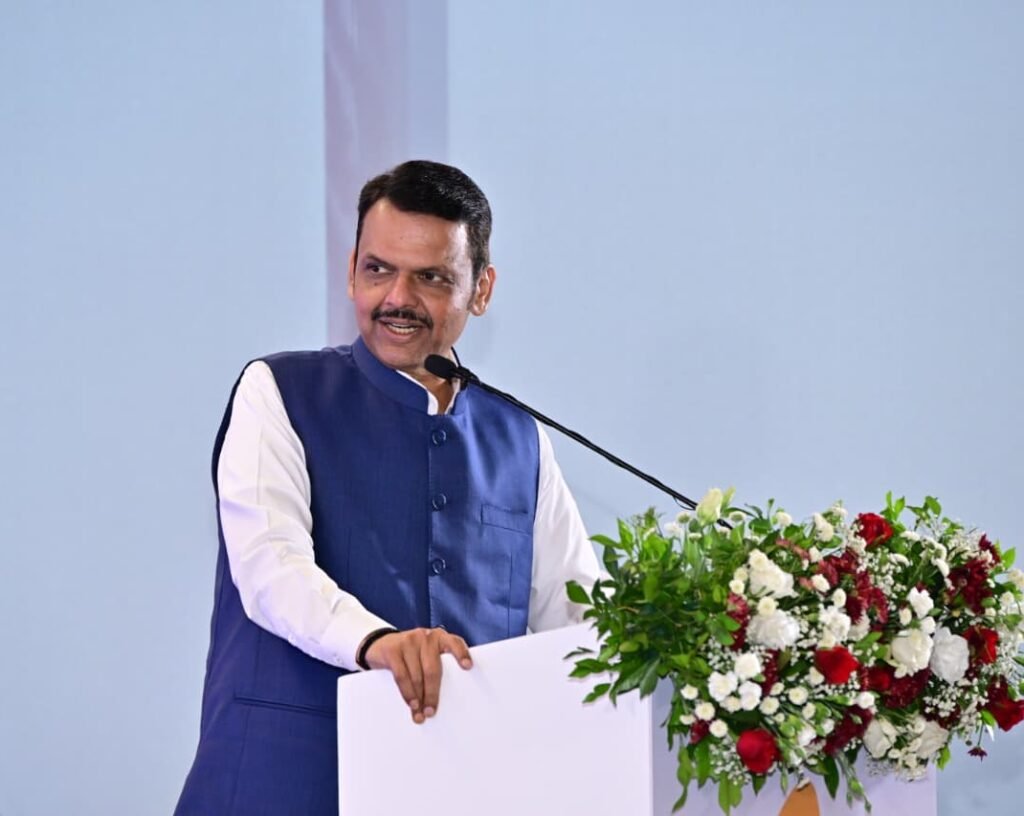
Under the leadership of Chief Minister Vishnu Deo Sai and the state government’s farmer-centric policies, the division has made substantial progress towards making Chhattisgarh self-reliant in water resources.
Its primary objectives include using water resources for public welfare, expanding irrigation facilities to strengthen agricultural prosperity, and adopting modern technology to ensure transparency and efficiency in water management.
Major Expansion and Strengthening of Irrigation Infrastructure
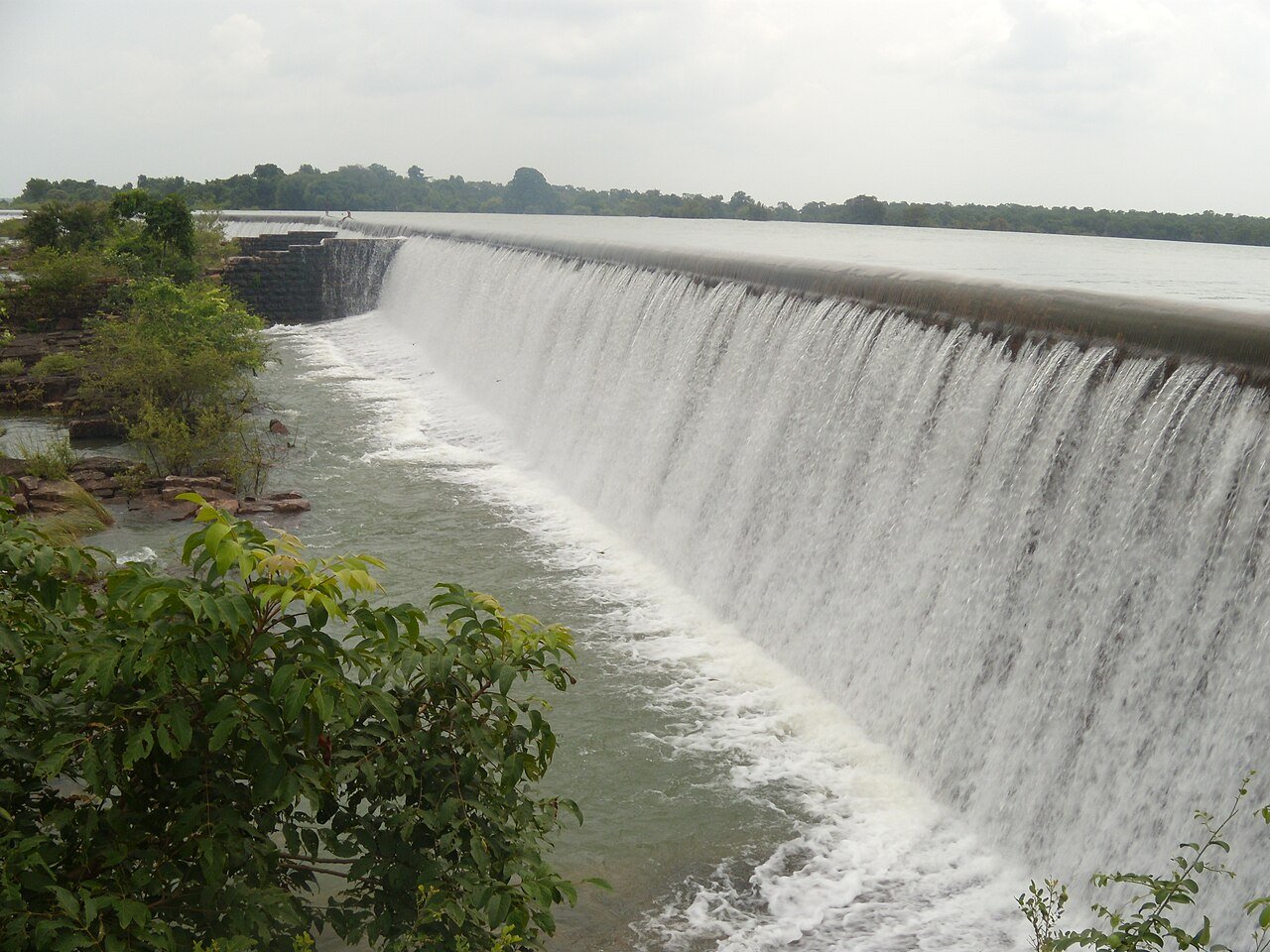
At the time of Chhattisgarh’s formation, the Tandula Water Resources Division had 97 irrigation projects. The number has now increased to 118 active projects. The total length of canals has expanded from 1,148 km to 1,349 km, strengthening and extending the water distribution network.
In the erstwhile undivided Durg district, the irrigated area has grown from 87,930 hectares to 113,538 hectares, significantly increasing the land available for irrigation.
Technological improvements have helped minimise water wastage during distribution. Measures such as canal lining, stronger infrastructure and automated gates have improved the efficiency of the irrigation system.
To ensure a reliable water supply to rural areas of the Durg-Balod region, major projects have been undertaken, including the Kharkhara-Shivnath River Pipeline Project, worth ₹1,520 crore, and the Tandula Augmentation Sahgaon Lift Irrigation Scheme, costing ₹238 crore.
These initiatives have provided irrigation facilities to approximately 18,000 hectares of land. Lift irrigation schemes have also made it possible to supply water to elevated areas, helping extend irrigation facilities to remote locations and ensuring that water reaches the last field.
This year, 265 recharge pits and 300 soak pits have been constructed to improve groundwater recharge and support rainwater conservation.
Agricultural Prosperity and Scientific Water Management
Through its initiatives, the Tandula Water Resources Division has provided direct irrigation facilities to more than 42,000 farmers, strengthening their journey towards agricultural self-reliance.
The availability of irrigation has contributed to an estimated 30–40 per cent increase in crop productivity. To promote the principle of producing more crops with every drop of water, the division has encouraged the adoption of sprinkler and drip irrigation systems.
Water Users’ Associations formed by farmers have helped ensure greater participation and transparency in water distribution.
Improved irrigation facilities have also encouraged the growth of agriculture-based small industries, food processing and fisheries. These activities have contributed to higher farm incomes, greater economic stability in rural areas and renewed momentum in agricultural development.
Water conservation remains another key priority. The division has developed ponds, dams, percolation tanks and groundwater recharge structures to support rainwater harvesting. Desilting, repairs and modernisation have improved the storage capacity of reservoirs.
Integrated water resources management and water budgeting systems are being used to plan water consumption scientifically and ensure a balanced distribution of available resources.
Women and self-help groups are also being involved in water management, strengthening community participation. Under the Jal Shakti Abhiyan, public awareness campaigns promoting water conservation have developed into a broader people's movement, with a focus on groundwater recharge and long-term water security.
Technological Excellence, Transparency and Social Benefits
The Tandula Water Resources Division has taken steps towards a digital transformation of water management. DGPS technology, drone surveys and GIS mapping are being used to conduct accurate site surveys and improve planning.
Real-Time Monitoring Systems (RTMS) have enhanced the monitoring of canals and reservoirs. The introduction of e-Office facilities and online project-tracking systems has strengthened transparency in administrative operations.
The expansion of irrigation has also generated significant social and environmental benefits. Improved agricultural opportunities have helped reduce rural migration and create more stable livelihoods.
Rising groundwater levels have contributed to environmental balance, while conservation efforts in ponds and reservoirs have supported biodiversity and encouraged fisheries.
The campaign for water security in every village and household is increasingly becoming a community-wide movement.
As part of administrative reforms under the State Water Policy 2025, efforts are being made to promote sustainable water use and develop appropriate water-pricing mechanisms. Data have been made publicly accessible through the state-level water data portal, while the public grievance redressal system has helped strengthen citizens’ trust in the administration.
Future Plans and Continued Commitment
Looking ahead, the division is working to expand micro-irrigation systems under the principle of producing more crops with every drop of water. It is also pursuing the comprehensive modernisation of canals.
Plans are underway to expand solar-powered irrigation pumps and convert anicuts into barrages to improve water storage and management.
The Water Resources Department remains committed to ensuring that water reaches every farmer and that irrigation capacity continues to increase. It also aims to develop a self-reliant water supply system for industrial, urban and rural areas while ensuring that water is used equitably and sustainably.
With these initiatives, the Tandula Water Resources Division is working to uphold Chhattisgarh’s guiding belief: “Water is life, and water is development.”