The Human Edge at Work | By Padmini Kashyap
Hyderabad, Nov 2026 : Last month, we focused on the individual: how we communicate, listen and manage ourselves under pressure. This month, we move to the team. And the place to begin is the conversation most professionals dread, whether they are giving it or receiving it: feedback.
In many organizations, feedback has quietly become a calendar event. It arrives once or twice a year, attached to a rating, an increment and a form. By then it is usually too late to be useful. The project has ended, the client has moved on, and the behavior has had months to become a habit. Worse, because it is tied to money and promotion, people hear it defensively. They are not listening to learn. They are listening to protect their rating.
The cost of saving it up
Consider a regional head who notices that one of her managers dominates review meetings and cuts off junior colleagues. She makes a mental note and decides to raise it at the year-end appraisal. Eight months later, she finally does. The manager is stunned. "Why didn't anyone tell me?" he asks. In the meantime, team dynamics takes a toll. Capable team members don’t contribute and some move on to a ‘better’ offer.
The behavior was small. The silence around it was expensive.
What does this mean to a company?
A de-motivated team, hiring costs, time lost in nurturing a team again, loss of good talent!
When I was working, many years ago, feedback on colleagues and your manager was taken once a year at the time of appraisals. Even then the feedback was customized because the fear that we were jeopardizing our own future in the company.Funnily after so many years, my daughter who is working in a law firm, follows the same procedure, once a year appraisal. Honestly this pseudo-transparency, is more of a placebo effect for employees who feel they are facing a free and fair appraisal and that their feedback is valuable. And when this pseudo-culture becomes the social fabric of the company, the outcomes are compromised.
What effective feedback looks like
It is timely. Feedback is most useful within days of the event, while the details are fresh and the person can still act on them. A two-minute conversation after a meeting often achieves more than a formal review months later.
It is specific. "You need to be more of a team player" gives the person nothing to work with. "In this morning's meeting, you answered on Ravi's behalf twice before he could finish. I'd like to hear his view directly" does. Describe the behavior and its impact, not the personality.
It is separated from the rating. When feedback only ever comes with a performance score, people learn to treat every observation as a judgement. Leaders who give regular, low-stakes feedback throughout the year find that the formal review becomes a summary of conversations already held, with no surprises.
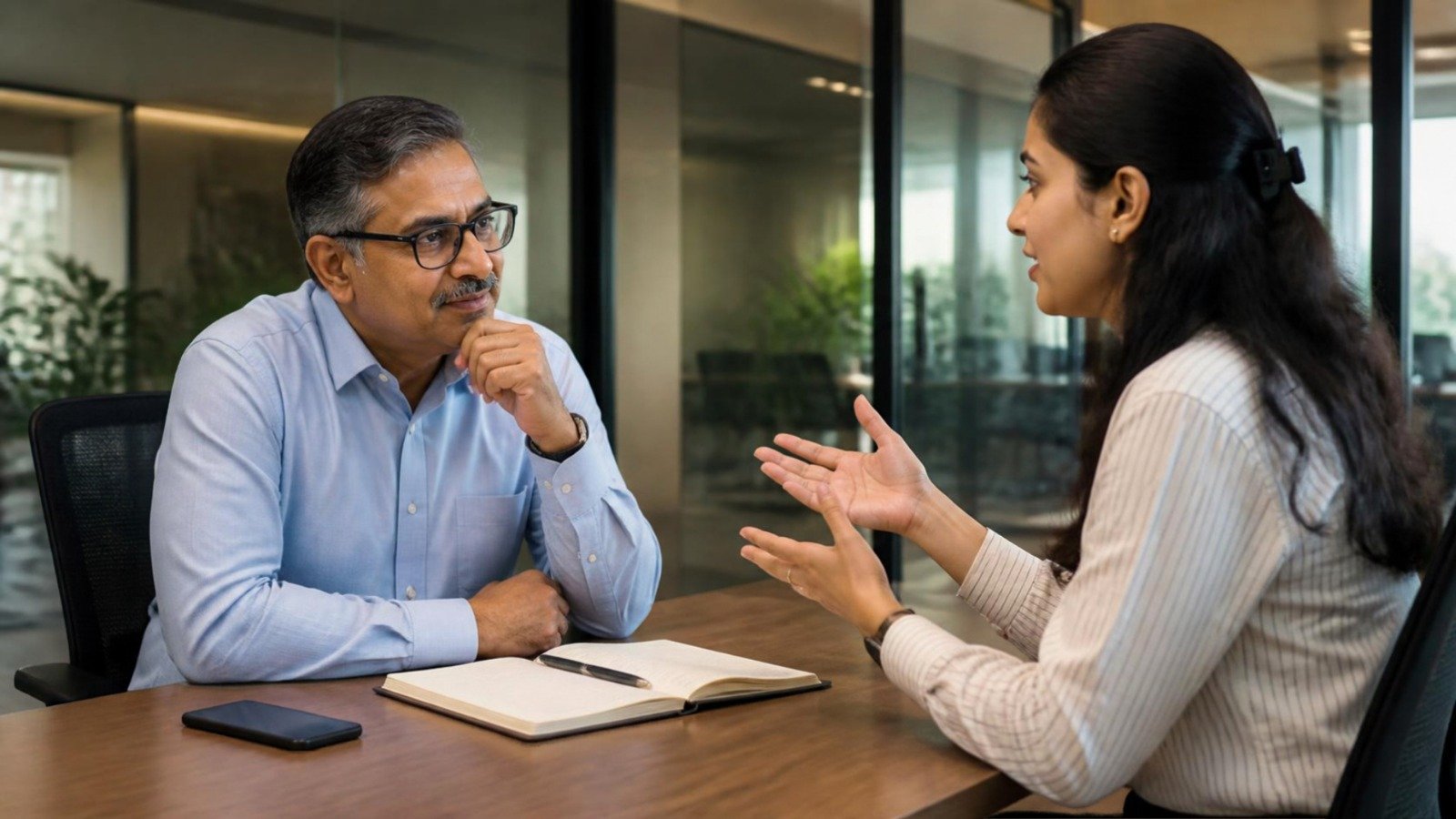
It is two-way. The most credible leaders ask for feedback as often as they give it. A simple question at the end of a project, "What is one thing I could have done better as your manager?", signals that improvement applies to everyone, including the person at the top.
Receiving feedback is a leadership skill too
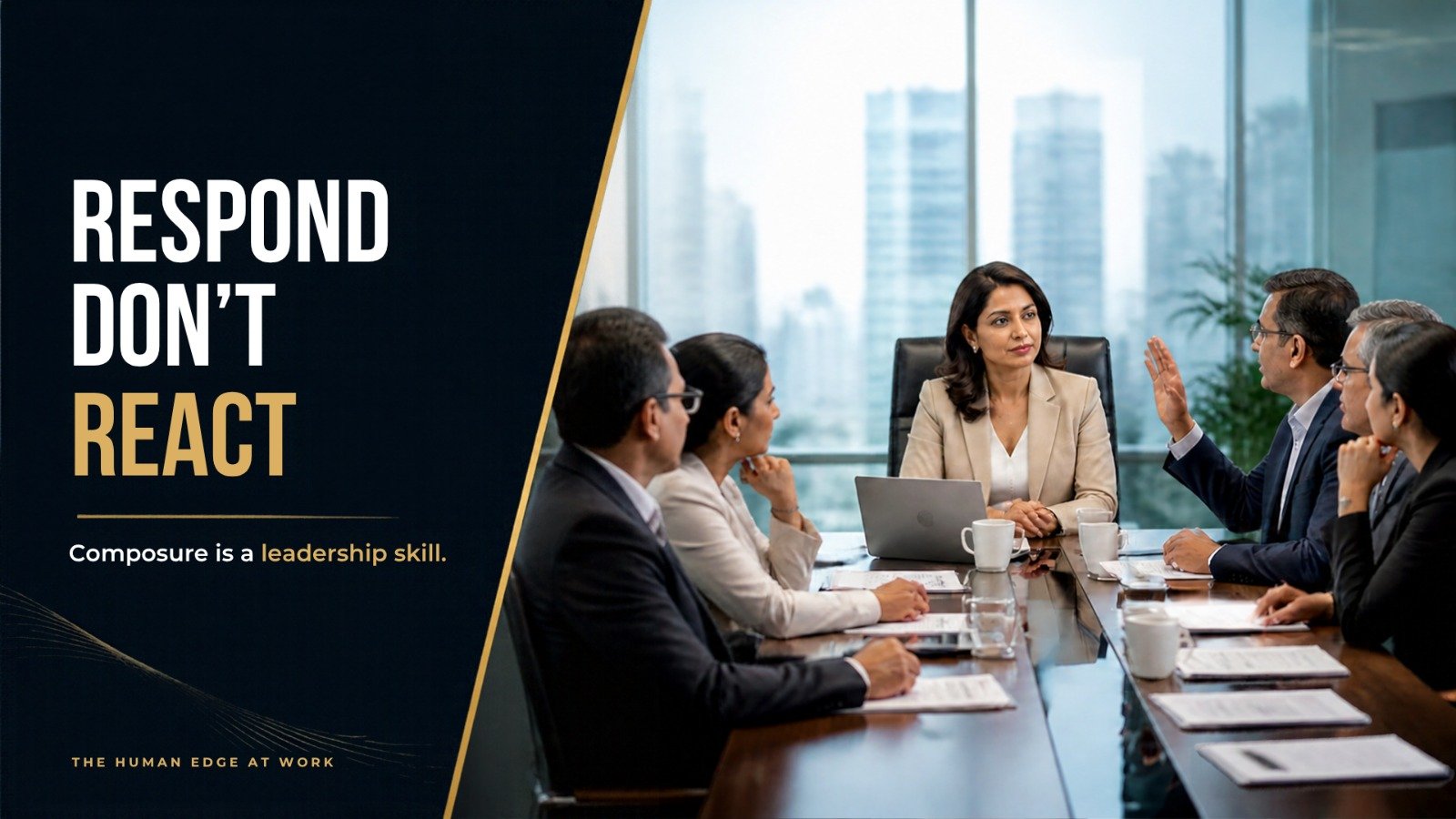
Much is written about how to give feedback. Far less is said about how senior professionals receive it. A director who responds to a concern with a long justification, or a visible shift in mood, teaches the whole team a lesson: it is not worth telling this person anything.
The mature response is simple. Listen fully, ask a question to understand, and thank the person, even if you disagree. You can reflect on it later and decide what to act on. What you cannot undo is the impression that honesty carries a cost.
Reverse Mentoring is one of the most successful feedback frameworks.
SOS
A desperate SOS call for all HR managers, SHRO’s CHRO’s, Founder’s, Business heads, Team Leads who are still following the old feedback system, a time for ‘reset’ is now the need of the hour. Feedback helps the organization in change management.
Your views or queries are welcome
How does feedback work in your organization: as a conversation, or as an event? I would be happy to hear your views, or to help with real situations you are facing at work. Your email and its contents will remain confidential.
Next week: "In Defense of Healthy Conflict." Why leadership teams that never disagree are often the most fragile.
Padmini Kashyap is an internationally certified soft skills trainer and Organization Development consultant who works with organizations on behavioral change, leadership development, communication, and culture change. She can be reached at proscentconsulting@gmail.com.