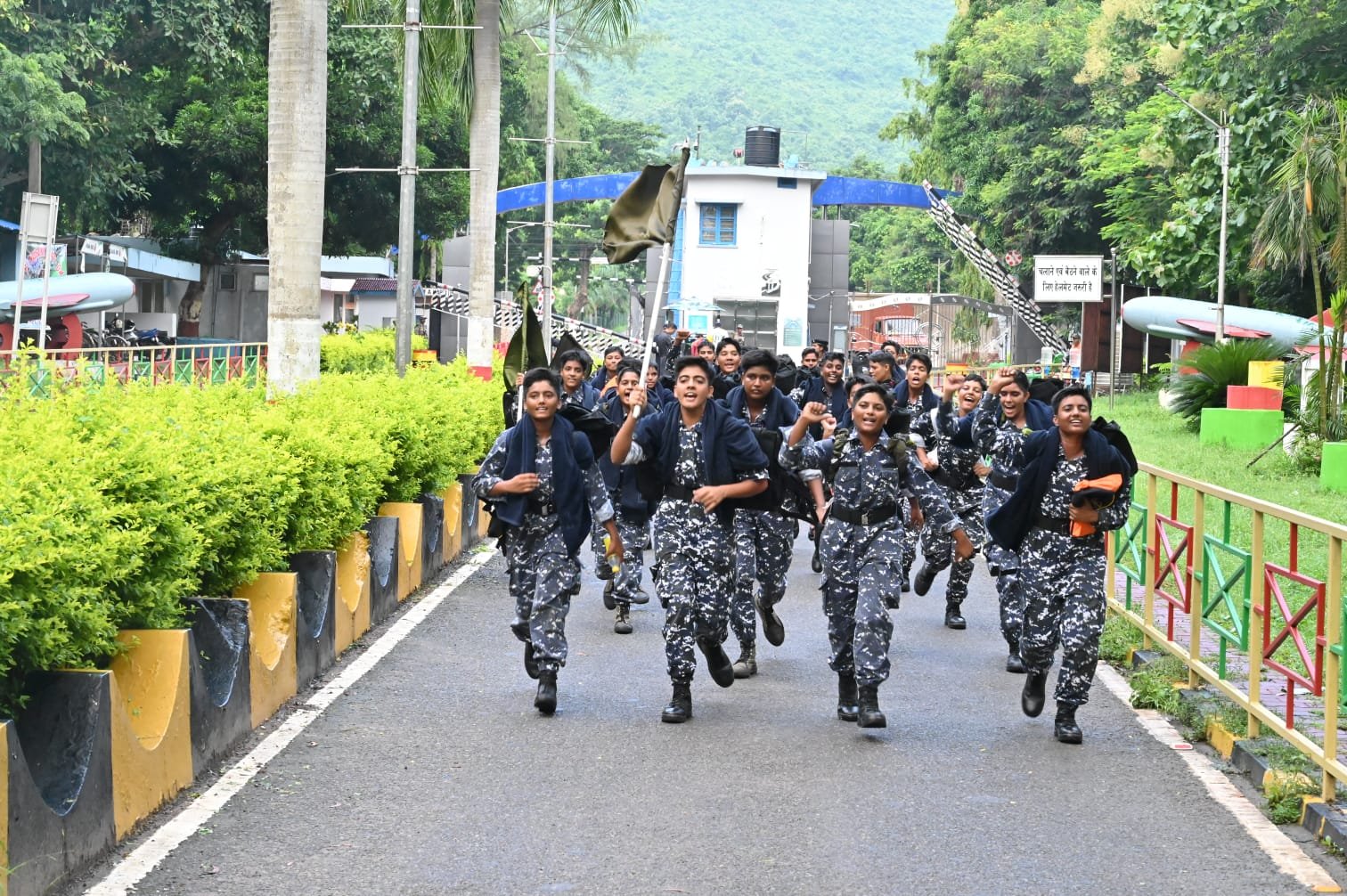
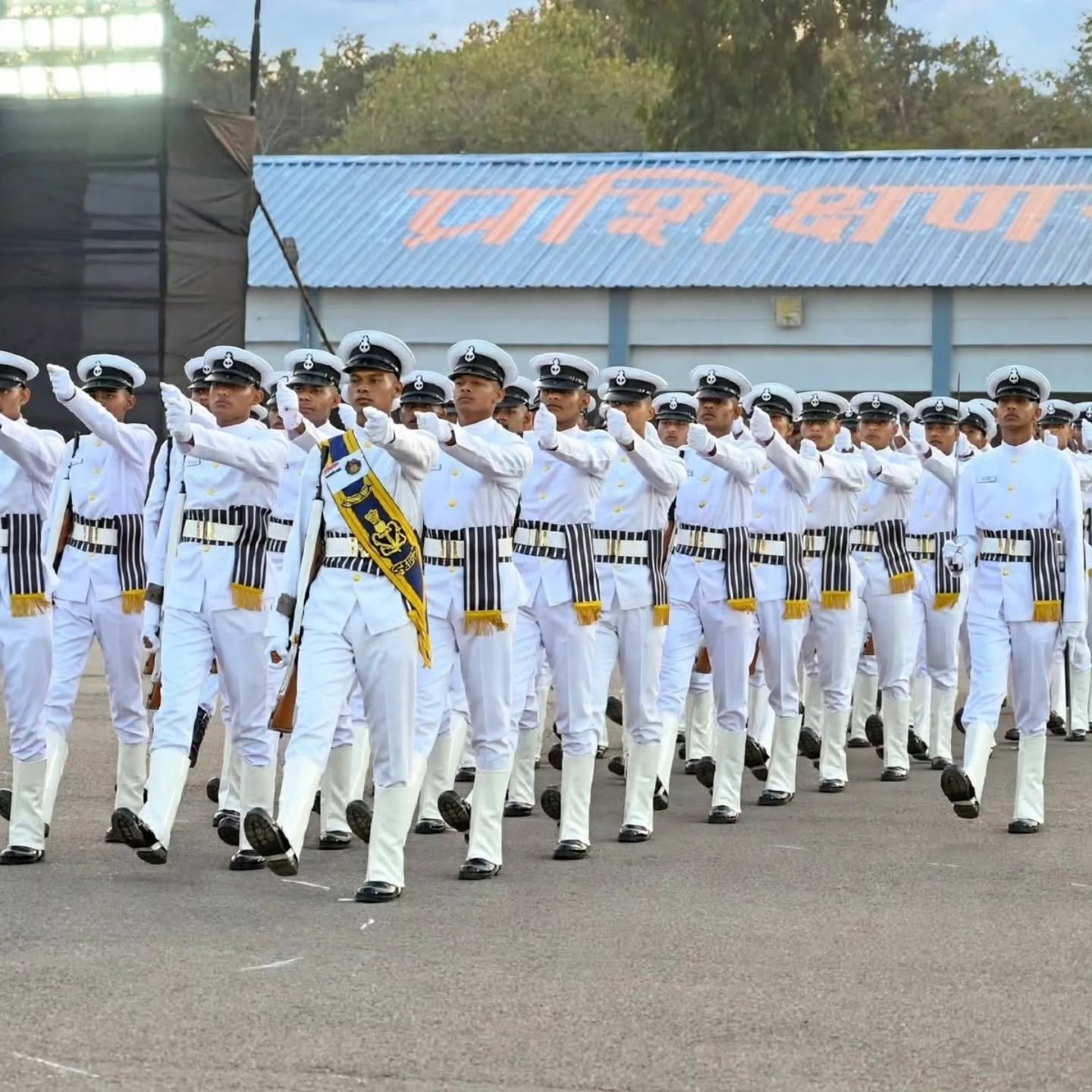
Bhubaneswar, Nov 2026 : The Indian Navy is set to mark a major milestone on Friday as more than 3,300 trainees from the ninth batch of Naval Agniveers and Coast Guard Naviks graduate at INS Chilka in Odisha. The passing-out parade will mark the completion of basic training by the largest batch inducted under the Agnipath scheme so far.
The ceremony will be held after 16 weeks of basic training and reviewed by Navy Chief Admiral Krishna Swaminathan. The event comes just eight days before the first batch of Agniveers completes its four-year engagement period, bringing the scheme's initial cycle to a significant stage.
The latest batch is also expected to be the last, for the time being, to benefit from recently approved changes to the Agnipath recruitment framework.
Agnipath Scheme Gets Two-Year Extension Provision
Under the revised framework approved by the Union Cabinet, 75 per cent of Agniveers who would earlier have exited military service after completing four years will now be eligible for a two-year extension.
During the additional two-year period, personnel will receive higher pay and an enhanced Seva Nidhi package. At the end of the extended engagement, they will become eligible for induction into the regular armed forces cadre, subject to their willingness to continue, meeting prescribed fitness standards and maintaining a clean disciplinary record.
Officials said the revised provisions currently apply to personnel who have already been inducted or are undergoing training. Discussions are continuing on whether the same benefits will be extended to future batches.
For now, the Navy's next intake, expected to begin training early next year, will continue to be governed by the original four-year terms of the Agnipath scheme.
Navy Seeks to Retain Trained Technical Personnel
The Indian Navy currently has around 21,000 Agniveers in service and is understood to have strongly supported measures to improve retention.
Naval personnel undergo extensive specialised training after completing their initial course at INS Chilka. They subsequently learn to operate sophisticated weapons systems, sensors and machinery aboard frontline warships, acquiring technical and operational skills through their assignments.
Senior naval officials have previously highlighted concerns that releasing a large proportion of Agniveers after four years could result in the loss of valuable expertise just when personnel begin reaching operational maturity.
The two-year extension provision is expected to help retain trained manpower, preserve technical experience and improve workforce stability. It could also provide the Navy with a longer period to utilise the specialised skills developed during training and operational deployments.
Agnipath Scheme and Political Debate
Introduced in 2022, the Agnipath scheme was designed to lower the average age of India's armed forces while reducing the government's long-term pension expenditure. Under its original structure, recruits, known as Agniveers, were enrolled for four years, with up to 25 per cent eligible for permanent absorption into the regular cadre, subject to selection.
However, the scheme has faced criticism over the employment prospects of the majority of recruits after completing their four-year military engagement.
The latest changes have renewed political debate. The Congress has described the revision as a "U-turn" and alleged that the government is making adjustments keeping forthcoming Assembly elections in Uttar Pradesh and Punjab in mind. Both states have traditionally contributed significant numbers of personnel to the armed forces.
The changes have also come amid wider concerns over youth employment, including issues highlighted during Gen Z-led protests over unemployment and examination paper leaks. Questions have consequently been raised about the career opportunities available to Agniveers returning to civilian life in their early twenties after completing military service.
Military Leadership Says Core Policy Remains
Despite the revised provisions, military leadership has maintained that the basic structure and objectives of the Agnipath scheme remain unchanged.
Chief of Defence Staff General NS Raja Subramani has stated that the scheme's existing four-year engagement framework will continue. He has also described the policy as one that is open to periodic review rather than being permanently fixed in its present form.
The latest overhaul represents the most significant adjustment to the Agnipath model since its introduction in 2022. It signals an effort to address concerns over the retention of trained personnel while continuing to pursue the original objectives of maintaining a younger and more cost-effective military force.
The graduation of more than 3,300 trainees at INS Chilka will therefore be significant not only for the Indian Navy but also for the evolving implementation of the Agnipath scheme and the future career pathways of military recruits.
(Disclaimer :The content of this article is sourced from a news agency and has not been edited by the Mavericknews30 team.)