Air Chief Marshal highlights production delays, key fighter programmes and regional security concerns, while calling for faster induction and a review of military command reforms.
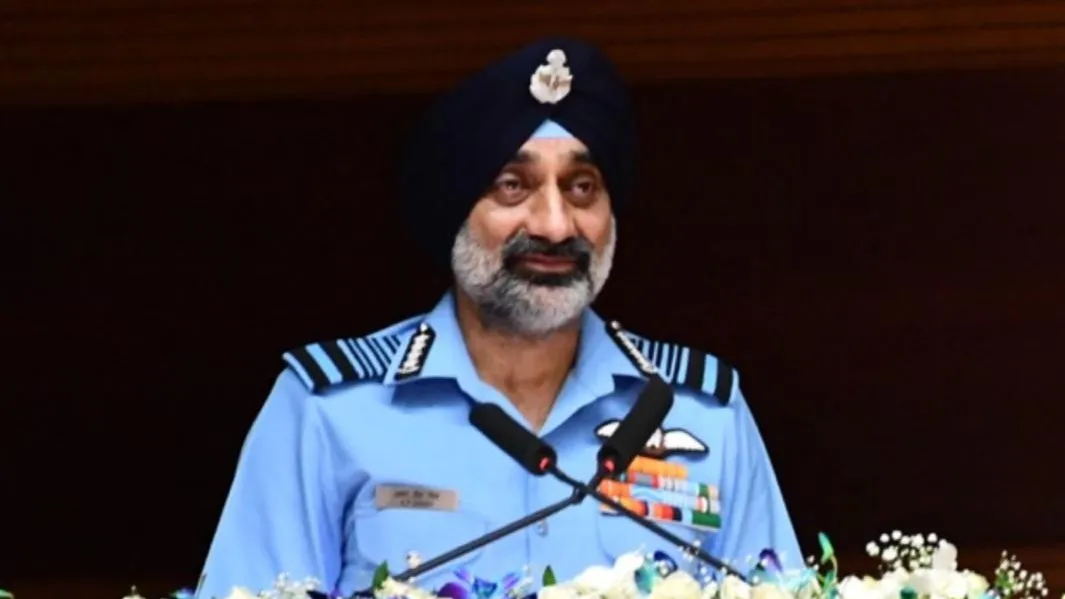
New Delhi, Oct 2026 : The Indian Air Force (IAF) needs to induct between 36 and 40 fighter aircraft every year merely to prevent its fighter squadron strength from declining further, Air Chief Marshal AP Singh said ahead of Air Force Day, highlighting the urgent need to accelerate aircraft production and modernisation programmes.
The annual requirement translates into approximately two fighter squadrons, according to the Air Chief. He emphasised that meeting this target would largely help the IAF maintain its existing strength rather than significantly expand its combat capability. Rebuilding the force to its sanctioned level would require sustained and faster induction of new aircraft.
Singh also highlighted the operational consequences of delays in defence research, development and production, stressing that prolonged timelines could affect the Air Force’s preparedness and ability to respond to emerging security challenges.
“Technology delayed is technology denied,” he said, underlining the need to speed up ongoing acquisition programmes and indigenous aerospace projects.
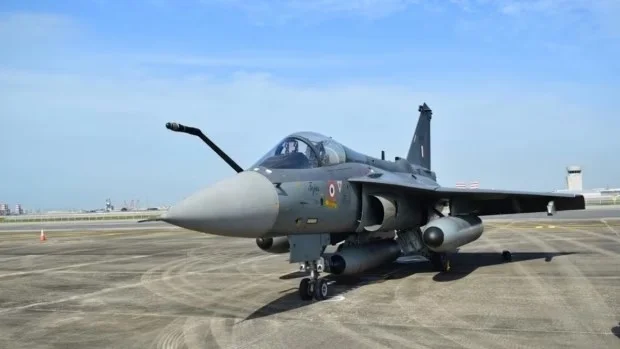
Among the major programmes expected to strengthen the IAF’s combat capability are the Tejas Mk-1A, the more advanced Tejas Mk-2, the proposed acquisition of 114 Multi-Role Fighter Aircraft (MRFA), and the Advanced Medium Combat Aircraft (AMCA), India’s planned indigenous fifth-generation fighter.
The Air Chief pointed to Hindustan Aeronautics Limited’s efforts to increase aircraft production beyond 24 units annually. Higher output, combined with future Tejas deliveries, the proposed MRFA acquisition and additional fighter orders, could help the IAF move towards its annual induction requirement, provided the programmes progress according to schedule.
The remarks come as the IAF continues to operate below its sanctioned strength of 42 fighter squadrons. The challenge has been compounded by the retirement of ageing aircraft, while the induction of replacement platforms has not kept pace with the rate required to maintain the force.
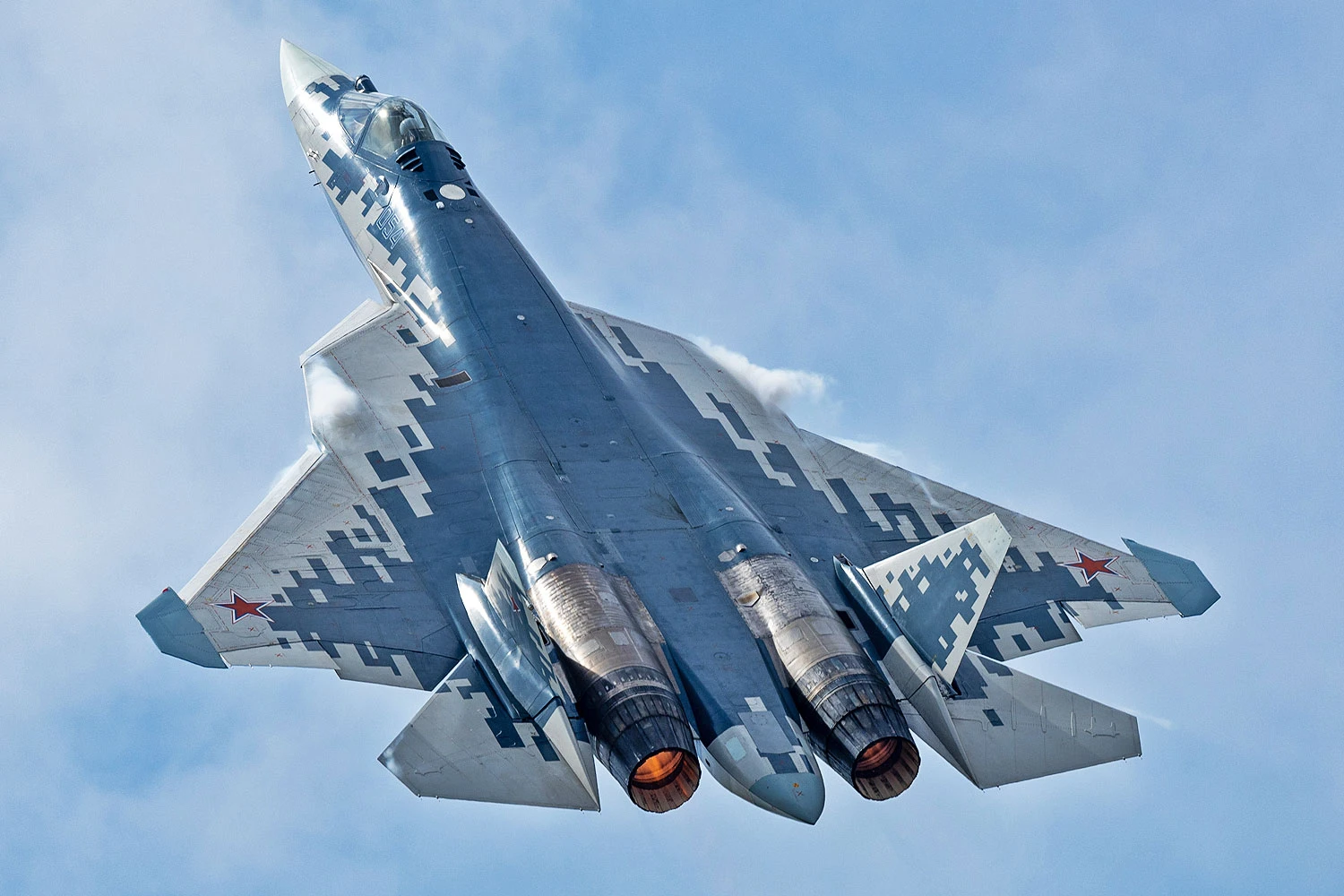
Singh indicated that delays in the AMCA programme or other major fighter acquisition projects could lead the IAF to consider alternative options to address capability gaps. However, he clarified that no decision had been taken on Russia’s offer of the Su-57 fifth-generation fighter.
The Air Chief’s comments underline the importance of ensuring that indigenous development, aircraft manufacturing and procurement programmes advance in parallel. The IAF faces the task of replacing older aircraft while preparing for a regional security environment increasingly shaped by advanced combat platforms, integrated sensors and network-centric warfare.
On the proposed integrated theatre commands, Singh reiterated that the IAF was not opposed to the concept itself. However, he stressed that the proposed structure, implementation model and operational implications required detailed examination before a final decision could be taken.
The issue has gained significance amid discussions on jointness and coordination among the three services. Singh said lessons from Operation Sindoor had influenced ongoing deliberations on military command reforms and operational structures.
With a restructured Chiefs of Staff Committee now in place, the armed forces are expected to examine different models for implementing the proposed changes. These include whether the transition should take place in a single phase or through a gradual process, allowing the services to assess operational requirements and address potential challenges.
Singh said the military leadership would place various options before the government for consideration. The final approach would need to take into account the operational roles, responsibilities and requirements of the Army, Navy and Air Force.
Addressing the evolving regional security situation, the Air Chief expressed concern over growing cooperation between Pakistan and China in the field of fifth-generation fighter aircraft.
At the same time, he assessed that Pakistan had not yet fully exploited the capabilities of its advanced platforms because of limitations in integrating them into a broader combat ecosystem.
Singh emphasised that the effectiveness of a fighter aircraft depended on more than its individual performance or technological specifications. Its operational value was also determined by how efficiently it could be integrated with sensors, command-and-control networks, weapons systems and other military assets.
A modern fighter’s effectiveness, therefore, rests on its ability to operate as part of a coordinated system, enabling the rapid sharing of information, improved situational awareness and timely execution of missions.
The Air Chief’s remarks reflect the multiple challenges confronting the IAF as it seeks to maintain combat readiness while modernising its fleet. Faster fighter induction, higher domestic production, timely completion of indigenous programmes and carefully planned military reforms are central to its long-term strategy.
As India continues to develop its aerospace capabilities, the pace of aircraft deliveries and the integration of new platforms into the operational structure will remain important factors in determining the IAF’s ability to maintain its sanctioned strength and respond to regional security developments.