UPFSDA strictly monitoring medicine prices; surprise inspections of pharmacies in 52 hospitals across 17 districts under a special campaign
Manufacturers printed much higher MRPs on medicines, while hospital pharmacies are procuring them at lower prices
Cases found of medicines being sold to patients at nearly full MRP without proper discounts
Dept campaign examined purchase price, sale price and printed MRP; notices issued to hospital pharmacies, suppliers and manufacturing firms
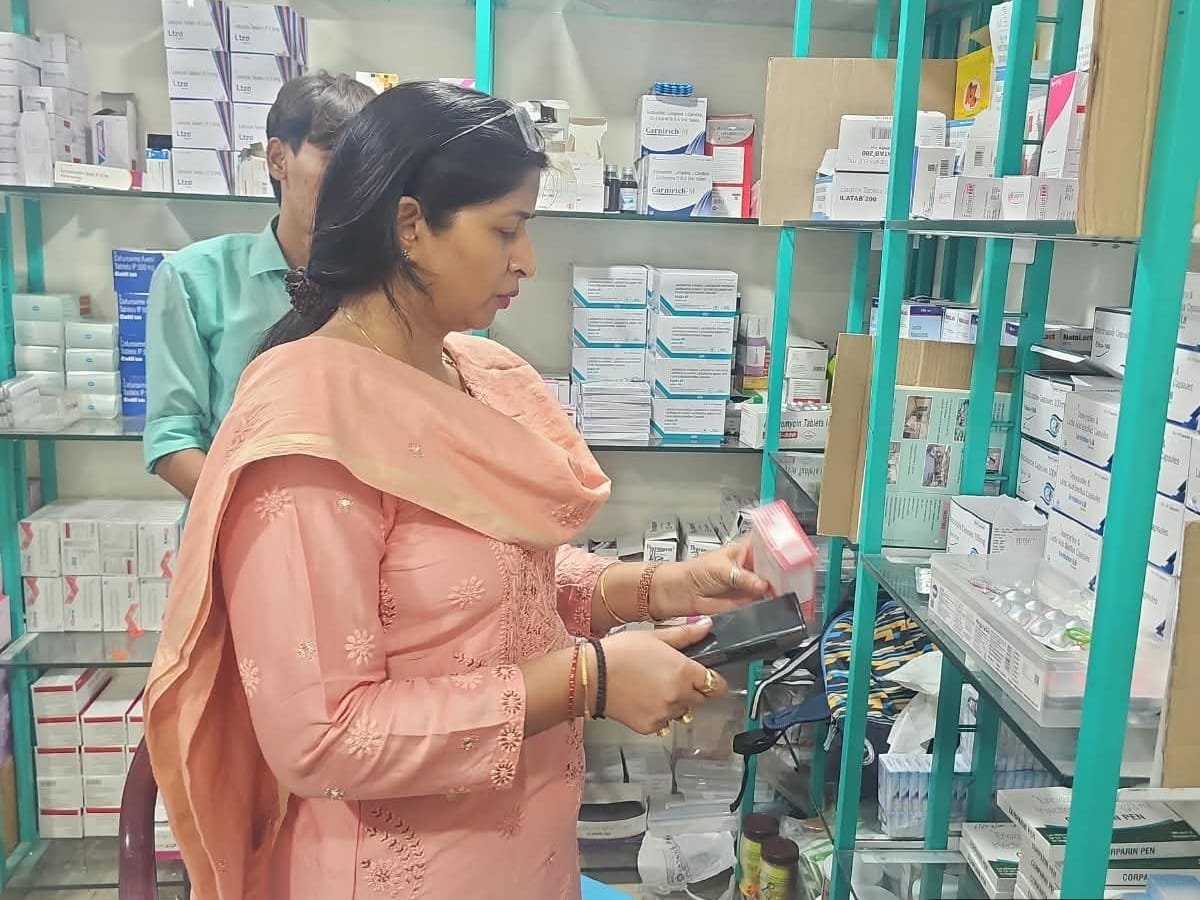
Lucknow, Oct 2026 : With the aim of providing patients with quality medicines at fair prices, the Food Safety and Drug Administration (FSDA), Uttar Pradesh, has intensified its scrutiny of pricing and purchase-sale systems for medicines in the pharmacies of hospitals and medical colleges. Under a statewide special campaign, intensive inspections were carried out in 17 districts at the pharmacies of 9 government medical colleges, 11 private medical colleges and 32 private hospitals.
During the campaign, departmental teams specifically examined the price at which hospital pharmacies were obtaining medicines from manufacturers and suppliers, and the price at which those same medicines were being sold to patients. The inspection found that in some cases manufacturers had printed a much higher MRP on medicines, while hospitals were receiving the same medicines at a much lower purchase price. Despite this, cases have come to light of medicines being sold to patients at nearly full MRP without proper discounts.
Taking this gap between the purchase price and the sale price charged to patients seriously, the department has started issuing notices to the concerned hospitals, suppliers and manufacturing firms and seeking explanations. The department is also investigating the basis for the difference between the purchase and sale prices of medicines, and whether the provisions related to drug price control have been followed in the cases concerned.
Compliance with DPCO provisions also examined
During the campaign, provisions related to medicine pricing were also examined. Pricing-related discrepancies came to light at Fortis Hospital, Noida, and compliance with the provisions of the Drugs (Prices Control) Order, 2013 (DPCO) was examined. Action is being taken in the matter as per rules. According to the department, the aim of the campaign is not only to ensure the quality and availability of medicines, but also to make quality medicines available to patients at fair prices. In this context, the purchase-sale system for medicines in hospital pharmacies, sales bills, stock records and price-related records are being verified.
Discrepancies also found in licences, bills and stock records
Along with the price inspection, licences and purchase-sale documents at the pharmacies were also examined. Irregularities related to licences, addresses printed on sales bills, and stock and sales records were found at the pharmacies of Tender Palm, Lucknow; T.S. Medical College, Lucknow; Varanasi Hospital, Varanasi; Apex Super Speciality Hospital, Varanasi; Fortis Hospital, Noida; and Sarvodaya Hospital, Noida. Meanwhile, at the wholesale firm operating in Jawitri Hospital, Lucknow, irregularities were found in the storage and maintenance of medicines, and the sale of medicines was halted under Sushant Dhara [sic; see note below].
Pharmacist presence and mapping also checked
During the campaign, the availability of pharmacists in hospital pharmacies and their mapping were also checked. Shortcomings related to the presence and mapping of pharmacists were found at Varanasi Hospital, Varanasi. The department is taking necessary action regarding these shortcomings. In addition, storage standards required to maintain the quality of medicines were also examined. Shortcomings in standards related to temperature loggers or cold chain maintenance were recorded at T.S. Medical College, Lucknow; Cloud Nine, Lucknow; and Felix Hospital, Noida.
Serious irregularities will face action under the law
The FSDA has clarified that in cases of serious irregularities found during inspections, notices are being issued under the Drugs and Cosmetics Act, 1940, and action is being ensured as per rules. In pricing-related cases, further action will be taken based on the explanations received from the concerned hospitals, suppliers and manufacturing firms. The department has stated that monitoring of matters related to medicine prices, quality, safe storage and sales systems will continue in the future.