US secretary of state to discuss Iran, maritime security and regional stability with Lebanese Prime Minister Nawaf Salam and Saudi Foreign Minister Prince Faisal.
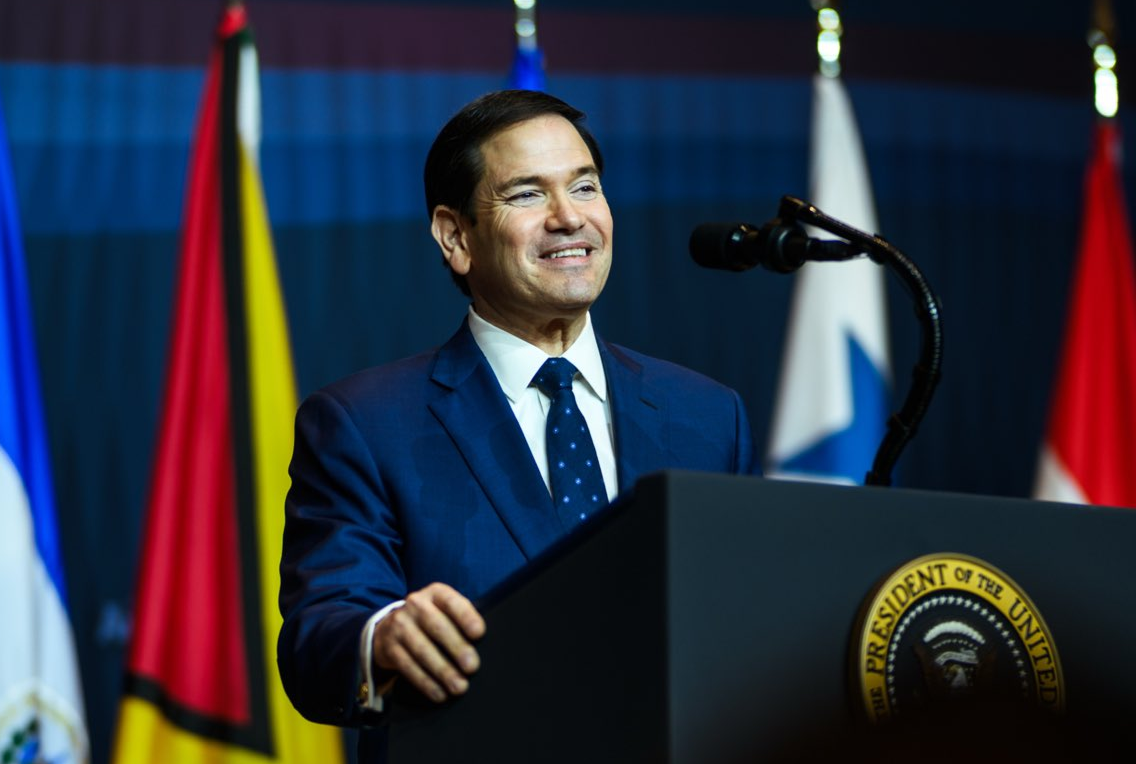
Washington, Sept 2026 : US Secretary of State Marco Rubio is set to hold separate meetings with Lebanese Prime Minister Nawaf Salam and Saudi Foreign Minister Prince Faisal bin Farhan Al Saud on Monday, as the Trump administration steps up diplomatic engagement on Iran, maritime security and broader instability across the Middle East.
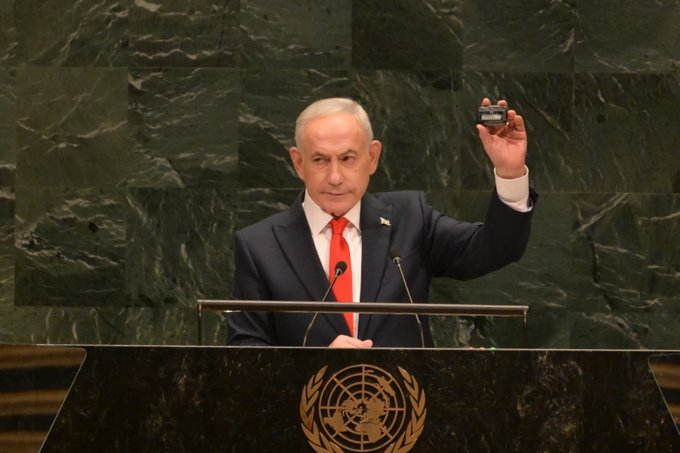
According to the US State Department's schedule, Rubio will meet Salam at the department at 10 a.m., followed by talks with Prince Faisal at 11:15 a.m. The meetings come shortly after the high-level week of the United Nations General Assembly in New York, where world leaders presented differing positions on Iran, Israel, nuclear weapons and the future security framework of the region.
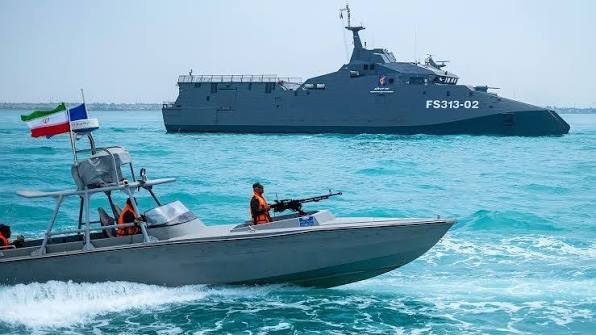
Iran is expected to remain a central issue in Washington's discussions with its regional partners. Rubio said last week that there was broad agreement among the United States and governments in the region that Iran must not be allowed to acquire a nuclear weapon and that commercial shipping through the Strait of Hormuz should remain open.
"I think there's consensus that the straits need to be open and free without attack," Rubio said, while also describing the situation involving the Houthis in Yemen as a serious concern.
He added that there was agreement that Iran "can never have a nuclear weapon", underscoring one of the administration's principal concerns in its Middle East diplomacy. The comments came amid heightened tensions surrounding the strategically important Strait of Hormuz, through which a significant share of global energy shipments passes. Recent diplomatic efforts have also focused on restoring freedom of navigation through the waterway.
Saudi Arabia has separately used its UN General Assembly address to call for a Middle East free of weapons of mass destruction. Prince Faisal also argued that regional security could not be achieved through domination, exploitation or attempts to use crises to expand influence.
His meeting with Rubio is therefore expected to provide an opportunity to discuss Iran's nuclear programme, the security of international waterways and wider regional diplomacy following the UN General Assembly meetings. US-Saudi security cooperation has historically included efforts to address Iranian activities and threats to regional stability.
The meeting with Salam comes as Lebanon continues to deal with the effects of regional conflict, political pressures and security challenges. Although the State Department has not released a detailed agenda for the talks, Lebanon's security and sovereignty are expected to feature in the discussions.
The wider diplomatic schedule reflects Washington's effort to coordinate with regional and international partners on Middle East security. Rubio's meeting with Salam will also be attended by Allison Hooker, the US under secretary for political affairs.
Hooker is scheduled to hold separate discussions later in the day with Dutch Political Director Joost Flamand and Maldivian Foreign Minister Iruthisham Adam. The Maldives engagement has particular relevance to the wider Indo-Pacific context because of the country's location along important Indian Ocean maritime routes and its strategic position in India's maritime neighbourhood.
Thomas DiNanno, US under secretary for arms control and international security, is also scheduled to meet Flamand separately. Those discussions, like several other diplomatic engagements, are expected to take place behind closed doors.
The talks come against a backdrop of continuing US-Iran tensions and competing diplomatic initiatives. President Donald Trump has maintained that Iran must not obtain nuclear weapons, while recent reports indicate that Tehran has expressed willingness to discuss reopening the Strait of Hormuz under certain conditions.
Washington has simultaneously been consulting allies over maritime security, including discussions with European and Asian partners about maintaining freedom of navigation.
With Rubio's meetings with the Lebanese and Saudi officials, the administration's post-UNGA diplomatic agenda is placing renewed emphasis on three interconnected concerns: preventing nuclear proliferation, protecting international shipping routes and managing instability across the wider Middle East.