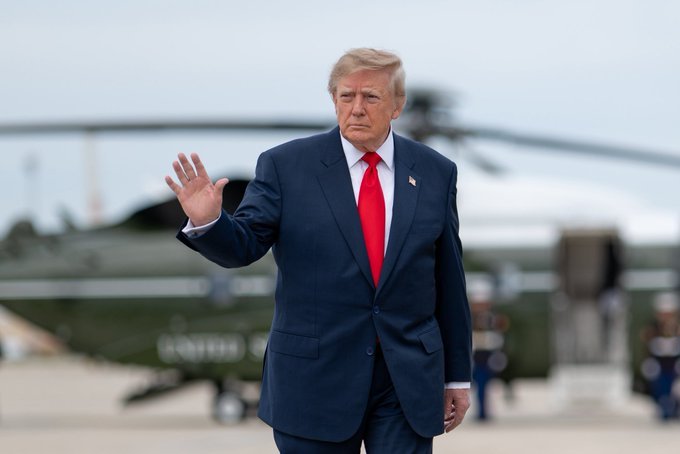
Washington, October 2026 : US President Donald Trump has announced that Taiwan has agreed to purchase 30 per cent of the natural gas produced by a proposed major pipeline project in Alaska for the next 20 years and invest an additional $4.4 billion in the venture. The announcement comes as the Trump administration seeks to attract foreign investment, expand American energy exports and strengthen commercial ties with Asian economies.
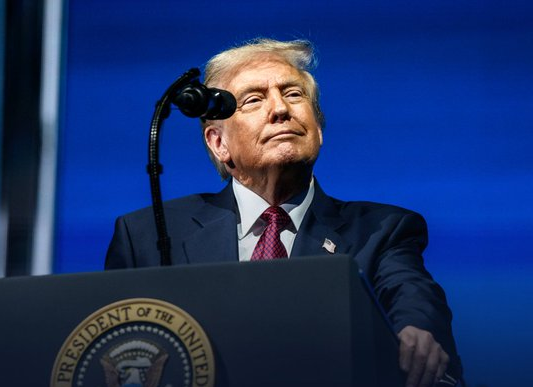
Addressing an election rally in Wasilla, Alaska, Trump described the agreement as a significant development for the proposed 800-mile natural gas pipeline, which is expected to transport gas from Alaska’s North Slope to the state’s southern coast for processing and export.
“Taiwan has just agreed to buy 30 per cent of the gas coming off the pipeline for the next 20 years,” Trump told supporters, presenting the long-term purchase commitment as a major step towards securing the project's commercial viability.
He added that Taiwan would invest $4.4 billion in the project, over and above the investment commitments previously announced by South Korea.
The announcement places Taiwan and South Korea among the key international partners in Washington’s efforts to develop Alaska’s natural gas resources and establish a stronger energy export corridor to Asian markets.
Trump Says Federal Permits Have Been Granted
Trump said his administration had completed the federal permitting process required for the pipeline, removing what he described as a longstanding hurdle to construction.
“Every single permit that you need has been granted,” the President said.
He credited Republican Senator Dan Sullivan of Alaska with helping advance the initiative and said his administration had worked to bring the ambitious infrastructure project closer to construction.
Trump also linked the proposed pipeline to his broader economic agenda, which emphasises domestic energy production, foreign investment, infrastructure development and efforts to reduce energy costs for American households.
According to the President, the project could generate more than 13,000 jobs and save a typical Alaskan household over $2,000 annually on energy bills. These figures were presented as projected benefits of the development.
However, the project's eventual economic impact will depend on construction costs, financing arrangements, market demand and the timeline for bringing the pipeline into operation.
Taiwan and South Korea Emerge as Key Investors
US Commerce Secretary Howard Lutnick, who accompanied Trump at the rally, provided additional details about negotiations with Taiwan and South Korea.
Lutnick said discussions with the Taiwanese government had continued throughout the preceding week, culminating in the purchase commitment.
“All week we were working with the Taiwanese government, and they agreed to buy 30 per cent of everything produced on that line,” he said.
He also cited a South Korean commitment of $50.1 billion towards the pipeline's construction and development.
“They will invest $4.4 billion on top of the Koreans to make sure this line gets built,” Lutnick said, referring to Taiwan's proposed investment.
The commitments, as described by the US officials, are intended to strengthen the project's financial foundation by combining long-term demand for natural gas with foreign capital. The precise structure and implementation of the commitments will be important in determining how quickly the project can advance.
Alaska Pipeline Targets Growing Asian Energy Markets
The Alaska LNG project is designed to move natural gas from the North Slope to the southern coast, where it could be processed into liquefied natural gas (LNG) and shipped to overseas buyers.
Its location offers a potential supply route to Asian economies, including Taiwan, South Korea and Japan, which rely on imported LNG for electricity generation and industrial consumption.
For the United States, expanding LNG exports could create new commercial opportunities for energy producers while strengthening economic engagement with major Asian markets. For prospective buyers, long-term supply arrangements could help diversify energy sources, although commercial terms and infrastructure readiness will remain important considerations.
Trump's announcement also reflects his administration's emphasis on using trade and investment agreements to support American manufacturing and energy production.
Trump Links Energy Deal to Semiconductor Manufacturing
During the rally, Trump also criticised the historical movement of semiconductor manufacturing from the United States to Taiwan, arguing that earlier American trade policies had failed to adequately protect domestic chip production.
He maintained that his administration's tariff policies were encouraging companies to shift manufacturing operations back to the United States.
The comments linked the proposed Alaska energy agreement to the administration's wider approach to trade, industrial policy and foreign investment.
If implemented, Taiwan's proposed gas purchase agreement and investment could become important components of the Alaska LNG project's financing and export strategy. The project's ultimate progress, however, will depend on the execution of the announced commitments, the completion of construction and the commercial competitiveness of American natural gas in international markets.
(Disclaimer :The content of this article is sourced from a news agency and has not been edited by the Mavericknews30 team.)