US television anchors question the consistency of the deal with legislation targeting buyers of Russian energy, while Republicans offer contrasting views on the move.
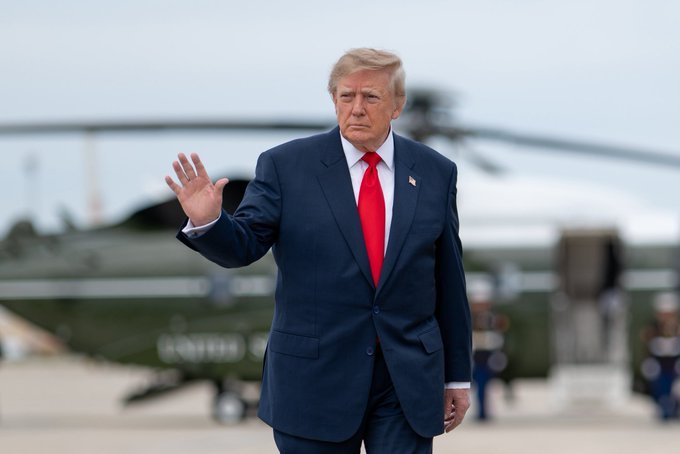
Washington, October 2026 : US President Donald Trump’s decision to allow purchases of Russian diesel has come under scrutiny on American Sunday television, with news anchors questioning its consistency with a sanctions law he signed last month. The controversy comes just a week before a statutory deadline for potential tariffs targeting major buyers of Russian crude oil and natural gas, including India.
On CNN’s State of the Union, host Jake Tapper questioned the scale and purpose of the transaction, saying Trump was seeking to address “skyrocketing fuel costs” by purchasing six million barrels of diesel—an amount he described as barely sufficient to meet approximately a day and a half of US demand.
Tapper also highlighted what he portrayed as a contradiction between the purchase and the legislation signed by Trump. He noted that the President was buying fuel from Russian President Vladimir Putin despite signing a bill sponsored by the late Senator Lindsey Graham that provides for sanctions against countries purchasing Russian oil.
On ABC’s This Week, co-anchor Jonathan Karl said the arrangement appeared to conflict with a law Congress passed following Russia’s invasion of Ukraine in 2022. The programme also replayed an excerpt from Trump’s September 2025 address to the United Nations General Assembly, in which he criticised European countries for purchasing Russian energy while opposing Moscow’s military actions.
“They’re buying oil and gas from Russia, while they’re fighting Russia. It’s embarrassing to them,” Trump said in the earlier address.
Karl observed that the President had now announced a US plan to purchase Russian diesel, drawing a comparison between the two positions.
The legislation at the centre of the debate is the Lindsey O. Graham Sanctioning Russia and Iran Act of 2026, signed by Trump on September 18.
Section 113 requires the President, within 30 days of enactment, to raise duties to as much as 100 per cent on goods imported from countries that were among the five largest purchasers of Russian crude oil or natural gas during the preceding 12 months, provided they knowingly make new purchases on or after the specified deadline. The deadline falls on October 18.
Section 112 separately provides for duties of up to 500 per cent on goods imported from Russia, explicitly including petroleum products, by the same date.
However, the legislation permits the President to waive duties if he certifies to Congress that doing so serves the national interest. It also preserves the Treasury Department’s authority to issue general licences authorising certain transactions. The administration has not publicly explained how it intends to apply the relevant provisions to the diesel deal.
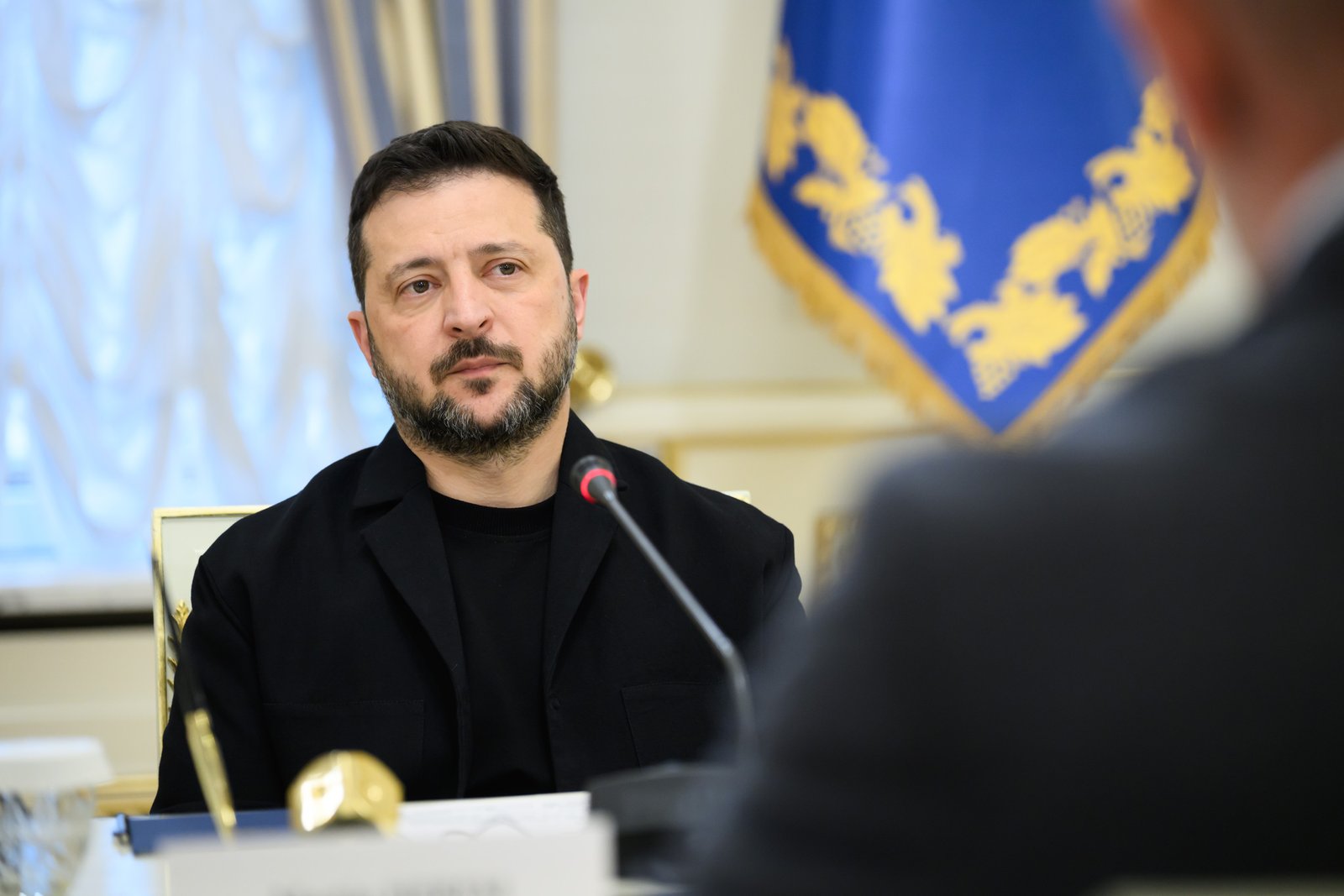
Ukrainian President Volodymyr Zelensky criticised the arrangement in an interview with ABC, arguing that revenue from Russian energy sales would support Moscow’s military campaign.
“This gives Putin money and he spends money only on this war,” Zelensky said.
Republican House Majority Whip Tom Emmer, however, defended the decision, describing it as another example of Trump “thinking out of the box”.
Former New Jersey governor Chris Christie, also a Republican, offered a sharply different assessment, criticising his party’s political messaging over the purchase. He argued that buying oil from Russia’s leadership risked undermining support for Ukraine.
The Treasury Department’s Office of Foreign Assets Control issued General License 135 on Friday, authorising certain transactions involving Russian-origin diesel through April 2027.
Trump has said Russia will initially supply more than 300,000 tonnes of diesel, followed by 500,000 tonnes in November and one million tonnes thereafter.
With the October 18 deadline approaching, the transaction has raised questions about the administration’s interpretation of the sanctions framework and how it will balance energy costs, trade requirements and support for Ukraine. The precise legal implications will depend on the legislation’s application and any waivers or authorisations issued by the administration.
(Disclaimer :The content of this article is sourced from a news agency and has not been edited by the Mavericknews30 team.)