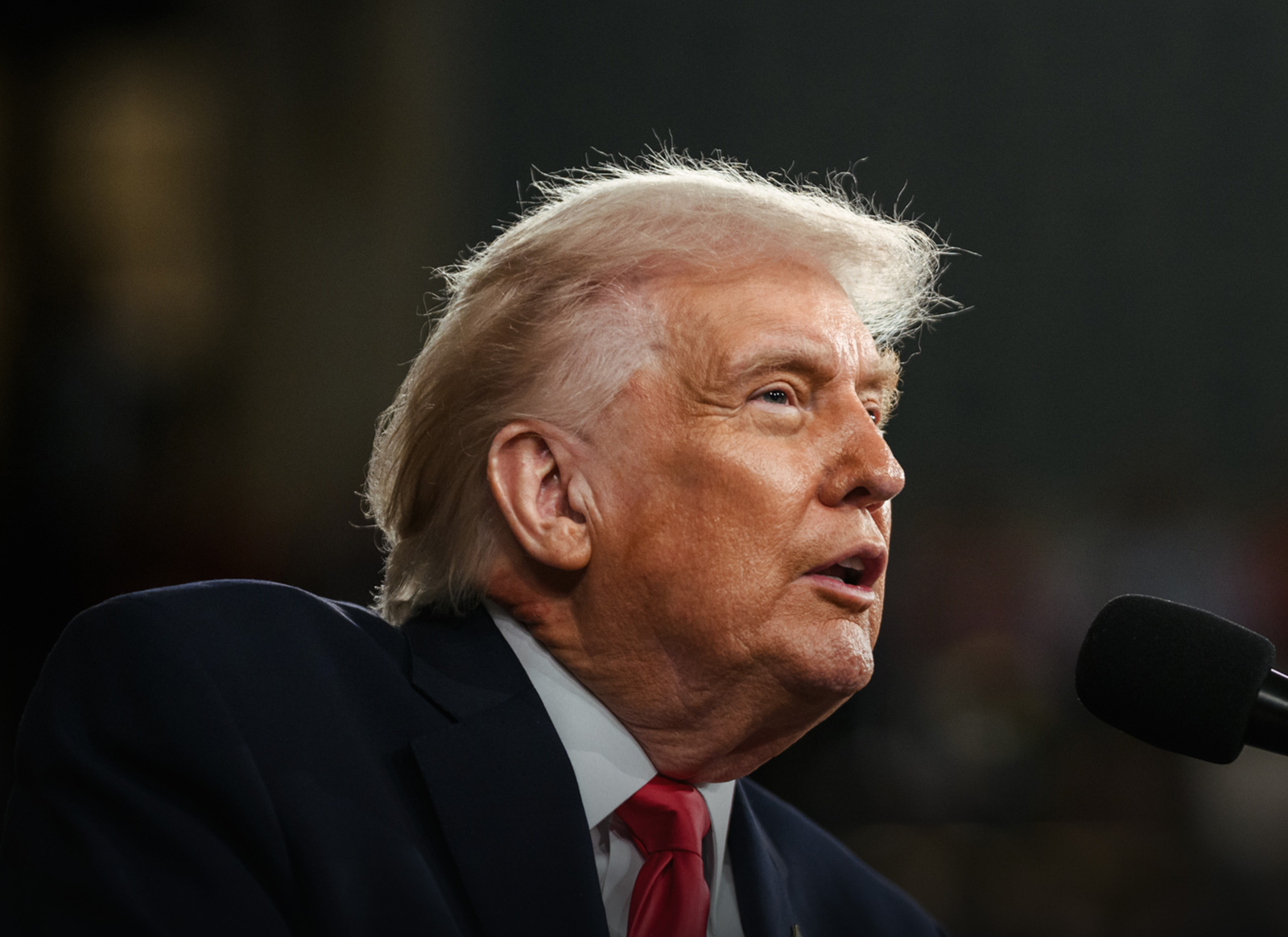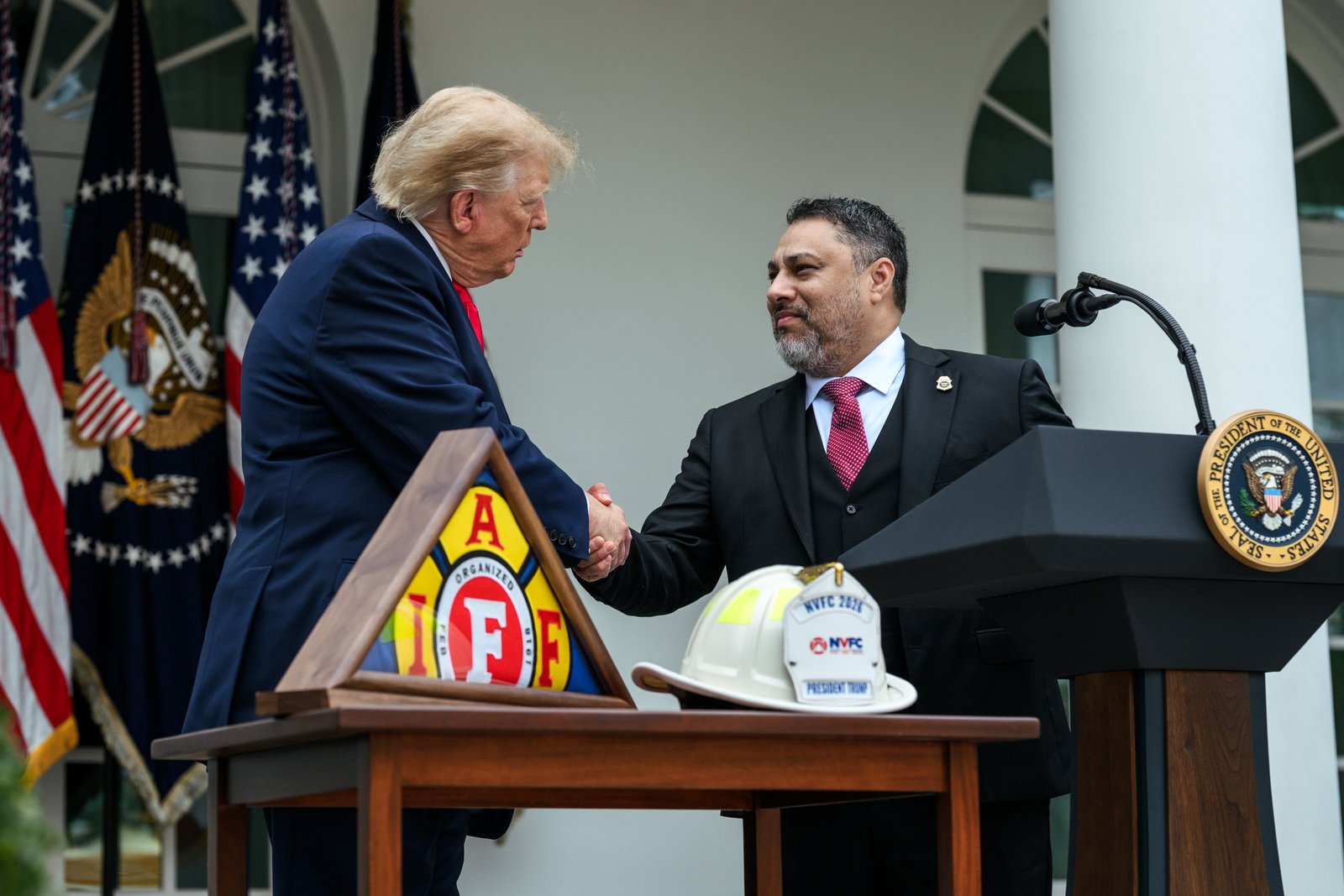

Washington, October 2026 : US President Donald Trump has formally introduced sweeping tariffs targeting major buyers of Russian oil and gas but suspended their application in the same executive order, sparing countries such as India and China from a potential 100 per cent additional duty just a day before the measures were due to take effect.
The order, signed on Friday and published by the White House later that evening, implements provisions of the Lindsey O. Graham Sanctioning Russia and Iran Act of 2026, which Trump signed into law on September 18. The legislation required the administration to impose duties of up to 100 per cent on goods from the largest purchasers of Russian oil and gas within 30 days, setting October 18 as the deadline.
Under the executive order, tariffs on goods from the “largest 5 importers of crude oil and natural gas that originated in the Russian Federation” would increase by 100 per cent if those countries knowingly made new purchases of Russian-origin crude oil or natural gas on or after October 18.
The order also provides for a similar 100 per cent increase in duties on goods from the five leading facilitators of efforts to evade sanctions on Russian oil. Separately, it prescribes a 500 per cent increase in duties on goods originating in Russia.
However, Section 4 of the same order immediately suspends these measures. “I hereby waive the application of any duties provided for in sections 112 and 113 of the Graham Act or this order,” Trump stated.
The President also waived most of the sanctions against foreign individuals and entities prescribed under the legislation, covering Sections 102(a), 102(d), 102(e), Sections 103 to 111, and Section 117.
The waivers will remain in force until the President or the Secretary of State, in consultation with the Treasury Secretary and the US Trade Representative where appropriate, determines that further action is necessary. The order does not specify an expiry date or identify the countries covered by the decision.
Trump said he had submitted the written certification required by law to Congress, declaring that granting the waiver was in the national interests of the United States. He also said he had provided a report explaining the basis for the certification. Neither document had been made public at the time of reporting.
Despite the suspension, Washington has retained the authority to reconsider its position. The US Trade Representative, working with the Secretaries of State, Treasury and Energy, has been directed to monitor countries' purchases and imports of Russian-origin crude oil and natural gas.
The Trade Representative must promptly inform the President of any developments that could indicate the need for further action, including reconsideration of the waivers. The office must also identify the countries considered to be among the five leading facilitators of Russian oil sanctions evasion.
The order makes clear that the decision does not revoke existing US sanctions against Russia. It states that nothing in the directive affects sanctions or other measures imposed under previous executive orders addressing the national emergency involving Russia.
It also delegates substantial powers under the law to the Secretaries of State, Treasury and Energy, as well as the US Trade Representative. The authority to grant waivers, previously exercised by the President under the legislation, is now assigned to the Secretary of State under the order.
India is among the world's major importers of Russian crude oil and has faced additional US tariffs linked to its energy purchases from Moscow.
In February, Washington removed an additional 25 per cent duty imposed on Indian goods over New Delhi's purchases of Russian oil. The decision formed part of a trade framework under which the reciprocal tariff on Indian goods was reduced from 25 per cent to 18 per cent. India and the United States are also close to finalising the first tranche of a bilateral trade agreement.
The latest move comes despite calls from US lawmakers for the administration to enforce the legislation fully. In a bipartisan letter dated Thursday, Republican Congressman Michael McCaul and Democratic Congressman Jim Costa urged Trump to implement the law by the October 18 deadline.
The lawmakers argued that any waiver should be “narrow, time-limited, and tied to measurable reductions in support for Russia’s war”. The waivers announced on Friday, however, remain open-ended, subject to a future determination by the administration.
The decision also coincides with Secretary of State Marco Rubio's scheduled visit to Central Asia and India from October 17 to 22. His itinerary includes Samarkand, Mumbai and Jamnagar.
Rubio is scheduled to hold talks with External Affairs Minister S. Jaishankar in Mumbai on October 20. He is also expected to visit the Jamnagar refinery complex in Gujarat, described as the world's largest refinery complex.
The timing of the order places the tariff decision alongside ongoing India-US trade negotiations and diplomatic engagement. While the immediate suspension removes the threat of the specified additional duties for now, Washington's monitoring requirements and retained authority to revisit the waivers leave the possibility of further action open.
(Disclaimer :The content of this article is sourced from a news agency and has not been edited by the Mavericknews30 team.)