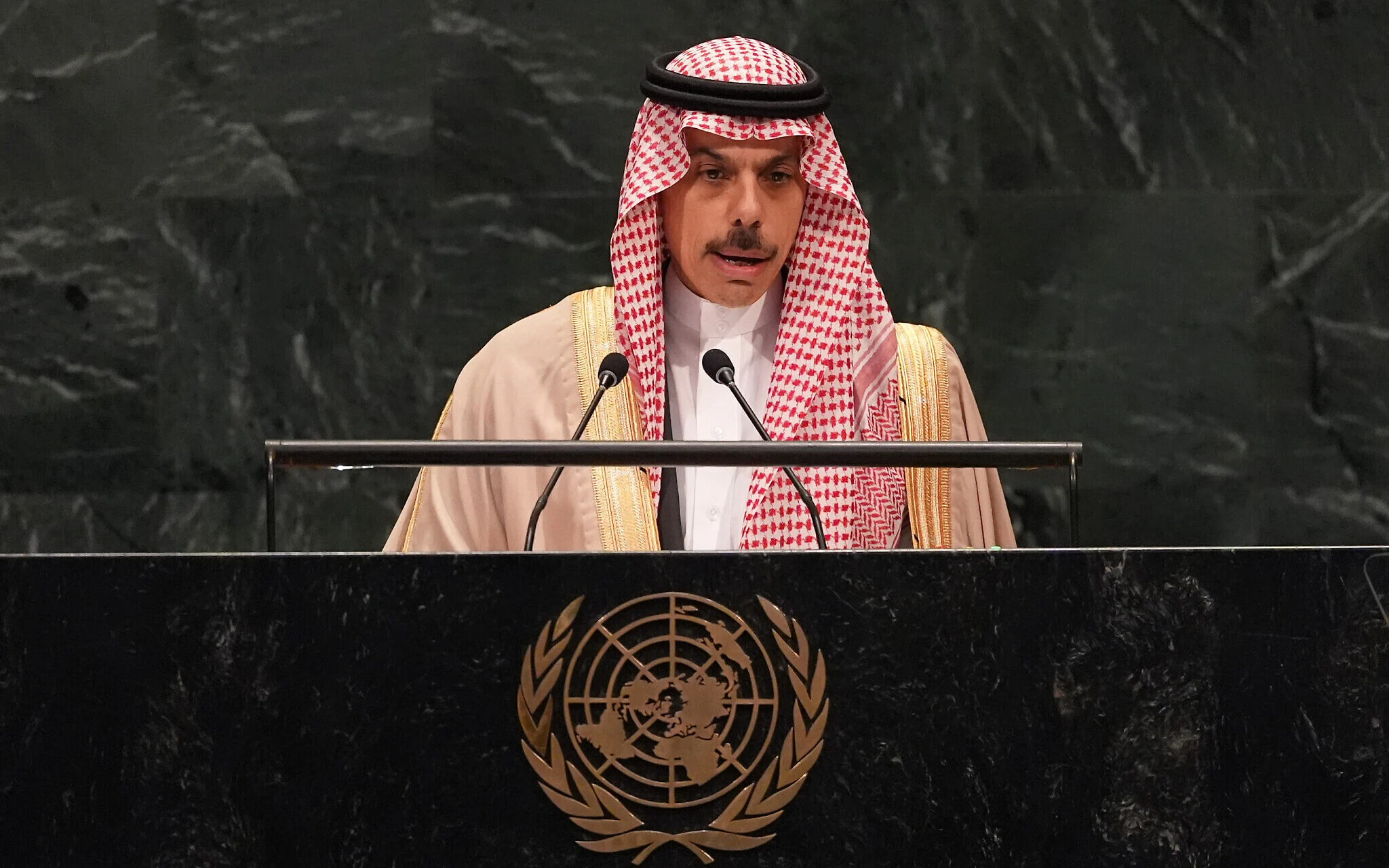
Saudi Foreign Minister Faisal bin Farhan urges restoration of normal conditions in the Strait of Hormuz, as Iran proposes a seven-day plan to reopen the key waterway amid continuing regional tensions.
United Nations, Sept 2026 : Saudi Foreign Minister Prince Faisal bin Farhan Al Saud has called for the restoration of normal conditions in the Strait of Hormuz to those prevailing before February 28, without the imposition of fees, restrictions or other barriers to navigation.
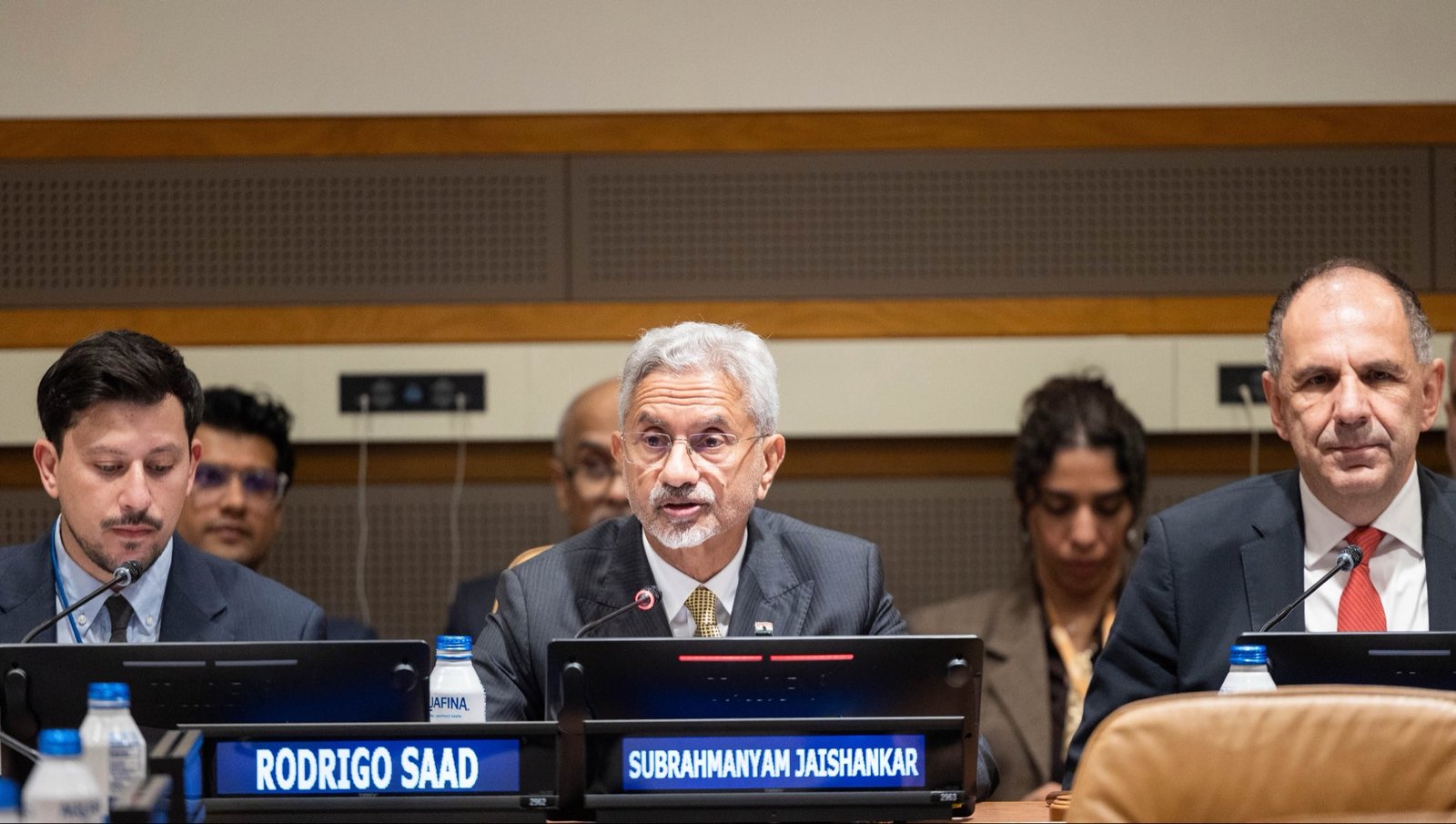
Addressing the general debate of the 81st session of the United Nations General Assembly, Faisal stressed the importance of protecting freedom of navigation across international waterways, particularly the Strait of Hormuz, Bab el-Mandeb Strait, Red Sea and Gulf of Aden.
He said these strategic waterways should not be used by any party as instruments of pressure, threats or actions that could harm the interests of other countries. Saudi Arabia, he said, considers the security of the Gulf an integral part of regional and global security.
Faisal also linked stability in the Gulf directly to global energy security, international trade and the continuity of global supply chains. He said Saudi Arabia supports efforts aimed at reducing regional tensions and called for ensuring that the Middle East remains free of weapons of mass destruction.
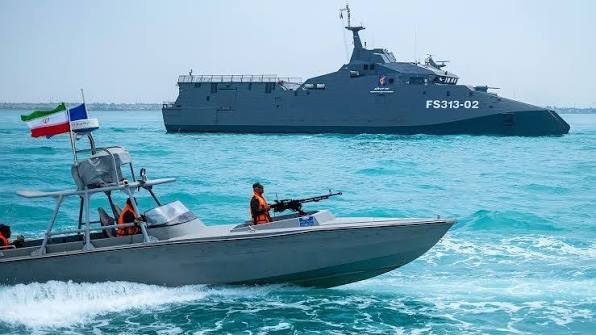
The remarks came against the backdrop of the conflict between the United States, Israel and Iran, which began with major US-Israeli military action against Iran on February 28. The subsequent Iranian retaliation and wider regional hostilities have disrupted maritime traffic through the Strait of Hormuz, a critical route for global energy shipments.
The disruption has also affected Saudi Arabia's ability to move oil to international markets, adding to concerns over energy supplies, shipping and global trade.
Meanwhile, Iranian Foreign Minister Abbas Araghchi said Tehran had conveyed to Washington, through Qatar, a "concrete" seven-day plan for reopening the Strait of Hormuz if certain conditions are met.
Araghchi said the seven-day timetable would begin once the United States accepts the proposal. Under the plan, Washington would first have to undertake several measures that Tehran believes could take four or five days. The strait could then be reopened on the sixth day, with talks on a final agreement beginning on the seventh day, he said.
Araghchi said the actions sought from the United States were not new and were already included in a memorandum of understanding reached between the two sides in June.
Iran's proposal has emerged as diplomatic efforts continue around the UN General Assembly. The reopening of the waterway remains a major concern for countries dependent on stable energy supplies and uninterrupted maritime trade.
Saudi Arabia's call for unrestricted navigation and Iran's proposal both underline the broader international stakes surrounding the Strait of Hormuz, where prolonged disruption could continue to affect energy markets, shipping routes and supply chains.