
New Delhi, Oct 2026 : Leader of the Opposition in the Lok Sabha and senior Congress leader Rahul Gandhi on Saturday launched a sharp political attack on Prime Minister Narendra Modi, accusing him and other prominent figures of undermining Indian democracy and jeopardising the future of the country's youth. Gandhi also named Union Home Minister Amit Shah, Rashtriya Swayamsevak Sangh (RSS) chief Mohan Bhagwat, National Security Adviser Ajit Doval and Chief Election Commissioner Gyanesh Kumar, asserting that they would be held accountable.
In a strongly worded message posted on social media platform X, Gandhi declared that he would not retreat from his political battle against what he described as efforts to weaken democratic institutions and constitutional values. His remarks came amid an escalating political confrontation over the Special Intensive Revision (SIR) of electoral rolls, opposition allegations of irregularities in the voter-list revision process and police action against protesters in Delhi.
Gandhi said he had been opposing the political approach of Prime Minister Modi and the RSS for more than a decade and claimed to understand the functioning of his political opponents. He asserted that the current struggle would continue and that those he accused of damaging the country's democratic framework would eventually face accountability.
The Congress leader's remarks represent his political allegations and warnings. His statement did not cite specific investigation reports, judicial findings or publicly detailed evidence establishing the allegations against the individuals named. Any determination of legal liability would have to be made through the appropriate constitutional and judicial processes.
Gandhi names five prominent figures
In his social media post, Gandhi directly targeted Modi, Shah and Bhagwat, while also naming Doval and Chief Election Commissioner Gyanesh Kumar. He accused them of contributing to a situation that, in his view, threatened democratic institutions and political accountability.
The Congress leader claimed that the political circumstances facing those he criticised were becoming increasingly difficult. He maintained that the opposition would continue questioning the government and raising concerns about the functioning of institutions responsible for safeguarding democracy.
Gandhi's decision to name senior political leaders, the RSS chief, the National Security Adviser and the head of the Election Commission brought the debate beyond the usual confrontation between the ruling BJP and the Congress. His remarks placed the functioning of constitutional institutions, the conduct of elections and the accountability of people holding positions of authority at the centre of the political dispute.
However, Gandhi did not provide a detailed public account of the information he claimed the opposition possessed to advance its campaign. The allegations and the political response to them are expected to remain subjects of debate as the controversy over electoral rolls continues.
Youth and democratic rights at the centre of his message
Gandhi placed particular emphasis on the future of young Indians, accusing the Prime Minister of pursuing a political course that could adversely affect their prospects. He appealed to students and young people to continue expressing their concerns through democratic means and offered his support to those participating in protests.
The Congress leader reiterated that his party would stand with young people seeking to exercise their democratic rights. He argued that the right to question the government and peacefully register dissent was an essential element of a functioning democracy.
Gandhi also reaffirmed his commitment to protecting the Constitution, saying the opposition would continue its political struggle regardless of the scale of the government's security arrangements or the detention of leaders and demonstrators.
He alleged that deploying large numbers of police personnel or taking protesters into custody would not bring the opposition's campaign to an end. He urged young people to remain engaged and assured them that he would continue to support their concerns.
The Congress leader also claimed that the opposition had the information necessary to take its campaign forward, although he did not publicly disclose the details in the statement.
Delhi protests over voter-list revision
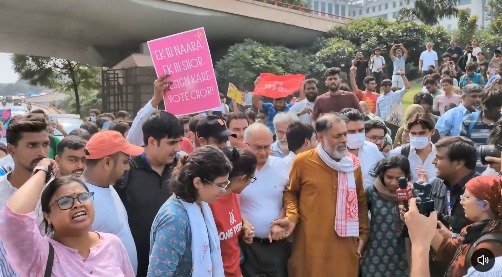
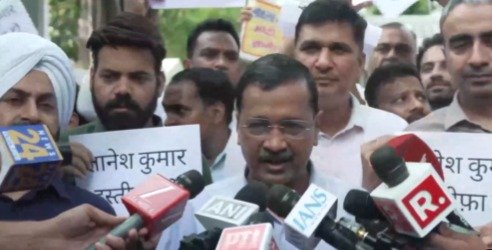
Gandhi's remarks came against the backdrop of protests in Delhi demanding the resignation of Chief Election Commissioner Gyanesh Kumar over alleged irregularities in the Special Intensive Revision of electoral rolls.
Opposition parties, including the Congress, have questioned the process, arguing that errors or irregularities could result in eligible voters being excluded from electoral rolls. They have called for greater transparency and accountability in the preparation and revision of voter lists.
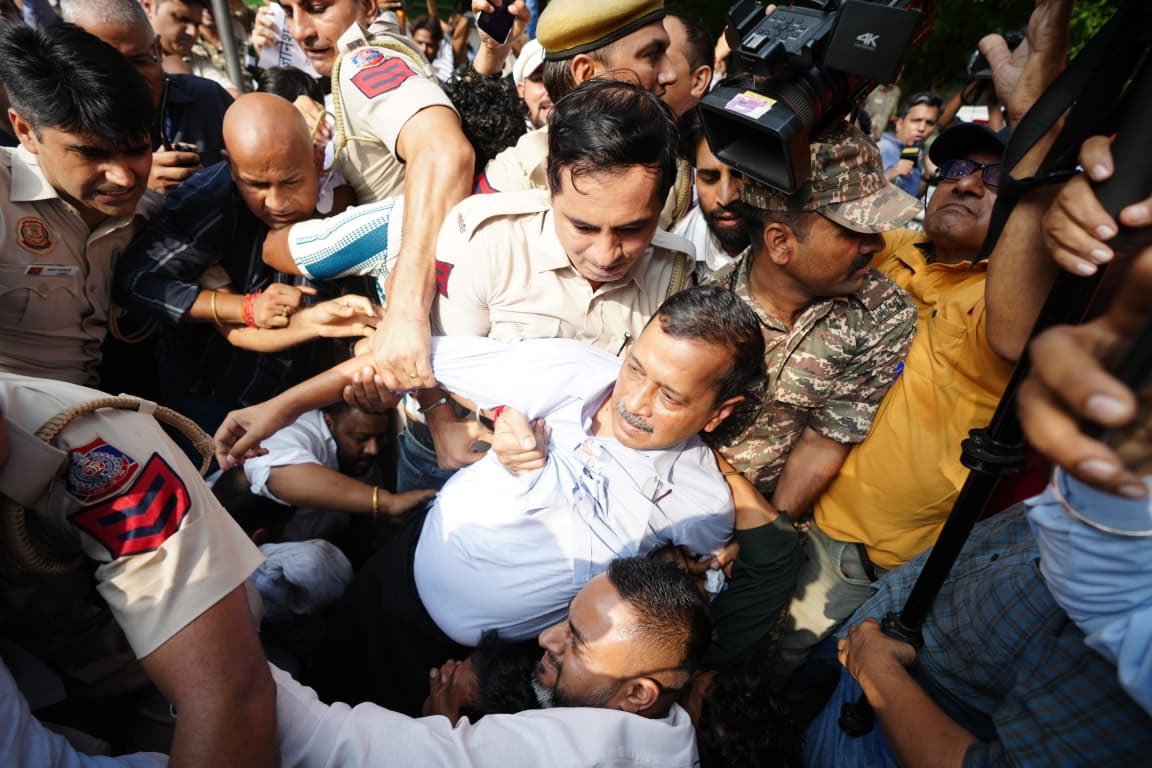
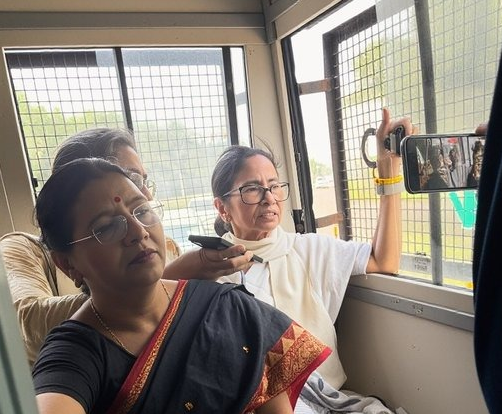
The demonstration in the national capital prompted extensive security arrangements. Police personnel were deployed at several locations, while people attempting to reach the protest venue were stopped at different points. According to officials, more than 1,000 protesters were detained in various parts of Delhi.
Authorities said the demonstration had not received the required permission. Opposition leaders and protesters, however, criticised the police action and alleged that restrictions were being used to suppress dissent.
The security measures also affected movement across parts of the capital. More than 30,000 police and paramilitary personnel were deployed, while Metro stations around Jantar Mantar were closed. Barricades, traffic restrictions and internet curbs were imposed in parts of central Delhi, disrupting normal activities.
The confrontation has intensified the wider debate over the balance between maintaining public order and protecting the right to peaceful protest.
Election Commission faces opposition criticism
The SIR exercise has become a major point of contention between opposition parties and the Election Commission. The opposition has raised concerns about the possible deletion of eligible voters' names and has questioned whether the revision process is sufficiently transparent.
The Election Commission, on the other hand, has maintained that electoral rolls are examined and updated under established rules and procedures. The dispute has placed voter eligibility, the accuracy of electoral rolls and public confidence in the election process at the forefront of political discussions.
Gandhi has previously questioned the role of Chief Election Commissioner Gyanesh Kumar. The Congress and other opposition parties have sought his resignation amid the controversy over the revision exercise.
In another social media post on Saturday, Gandhi suggested that a process of democratic reform would begin after changes in the leadership of the Election Commission and the present government. His statement was a political demand and did not represent any official decision to remove an office-holder.
The demand for the Chief Election Commissioner's resignation has added another dimension to the confrontation between the opposition and the ruling establishment, with both sides advancing sharply different positions on the conduct and credibility of the electoral process.
Gandhi criticises police action during Chennai programme
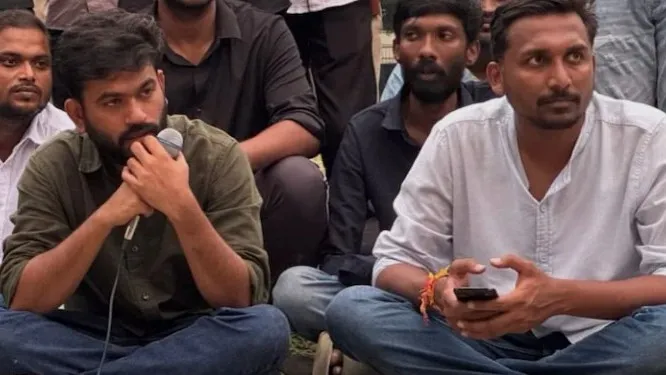
Apart from his social media statements, Gandhi attended the 'Students' Echo' programme in Chennai on Saturday, where he addressed issues concerning students and young people.
During the event, he criticised the police action against demonstrators in Delhi and alleged that the voices of young people seeking to protest peacefully were being suppressed. He urged students to remain aware of democratic principles and the importance of the Constitution.
His remarks in Chennai echoed the message conveyed in his online posts, linking the treatment of protesters with broader questions about civil liberties, political participation and the functioning of democratic institutions.
By addressing students and young people directly, Gandhi sought to underline the role of the younger generation in raising questions about governance and defending constitutional rights. His intervention also highlighted the growing prominence of youth participation in the political debate surrounding the SIR exercise.
Political confrontation likely to intensify
Gandhi's criticism of Modi, Shah, Bhagwat, Doval and Kumar has added to the already charged political atmosphere surrounding electoral reforms and the conduct of protests. By combining allegations of democratic backsliding with concerns about the future of young Indians, the Congress leader has made constitutional accountability a central theme of his latest political offensive.
The Congress is expected to continue pressing its objections to the SIR process and demanding accountability from the Election Commission. The controversy also raises wider questions about how concerns regarding voter-list revisions should be addressed and how authorities can maintain public order while protecting the right to peaceful dissent.
The allegations made by Gandhi remain political claims, and their validity must be assessed on the basis of verifiable evidence and the findings of the relevant institutions.
For now, the SIR exercise, the role of the Election Commission, demands for Gyanesh Kumar's resignation and the police response to protests remain key points of contention in national politics. Gandhi has made clear that his party intends to continue its campaign, with the defence of the Constitution, democratic institutions and the rights of young people forming the core of its message.