Iran offered to reopen the Strait of Hormuz and resume nuclear talks within a week, while Washington reportedly expects military action to resume after the US midterm elections
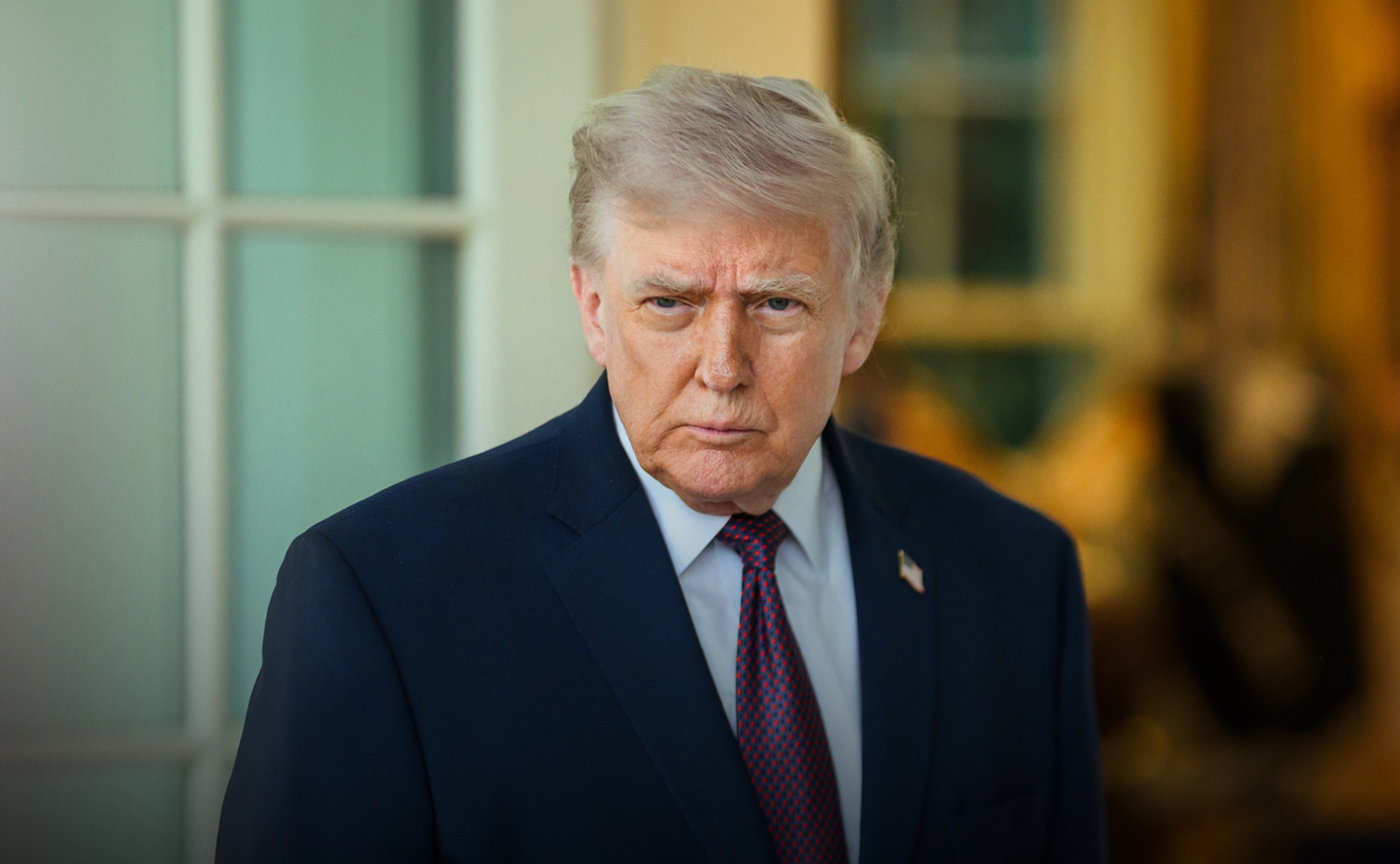
Washington, Sept 2026: US President Donald Trump has rejected an Iranian proposal for a seven-day ceasefire aimed at ending the ongoing conflict and reopening the strategically important Strait of Hormuz, The Wall Street Journal reported, citing US officials.
According to the report, Trump has told aides that he expects US bombing of Iran to resume after the November midterm elections. The reported decision comes amid renewed diplomatic efforts between Washington and Tehran, with Iran seeking a return to negotiations while the Trump administration continues to press for changes to Tehran’s nuclear programme.
The Wall Street Journal report said Iran’s proposal would have reopened the Strait of Hormuz and allowed nuclear negotiations to resume in return for the United States lifting its blockade of Iranian ports. Reuters, citing the same WSJ report, noted that it could not independently verify the information.
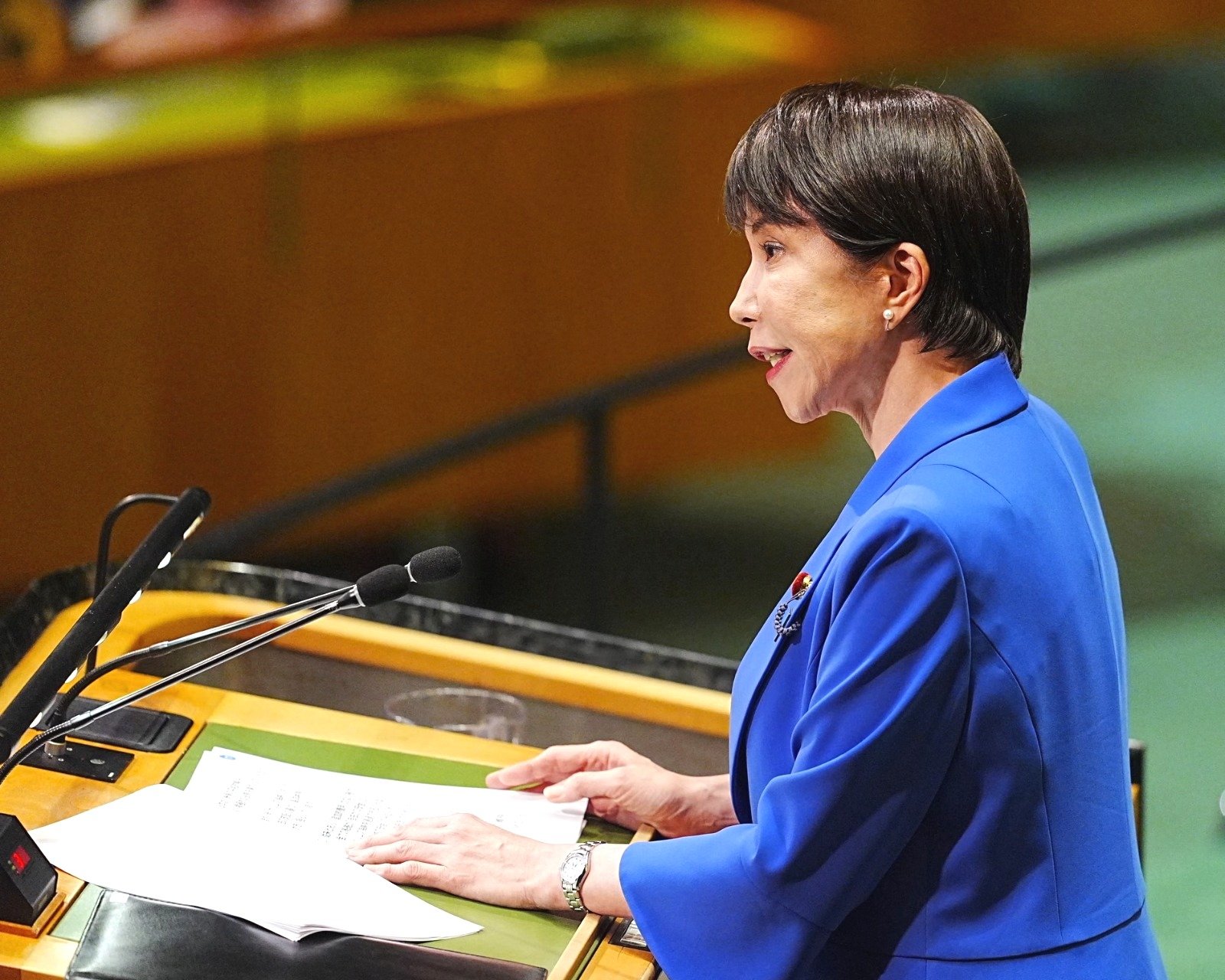
The development follows Trump’s address to the United Nations General Assembly earlier this week, in which he said he faced a choice between reaching an agreement with Iran and taking military action against the Islamic Republic.
Trump said he believed an agreement could eventually be reached and indicated that he expected Tehran to be more willing to negotiate after the US midterm elections.
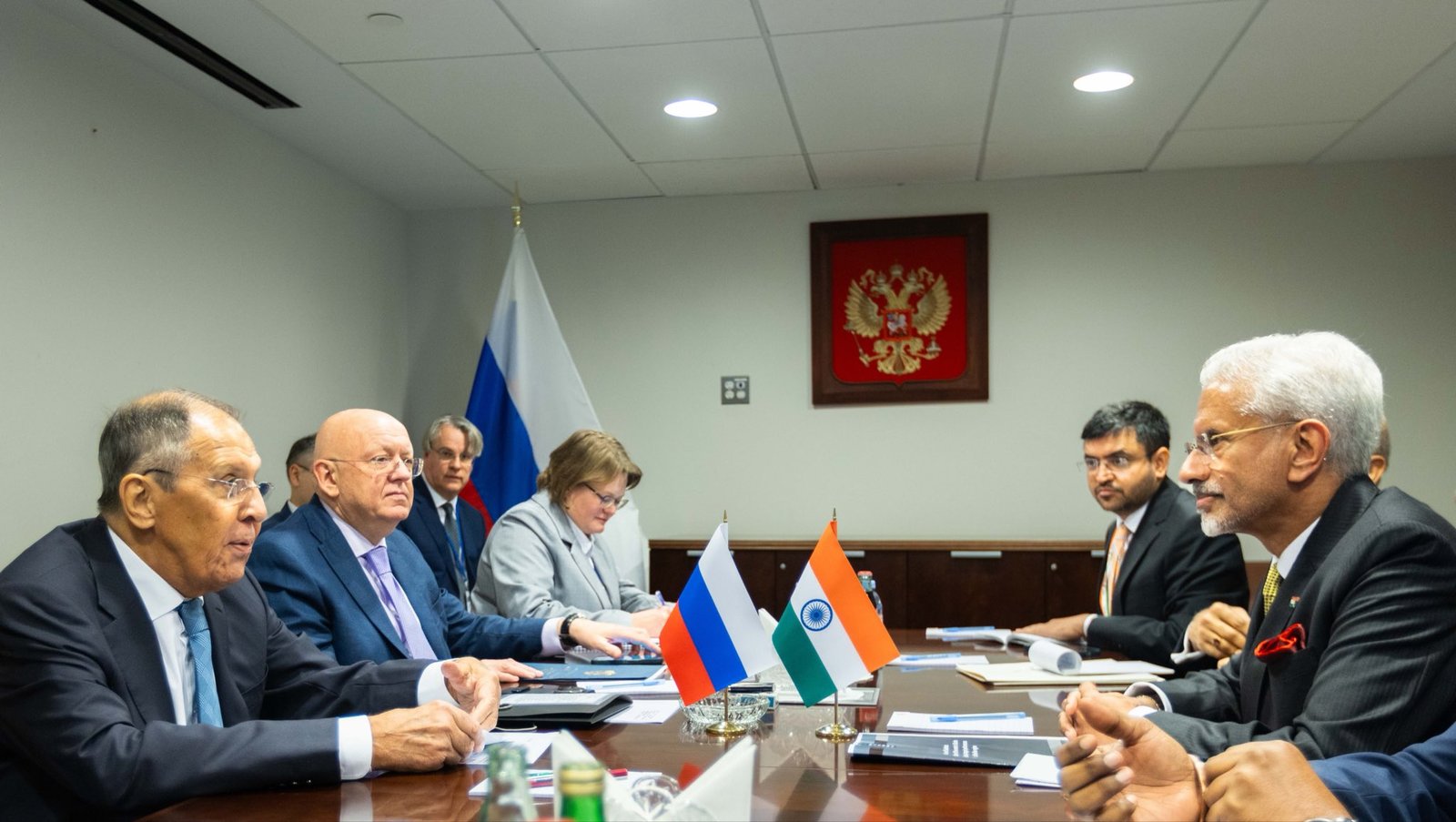
Iranian Foreign Minister Abbas Araghchi, meanwhile, said Tehran had presented Washington with a concrete seven-day roadmap aimed at ending hostilities and restoring maritime traffic through the Strait of Hormuz.
Speaking to reporters at the UN on Friday, Araghchi said Iran had conveyed the proposal through intermediaries. He said the plan would allow the Strait to be reopened and normal maritime passage restored within seven days if the necessary conditions were met.
Iran has also linked the proposal to a resumption of negotiations on its nuclear programme. The plan reportedly seeks to revive elements of a memorandum of understanding reached between Washington and Tehran earlier this year, although that understanding subsequently broke down amid renewed military confrontation.
Araghchi said reaching an agreement before the US midterm elections would be preferable. He has maintained that Tehran remains committed to diplomacy over its nuclear programme and has called for an end to what Iranian officials describe as US military pressure and intervention.
Iran’s proposal comes as the Strait of Hormuz remains central to the conflict. The narrow waterway is a major route for global energy shipments, and disruptions to maritime traffic have raised concerns over oil and gas supplies and international shipping. Iran has said it could restore normal passage if Washington meets conditions linked to the lifting of military and economic pressure.
Iranian President Masoud Pezeshkian has also expressed Tehran’s stated willingness to pursue negotiations. In an interview with Fox News, Pezeshkian said Iran had previously reached an understanding with the US and remained prepared to move forward through dialogue.
Pezeshkian attributed the failure of the earlier settlement to US actions and said Iran had not sought to permanently close the Strait of Hormuz. He reiterated that Tehran was prepared for negotiations if Washington was willing to pursue an agreement.
The diplomatic push comes after months of confrontation between the two countries. Iran has repeatedly called for a return to negotiations, while Trump has maintained that any future agreement must address Washington’s concerns over Iran’s nuclear capabilities.
The latest reported rejection of Tehran’s seven-day proposal highlights the gap between the two sides despite continuing communication through intermediaries. Iranian officials have indicated that they remain open to diplomacy, while the Trump administration has signalled that the timing and terms of any potential agreement remain unresolved.
With the US midterm elections approaching in November, the reported disagreement over the seven-day plan leaves the future course of the conflict and negotiations uncertain.
(Disclaimer :The content of this article is sourced from a news agency and has not been edited by the Mavericknews30 team.)