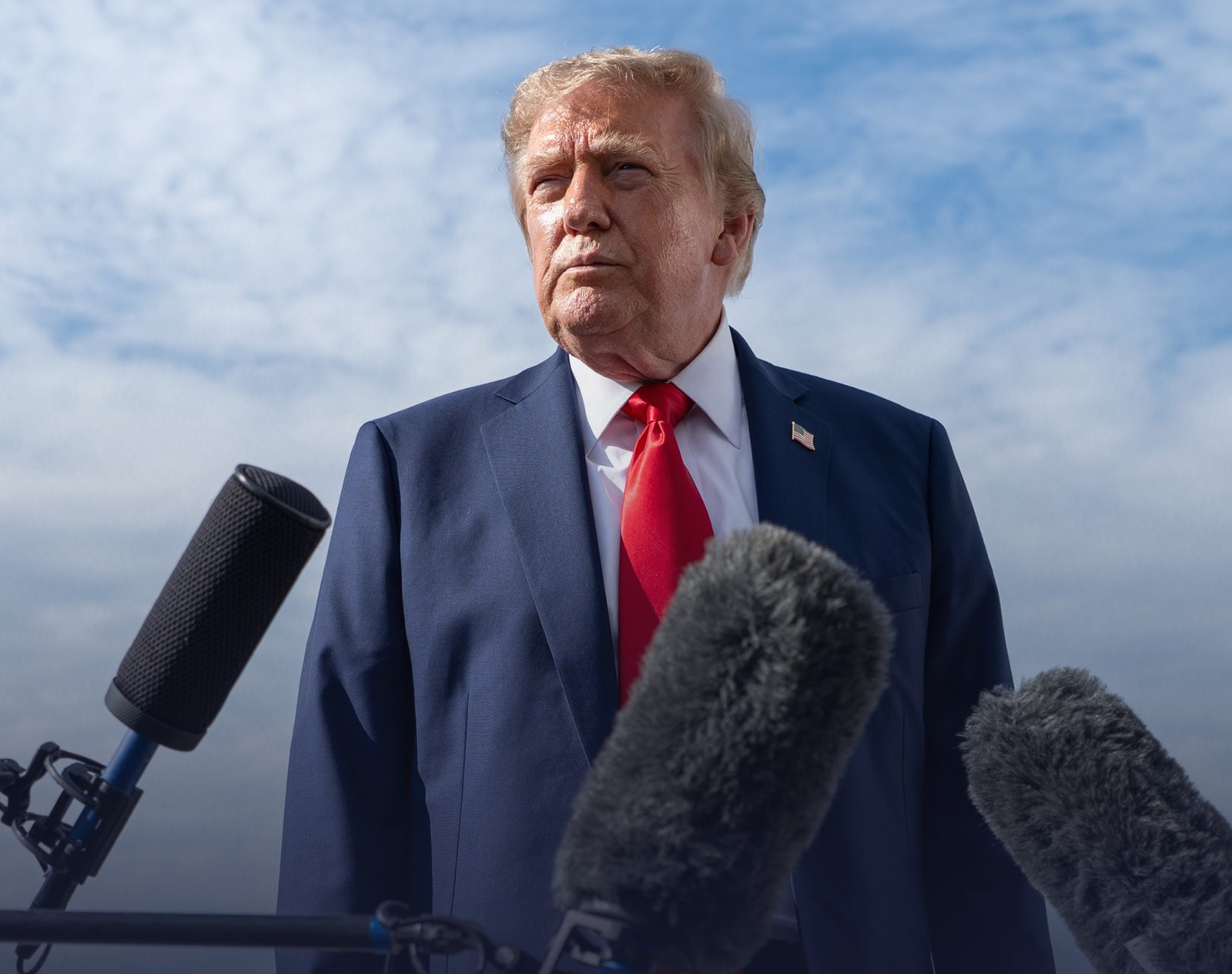
Washington, Oct 2026 : US President Donald Trump has directed his administration to initiate or continue trade negotiations with trading partners over imports of robotics, industrial machinery and related components, citing concerns about national security and America's dependence on foreign suppliers.
The directive, announced on Wednesday local time, instructs the US Secretary of Commerce and the United States Trade Representative (USTR) to jointly conduct the negotiations and report on their progress within 180 days. While the move signals a potential shift in US trade policy towards advanced manufacturing equipment, it does not immediately impose any new tariffs or specify duties on the products concerned.
Trump has accepted the Commerce Secretary's findings that the volume and circumstances of imports of robotics, industrial machinery and their components could threaten US national security. According to the announcement, the secretary submitted an investigative report within the preceding 90 days.
The President said he could consider alternative measures depending on the status and outcome of the negotiations. These options include imposing or adjusting tariffs, duties, quotas and fees on imports covered by the directive.
Trump has also indicated the possibility of establishing a programme to encourage investment in domestic production of robotics, industrial machinery and related components. However, the announcement did not specify the scale of such a programme, announce any new investment commitments or confirm that a separate initiative had been formally launched.
No immediate tariffs or country-specific restrictions
The directive leaves the selection of trading partners for negotiations to the Commerce Secretary and the US Trade Representative. It does not specifically mention India or announce any country-specific exemptions, restrictions or trade agreements.
Officials are required to keep Trump informed about the progress and outcome of the negotiations, including at least one update within the 180-day period. The deadline does not automatically trigger tariffs or other trade restrictions. Any subsequent action would depend on the administration's assessment of the negotiations and its decision on possible alternative measures.
The Commerce Department will also continue monitoring imports and reviewing their implications for national security. The secretary has been instructed to alert the President to developments that could warrant additional action.
The announcement reflects Washington's growing emphasis on securing supply chains for strategically important industrial technologies, particularly those that support advanced manufacturing and defence production.
National security and military applications
The administration's concerns extend beyond economic competitiveness to the potential military applications of advanced robotics and automated manufacturing systems.
The directive highlights the use of advanced robots in military operations, including reconnaissance and surveillance, the evacuation of wounded personnel, and the detection and removal of landmines.
Automated manufacturing systems are also considered important for defence preparedness because they can help manufacturers increase production capacity, particularly during wars or other armed conflicts.
The administration's position is that excessive dependence on foreign suppliers for these technologies could leave critical US manufacturing and defence capabilities vulnerable to supply disruptions or other external risks.
Foreign dependence and cybersecurity concerns
The Commerce Secretary found that the United States relies on foreign suppliers for most categories of robotics, industrial machinery and associated components. The value of imports in these sectors has increased over the past decade and is expected to continue rising, according to the findings summarised in the announcement.
The investigation also identified potential cybersecurity risks associated with equipment supplied by certain foreign entities.
According to the administration's assessment, imported machinery could be integrated into manufacturing facilities and defence systems that process or store sensitive information. This creates concerns about the security of equipment used in strategically important industrial environments.
The report further noted that domestic production has remained below US consumption despite increased investment in American manufacturing facilities. Existing production capacity was assessed as insufficient to meet national security requirements.
The announcement also pointed to underutilised manufacturing capacity within the sector, suggesting that additional investment and stronger domestic production could help reduce dependence on overseas suppliers.
Push to strengthen American manufacturing
A separate White House fact sheet presented the trade negotiations as part of a broader effort to strengthen domestic manufacturing and reduce reliance on imported industrial equipment.
The proposed approach combines negotiations with trading partners and the possibility of future trade restrictions. By keeping tariffs, quotas and other measures under consideration, the administration has retained flexibility to respond if negotiations fail to address its concerns.
However, neither the presidential directive nor the accompanying White House statement announced a completed trade agreement or quantified new investments resulting from Wednesday's action.
For India and other US trading partners, the immediate implications remain uncertain because no country-specific measures have been announced. The potential impact will depend on which countries are included in the negotiations and whether the administration subsequently introduces tariffs or other restrictions.
The next 180 days will therefore be important in determining whether the initiative results in negotiated arrangements, fresh investment incentives or additional import controls affecting the global robotics and industrial machinery supply chain.
(Disclaimer :The content of this article is sourced from a news agency and has not been edited by the Mavericknews30 team.)